Overview of Economic Events and Corporate Reports for Saturday, 25 July 2026: Empty Macroeconomic Calendar, Weekly Results for S&P 500, Euro Stoxx 50, Nikkei 225 and MOEX, Central Bank of Russia Cuts Key Rate to 14%, New Tariff Round in the US and Market Preparations for the Fed's Decision and Big Tech Earnings
Saturday, 25 July 2026, arrives on global markets after one of the most nerve-wracking weeks of the second half of the year. There are no economic publications scheduled for the day: US, European, Asian and Russian exchanges are closed, no official statistics are released, and corporate reports from major public companies do not coincide with the weekend. However, such a pause allows investors to assemble the disparate signals from the week into a coherent picture. Over the five trading days, markets received the ECB's decision, the cut in the Central Bank of Russia's key rate, a spike in Brent oil above $100 per barrel, a new round of US import tariffs, and the first wave of disappointments regarding artificial intelligence. The economic events and corporate reports of 25 July 2026 should be viewed as a day of risk reassessment ahead of the Fed meeting and the earnings reports from the largest tech companies.
Macroeconomic Calendar: Why Markets Are Silent on 25 July
The global economic calendar for Saturday is empty across all key jurisdictions.
- USA: No publications from the Bureau of Economic Analysis, BLS, or regional Federal Reserve Banks are scheduled. The market is digesting the preliminary PMI for July, which indicated the fastest growth in business activity in eight months, alongside a drop in initial jobless claims to a 57-year low.
- Eurozone: Following the ECB meeting and the preliminary PMIs from Germany, the Eurozone, and the UK, there are no statistics available. Inflation in the bloc remains around 2.8%, compared to the target rate of 2%.
- Asia: Japan, China, and India are not publishing any releases. Focus is shifting towards Chinese PMIs and the Bank of Japan's decision, expected at the end of next week.
- Russia: Rosstat and the Central Bank of Russia are not conducting any publications. The weekly inflation rate for 14–20 July stood at 0.17%, matching the result of the previous week.
Weekly Results: S&P 500, Euro Stoxx 50, Nikkei 225 and MOEX
The week ended with a second consecutive decline in the US market. On Thursday, the S&P 500 lost 1.21% and closed at 7,408.30 points — its worst day in more than a month. The Nasdaq Composite dropped by 2.15% to 25,137.69 points, while the Dow Jones Industrial Average fell by 0.97% to 51,711.65 points. On Friday, the indices partially recouped losses amidst declining oil prices, but the weekly tally remained negative. The total market capitalisation of the "magnificent seven" shrank by nearly $800 billion in just one Thursday.
European indices moved in sync with Wall Street: Euro Stoxx 50 fell by 1.69% on Thursday, DAX by 1.56%, CAC 40 by 1.64%, and FTSE 100 by 0.73%. The Nikkei 225 managed to stay in positive territory thanks to a weak yen and a robust export sector. The MOEX index fell below 2,100 points on Friday morning ahead of the Central Bank of Russia's decision, but after the meeting's outcomes were published, it turned upwards.
Oil and Geopolitics: Brent Surpasses $100 and Retraces to $95
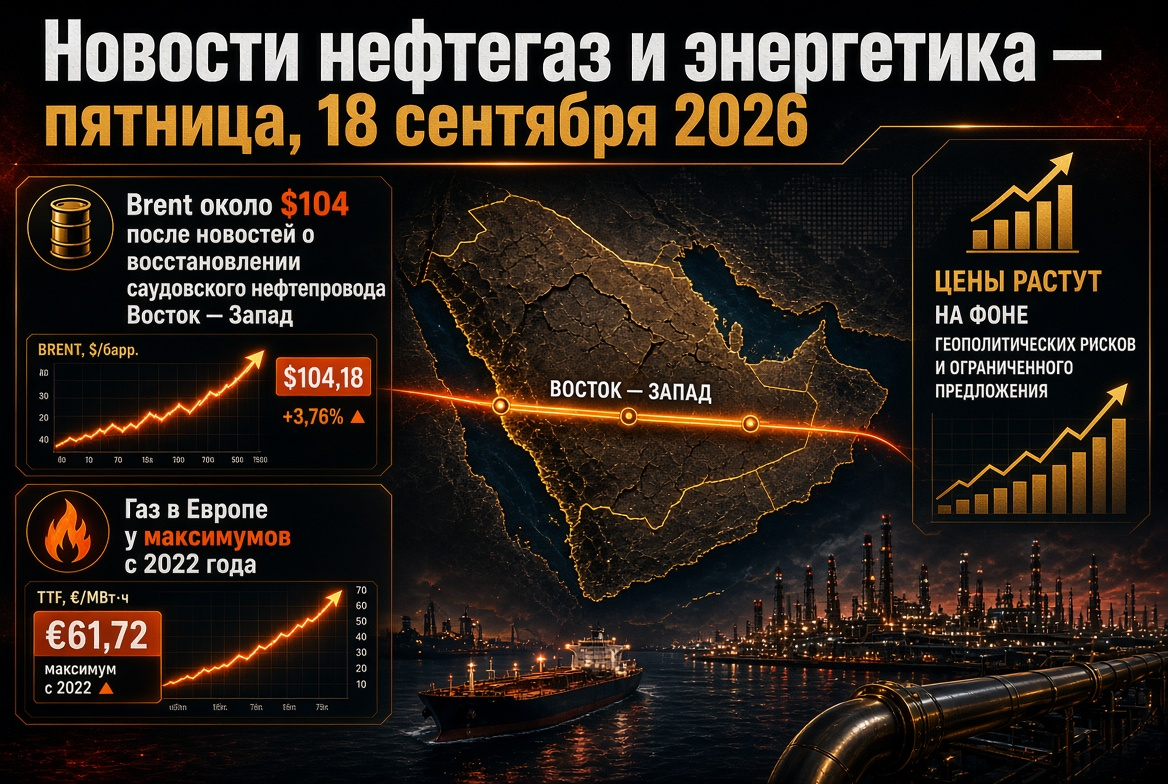
The primary source of volatility this week stemmed from the energy market. Following statements from Yemeni Houthis regarding attacks on two Saudi tankers in the Red Sea, Brent crude exceeded $100 a barrel for the first time since late May. The yield on ten-year US Treasury bonds briefly surpassed 4.7% — a peak not seen since the start of the year. On Friday, prices reversed: Brent lost about 5% and dropped below $95 on reports of a potential resumption of negotiations between Washington and Tehran, mediated by third parties. Nevertheless, by the end of the week, oil finished in positive territory, and the geopolitical risk premium in its price remains substantial.
New US Tariffs: 10–12.5% for 60 Trading Partners
At 12:01 Eastern Time on 24 July, a new tariff regime came into effect in the US. The administration imposed additional tariffs of 10% and 12.5% on goods from 60 of the largest trading partners, including the EU, China, and India, following an investigation under Section 301 of the Trade Act of 1974. This measure covers about 99.4% of US imports and replaces the expired temporary 10% global tariff. A number of energy products have been excluded from tariffs. For investors, this signifies a new structural cost factor for importers, retail, and industrial supply chains — along with an additional inflationary risk for the Fed.
Corporate Reports of the Week: American Companies in the S&P 500
The second quarter earnings season for 2026 has passed its midpoint. Of the first 95 companies reporting within the S&P 500 index, approximately 88% surpassed consensus earnings estimates with a median beat of about 7%. However, the market's reaction to the results has been asymmetrical: it punished increases in capital spending more severely than it rewarded earnings growth.
Technology and Artificial Intelligence
- Alphabet (GOOGL) — revenue increased by 24% to $119.8 billion, with earnings of $9.11 per share and Google Cloud revenue rising by 82%. However, a doubling of the capital expenditure forecast to $205 billion caused the shares to plummet by over 7%.
- Tesla (TSLA) — revenue rose by 26% to $28.2 billion, but earnings per share dropped by 18% to $0.33, with free cash flow turning negative at $1.1 billion. The stock lost around 14%.
- Intel (INTC), Texas Instruments (TXN), IBM, and ServiceNow (NOW) reported amidst a general correction in the semiconductor sector.
Finance, Consumer and Telecom
- American Express (AXP), Verizon (VZ), and NextEra Energy (NEE) exceeded profit expectations on Friday but fell short on revenue.
- Capital One (COF), Charles Schwab (SCHW), Blackstone (BX), Chubb (CB), and Comcast (CMCSA) contributed to the overall picture of the financial and media sectors.
Industrials, Energy and Transport
- General Motors (GM), 3M (MMM), Honeywell (HON), RTX, Lockheed Martin (LMT), and Northrop Grumman (NOC) reflected the resilience of the defence cycle.
- Union Pacific (UNP), Norfolk Southern (NSC), CSX, and Canadian National Railway (CNI) provided insights into the industrial activity in North America.
- SLB, Halliburton (HAL), Freeport-McMoRan (FCX), and Newmont (NEM) are indicators of the raw material cycle.
Europe and Asia: SAP, STMicroelectronics and Shin-Etsu Chemical
Companies from the Euro Stoxx 50 and the European region included SAP SE, STMicroelectronics (STM), and Rogers Communications in their reports. The Asian bloc was represented by Japanese chemical giant Shin-Etsu Chemical, part of the Nikkei 225 and serving as a leading indicator for the semiconductor supply chain. The overall conclusion for the week for the Old World: the industrial sector continues to lag behind the services sector, while energy costs remain the main risk to the margins of European exporters.
Russian Market: Key Rate at 14% and Reporting by MOEX Issuers
The Board of Directors of the Central Bank of Russia on 24 July reduced the key rate by 25 basis points to 14.00% per annum — the fourth easing since the beginning of the year. The updated medium-term forecast suggests an average key rate in the range of 14.5–14.6% in 2026 and 10.5–12.5% in 2027. The regulator noted moderate economic growth in the second quarter and linked summer price acceleration primarily to one-off factors, while also indicating a rise in inflation expectations. A summary of the discussions will be published on 5 August, with the next meeting scheduled for 11 September.
The market reaction was positive: after an initial dip below 2,100 points, the MOEX index reversed upwards. The exchange rate of the dollar set by the Central Bank of Russia from 24 July was 78.4049 rubles. Among the corporate news of the week, notable mentions include a decline in net income for "NOVATEK" under IFRS for the first half of the year to 218.6 billion rubles, mixed reports from "Rusagro" for the second quarter with a dividend recommendation of 16.48 rubles per share, and the inclusion of "Yandex" shares in the MOEX's value creation index starting from 30 July.
Next Week's Calendar: Fed, Bank of England, Bank of Japan and Big Tech
- Tuesday, 28 July — Conference Board Consumer Confidence Index in the US.
- Wednesday, 29 July — Inflation in Australia; the Fed's rate decision (current range 3.50–3.75%) and press conference of Fed Chair Kevin Warsh. The meeting will take place without updates to the macro forecasts or dot plot, so all focus will be on the wording of the statement. Reports from Microsoft (MSFT) and Meta Platforms (META).
- Thursday, 30 July — GDP in Germany and the Eurozone, the Bank of England's decision, inflation in Germany, US GDP for the second quarter and PCE deflator, consumer inflation in Japan. Reports from Apple (AAPL) and Amazon (AMZN).
- Friday, 31 July — China PMIs, the Bank of Japan's decision (current rate 0.50%) and preliminary Eurozone inflation.
Investor Focus Points
- Link between "oil — yields — Fed." The rise of Brent above $100, coupled with record low jobless claims, has shifted market expectations towards tightening Fed policy. For investors, this signifies a risk of re-evaluation for long bonds and growth companies.
- Capital expenditures as a new assessment criterion. The market's reaction to Alphabet's report indicated a shift from rewarding scale in AI investments to demanding proof of returns. Reports from Microsoft, Meta, Apple, and Amazon will serve as a crucial test of this thesis.
- The tariff factor. The 10–12.5% tariffs on 99.4% of US imports necessitate a reconsideration of margin models for retail, consumer goods, and industrial importers.
- Russian assets. A 14% rate and projection of an average rate of 10.5–12.5% for 2027 support long OFZs and highly leveraged issuers — developers, retail, and transport. A restraining factor is the seasonality of dividend cutoffs and weak index dynamics since early July.
- Seasonality. August marks the beginning of the historically weakest three-month period for the US stock market, reinforcing arguments for reducing leverage and checking hedging positions ahead of Monday's trading open.
Saturday, 25 July 2026, may be a day without quotations, but it is not without conclusions. The global market environment enters the last week of the month with three simultaneous sources of risk: the geopolitical premium in oil, the tariff restructuring of trade flows, and the re-evaluation of the economics of artificial intelligence. Investors are advised to use this pause for scenario planning across each of these areas and to define reaction levels in advance — before the Fed's decision and the earnings reports from Big Tech set the tone for markets in August.