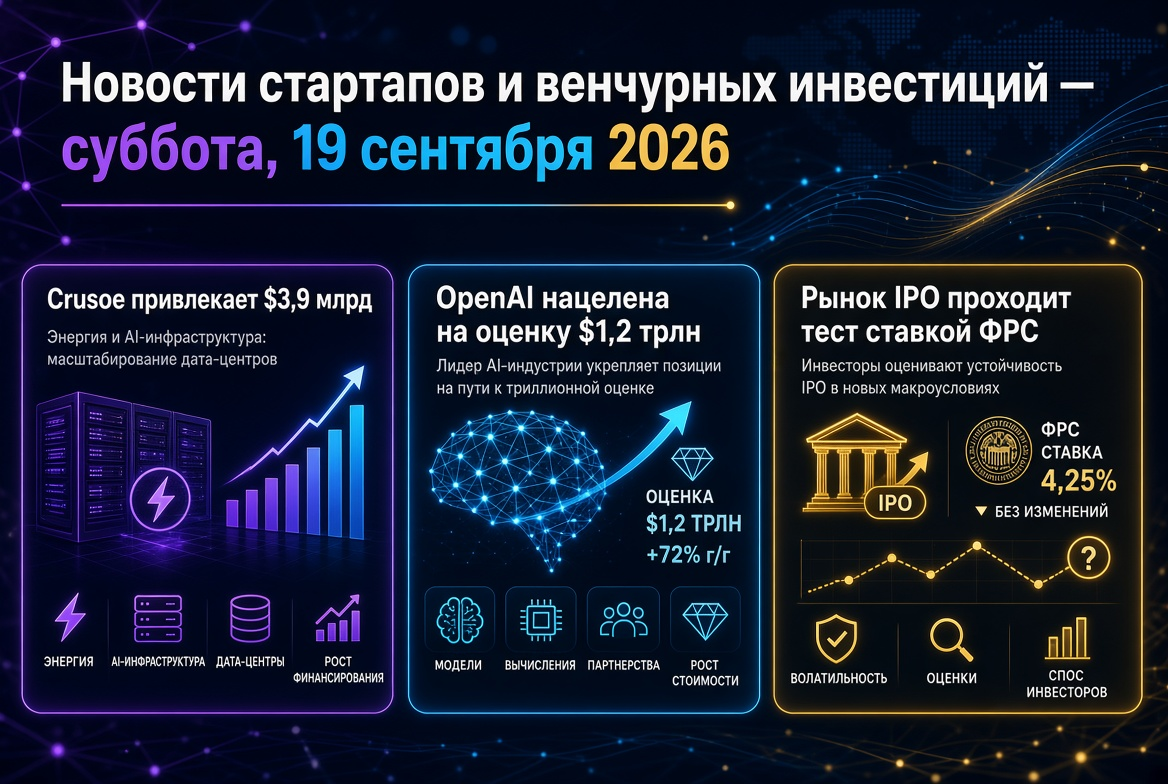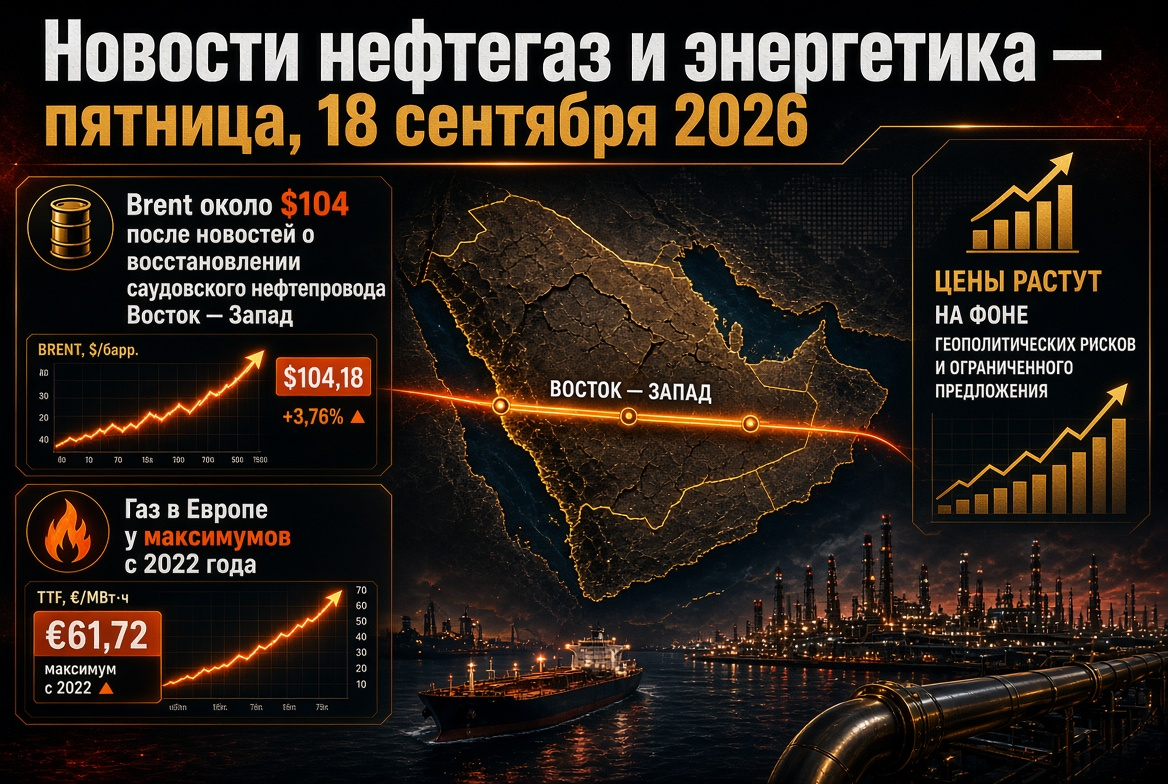
Analytical Overview of Economic Events and Corporate Reports for Saturday, 6 December 2025: US Inflation Slowdown, Rate Cuts in India, and Diplomatic Negotiation Outcomes
The first Saturday of December 2025 brings a relative calm to global markets for investors following a week filled with events. Stock exchanges worldwide are closed for the weekend, allowing market participants to assess the impact of recent macroeconomic data and corporate news. The day's key themes include fresh signals of inflation moderation and changes in monetary policy (key indicators from the US and an unexpected decision in India), as well as the outcomes of crucial high-level diplomatic interactions. In this context, investors from Russia and the CIS countries are concentrating on external factors and global indicators, particularly given the lack of new corporate reporting on Saturday.
For global equity markets—from Wall Street to European exchanges and Asian platforms (indices S&P 500, DAX, FTSE 100, Nikkei 225), as well as the Russian MOEX index—the past week has been favourable. American indices continued to rally on hopes of an upcoming easing of the Federal Reserve's monetary policy following a series of moderate inflation data. In Europe, the unexpected improvement in GDP estimates for the Eurozone in the third quarter boosted sentiment in German and British markets. In Asia, major markets traded sideways without sharp movements, relying on external signals due to a lack of local drivers. The Russian MOEX index initially faced pressure from the significant strengthening of the rouble and rising domestic inflation; however, it recovered losses by the end of the week, surpassing the 2700-point level amid news of a potential de-escalation in the geopolitical situation.
Macroeconomics and Rates: Inflation Slowdown and Policy Easing
Investors are focused on the latest inflation data and central bank decisions. In the US, the October PCE (Personal Consumption Expenditures) price index, a key inflation measure for the Federal Reserve, confirmed a slowdown in price growth: the core PCE approached an annual rate of approximately 2.8–2.9%, the lowest level in several years. The slowdown in US inflation reinforces expectations that the Federal Reserve will soon move to lower interest rates. Futures are already pricing in a high likelihood of the first rate cut at the upcoming Fed meeting in December.
In the Eurozone, the final GDP estimate for the third quarter was slightly above expectations (+0.3% quarter-on-quarter and +1.4% year-on-year), slightly alleviating recession concerns. However, inflation in the region still exceeds the ECB's target level, leading the market to expect that the regulator will pause rate hikes while awaiting further data.
A surprising news development this week was the Reserve Bank of India's decision to cut its key interest rate. At the meeting on 5 December, the RBI lowered the repo rate by 25 basis points to 5.25% per annum. This marks the first easing of monetary policy in India for quite some time, made possible by the slowdown in inflation in the country. Concurrently, the Indian regulator improved its economic growth forecast and lowered its inflation outlook for the 2026 fiscal year to around 2%. The RBI's decision reflects a broader global trend: as price pressures subside, central banks in emerging markets are beginning to shift towards rate cuts to support their economies.
GeopPolitics: Peace Negotiations and Strengthening Partnerships
The geopolitical agenda continues to have a significant impact on investor sentiment. Last week saw crucial diplomatic meetings take place. Russian President Vladimir Putin concluded a state visit to India (4–5 December), following which Moscow and Delhi reaffirmed their commitment to deepening trade and economic cooperation. The leaders of the two countries agreed to expand settlements in national currencies and develop joint projects in energy, infrastructure, and defence. The outcomes of this visit indicate the strengthening of strategic partnerships between two major emerging economies, potentially opening new opportunities for businesses in both nations.
Simultaneously, efforts were undertaken to reduce international tensions. Early in the week, lengthy negotiations took place in Moscow between US special representative Steve Whitkoff and Vladimir Putin (with Jared Kushner's participation). The meeting focused on discussing ways to resolve the conflict in Ukraine. Although no concrete breakthroughs were announced, the very fact of direct dialogue between high-ranking representatives of the US and Russia instils cautious optimism in the markets. Any signs of potential progress in peace negotiations are perceived positively by investors.
Additionally, this week, market attention was drawn to French President Emmanuel Macron's visit to China. Discussions in Beijing on 4–5 December aimed to expand business ties (in the aerospace sector, energy, and other areas). Investors view the strengthening of EU-China dialogue positively, despite ongoing strategic disagreements between the leading powers.
Corporate Reports from the United States
The American corporate calendar is virtually empty over the weekend: no new financial reports are scheduled for Saturday, 6 December. This is expected, as large publicly traded companies within the S&P 500 mostly release quarterly results during the weekdays. The main reporting season for the third quarter in the US has already concluded, meaning there are no regular profit releases from leading companies on Saturday.
Corporate Reports from Europe
European stock markets are similarly not expecting new corporate publications on Saturday. Most leading issuers in the region (including companies from the Euro Stoxx 50, as well as those included in the DAX and FTSE 100 indices) have already disclosed results earlier, releasing their financial reports only during the weekdays. Therefore, on 6 December, the corporate news backdrop in Europe is anticipated to be neutral.
Corporate Reports from Asia
The Asia-Pacific region is also devoid of significant corporate events on Saturday. In the largest Asian economies, the quarterly reporting season for July to September is nearly complete, and no new financial results from corporations are expected on 6 December. Regional market participants are shifting their attention to external factors—exchange rates, commodity prices, geopolitical news—due to the lack of local drivers.
Corporate Reports from Russia
The Russian stock market is not expecting new reports from major publicly traded companies on Saturday. The main wave of results for the first nine months of 2025 concluded in November, and companies generally do not disclose reports on weekends. Thus, 6 December on the Moscow Exchange will not foresee any corporate surprises, and investors are primarily orienting themselves towards external signals (oil market conditions, rouble exchange rates, and global news).
Key Focus Areas for Investors
- Monetary Policy of Leading Central Banks: Markets are watching for signals from the US Federal Reserve and ECB in light of new inflation data. The slowdown in price growth heightens expectations for imminent rate cuts, so any comments from regulators could significantly impact global sentiment.
- Consumer Demand and Retail Sales: Attention is on the outcomes of the holiday sales season. Initial estimates from “Black Friday” and “Cyber Monday” indicated record online sales (5–7% above last year). If the trend of high consumer demand continues into December, this will support shares in retail and e-commerce technology firms. Conversely, weak consumer activity may lead investors to become more cautious in assessing corporate profit prospects.
- Geopolitical Events: Investors continue to monitor negotiations regarding Ukraine and international visits from leaders. Any progression towards conflict resolution or new agreements between nations could reduce geopolitical risk premiums in the markets, while escalated rhetoric would have the opposite effect.
- Inflation and Policy in Russia: In the coming days, inflation data for November in the Russian Federation is expected to be published; an accelerating rise in prices (0.5% for the week of 26 November – 2 December) increases the likelihood of a further rate hike by the Bank of Russia on 20 December. Expectations regarding the key rate and the rhetoric from the Central Bank will influence the bond market, banking sector, and rouble exchange rate.