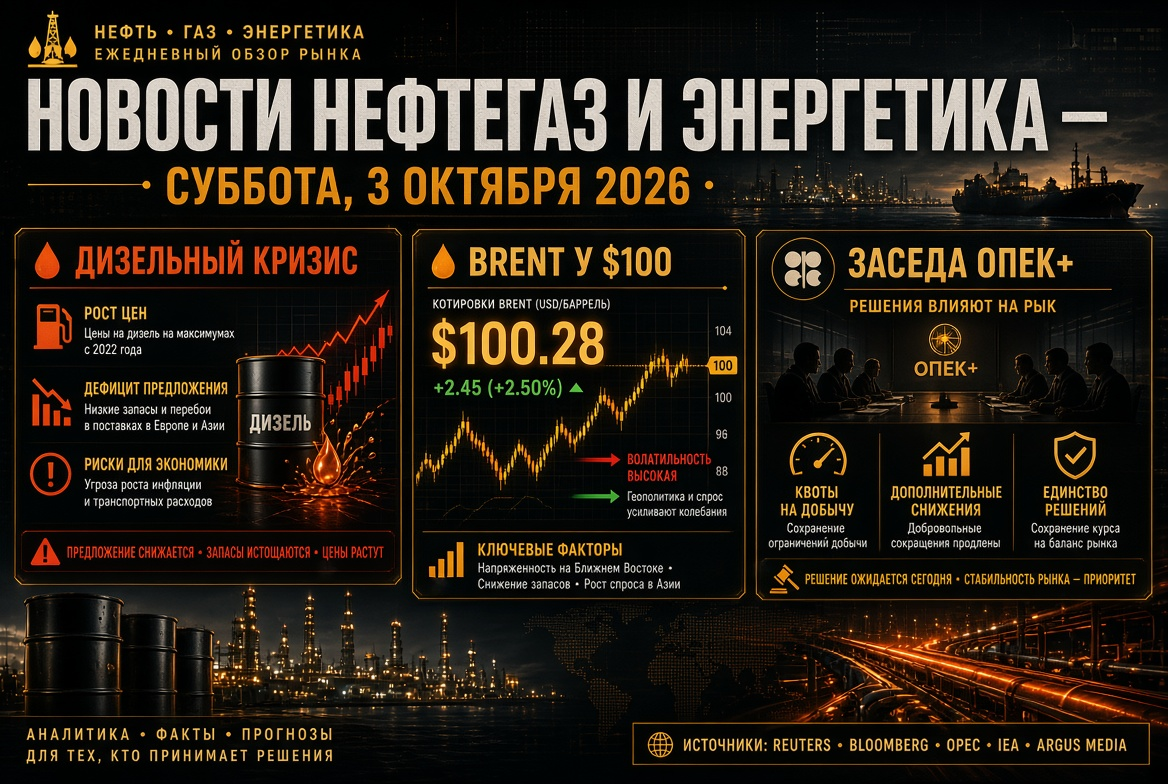
Comprehensive Overview of Economic Events and Corporate Reports for 11 March 2026: U.S. Inflation, Oil Market, U.S. Federal Budget, and Results from Major Public Companies in the U.S., Europe, Asia, and Russia
Wednesday, 11 March 2026, is shaping up to be one of the most significant trading days of the week for global markets. Investors will focus on four key drivers: U.S. consumer inflation for February, the monthly OPEC report on the oil market, weekly EIA statistics on U.S. oil inventories, and data regarding the U.S. federal budget. This combination of macroeconomic factors, energy statistics, and fiscal data makes the day impactful across the currency market, commodity assets, bonds, and equities.
On the corporate side, attention will shift towards European firms, with earnings results and presentations expected from several major public issuers. For investors, this means a day in which macroeconomics will dictate index movements, while corporate reporting will influence capital reallocation among sectors. It is particularly crucial to assess the reaction of the S&P 500, Euro Stoxx 50, Nikkei 225, and MOEX in a coherent framework: U.S. inflation affects yields and the dollar; oil impacts commodity and energy stocks; and company reports influence the relative attractiveness of various markets and industries.
Calendar of Key Economic Events (MSK)
- 14:00 — Monthly OPEC report on the oil market.
- 15:30 — U.S.: Consumer Price Index (CPI) for February.
- 17:30 — U.S.: Weekly commercial oil and petroleum inventories EIA report.
- 21:00 — U.S.: Federal budget data for February.
It is a rare occasion where announcements are spread nearly throughout the American session and could potentially alter the intraday market narrative multiple times. The initial market reaction is typically formed by the CPI, followed by an individual impulse from OPEC and EIA regarding the oil market, with the U.S. budget providing additional context later in the evening.
U.S.: Why the CPI for February Will Be the Day's Key Macro Signal
The principal question for global markets is whether U.S. inflation continues to slow down sufficiently to support expectations of a more dovish trajectory for Federal Reserve rates. Investors will pay close attention not only to the overall CPI but also to core inflation and the structure of its components, particularly housing, services, and durable goods.
- If the CPI is softer than expectations, the market may see increased demand for growth stocks, long bonds, and the technology sector.
- If inflation exceeds forecasts, the dollar is likely to strengthen, U.S. Treasury yields may rise, and pressure could mount on overvalued companies.
- For commodity markets, a strong CPI could present a dual factor: on one hand, a stronger dollar would pressure oil and metals; on the other hand, an inflationary backdrop could sustain interest in real assets.
For the CIS audience, it is particularly important to observe how the U.S. CPI impacts global risk appetite. Through movements in the dollar and U.S. yields, this indicator quickly translates into dynamics for emerging markets, commodities, and currency pairs.
Oil and Energy: OPEC Report and EIA Statistics
The oil market on Wednesday receives two foundational signposts. First, the monthly OPEC report will be released, where investors will look for updates on global demand, supply, production from participating countries, and market balance assessments. This is followed in the U.S. session by the weekly EIA data on oil, gasoline, and distillate inventories.
For the oil and gas sector, this signifies the following:
- The OPEC report shapes the medium-term perspective on oil market balance;
- The EIA statistics provide a short-term trading signal for Brent, WTI, and energy stocks;
- The combination of the two releases aids in understanding whether the current oil movement is fundamental or speculative.
If OPEC confirms sustained demand and EIA indicates declining inventories, this would be positive for oil companies and energy indices. Conversely, if the market perceives weaker demand or an inventory increase in the U.S., pressure on oil prices may intensify. In such a scenario, investors would reassess their profit expectations for oil and gas companies and overall sentiment across the commodity segment.
U.S. Federal Budget: An Underrated Yet Significant Release
The evening release of data concerning the U.S. federal budget rarely makes headlines; however, in 2026, it carries additional weight. Key aspects for the market include:
- The dynamics of budget deficits;
- The ratio of revenues to expenditures;
- The indirect impact on borrowing volumes and expectations in the bond market.
Should the budget deficit prove to be significantly wider than anticipated, it could intensify discussions regarding future volumes of U.S. debt issuance. For investors, this is critical not only concerning U.S. Treasury securities but also for the global assessment of capital costs. The higher the pressure on the U.S. bond market, the stricter the financial conditions will be for a broad range of assets—from growth stocks to emerging markets.
Corporate Reports: Europe in the Spotlight
11 March is particularly eventful for European public companies. Earnings results and reporting publications from significant issuers in the consumer, industrial, financial, and automotive sectors will take centre stage. As such, Europe may serve as a source of ideas for capital rotation within a global portfolio on this day.
Key Companies of the Day
- Inditex — Annual results. Important market metrics include sales growth, margin, commentary on consumer demand, and inventory levels.
- Rheinmetall — Annual report. Focus on orders, defence backlog, and forecasts amid high defence demand in Europe.
- Deutsche Börse — Annual report. Investors will look at trading activity, revenues from capital market infrastructure, and dividend policy.
- Porsche AG — Results for 2025. Emphasis on demand in the premium automotive segment, China, margins, and comments on electric vehicles.
- Henkel — Annual report. Focus on consumer brands, raw material inflation, and margin sustainability.
- DNB — Annual report. Key considerations include funding costs, credit portfolio quality, and interest rate prospects in Northern Europe.
U.S., Asia, and Russia: What to Watch as an Investor
In the U.S., results have been confirmed for several mid-cap and consumer segment companies, including Campbell's and Petco, on 11 March. While these are not comparable in scale to mega-cap earnings seasons, they provide critical signals regarding consumer demand levels, margin health, and household expenditure structures. Additionally, maintaining a watch on ATRenew is essential as an indicator of consumer activity in China through the U.S. public market.
In Asia, investors continue to monitor the remaining earnings season and the responses of the Nikkei 225 and Chinese equities to U.S. inflation and oil dynamics. Even with a limited number of confirmed releases, the external macroeconomic environment can serve as a primary driver for the Asian session.
Regarding the Russian market, there are few densely confirmed major new reports expected on 11 March; hence, MOEX, along with the broader Russian stock market, is likely to trade alongside external benchmarks: oil, the dollar, U.S. yields, and overall risk sentiment. For Russian investors, this suggests that the international macro agenda may prove more significant than local corporate news on Wednesday.
Indices and Market Scenarios: S&P 500, Euro Stoxx 50, Nikkei 225, and MOEX
- S&P 500 — The primary driver of the day is the U.S. CPI. The technology sector, retail, and growth companies are expected to be the most sensitive.
- Euro Stoxx 50 — Focus will be on corporate results from European issuers and their commentary regarding demand, costs, and the outlook for 2026.
- Nikkei 225 — Dependent on the reaction of the dollar, yields, and overall global risk sentiment following the U.S. CPI release.
- MOEX — The key external factor for the index on this Wednesday will be oil and the overall global market temperature.
If the CPI is moderate and oil remains stable, global equity indices may receive synchronized support. However, if inflation disappoints and oil inventory data reflects an increase in supply, investors could witness a harsher combination: weaker equities, a stronger dollar, and higher volatility.
Day's Summary: What Investors Should Focus On
Wednesday, 11 March 2026, is a day where a single set of data could rapidly alter the dynamics for multiple asset classes. The emphasis remains on three risk nodes:
- U.S. Inflation as the central factor in assessing the future trajectory of Federal Reserve rates.
- Oil through the OPEC and EIA nexus as a barometer for commodity market balance and the prospects of the energy sector.
- European Reporting as a test of demand resilience, margin health, and corporate forecasts for 2026.
For the investor, the optimal strategy on such a day is to focus not on individual releases, but on the interconnections between them. The CPI shapes rate expectations, oil influences inflationary and commodity expectations, and corporate reports illustrate how businesses adapt to current capital costs and consumer demand. This comprehensive picture will ultimately define the movement of global markets on Wednesday.