Analytical Review of Economic Events and Corporate Reports for Saturday, 29 November 2025: Expectations from OPEC+ Meeting, Initial Outcomes of Black Friday, and Global Influences on the Markets in the US, Europe, Asia, and Russia.
The last Saturday of November brings a quiet interlude to investors in the markets after a shortened trading week and the start of the holiday discount season. Exchanges worldwide are closed for the weekend, allowing market participants to assess the impact of recent macroeconomic data and corporate news. Key themes for the day include initial outcomes from 'Black Friday' – the starting day of the sales season – and preparations for a pivotal event in the oil market: the upcoming OPEC+ meeting on Sunday. In this context, the focus of investors from the CIS countries shifts to external factors and global indicators, as few new corporate reports are scheduled for Saturday itself.
For global stock markets – from Wall Street to Asian venues (including the S&P 500, Euro Stoxx 50, Nikkei 225, and the Moscow Exchange index) – the past week has been mixed. American markets experienced reduced activity due to Thanksgiving celebrations and a shortened trading session on Friday, while Europe and Asia continued regular trading, processing a stream of statistics and concluding reports. Now, in the calm of the weekend, investors are assessing the strength of consumer demand signals and stability in the commodity market before trading resumes on Monday.
Global Agenda: Expectations from OPEC+ Meeting
The focus of attention is on the scheduled meeting of OPEC+ ministers on Sunday, 30 November. The oil market is holding its breath in anticipation of the negotiation outcomes. According to recent reports, the cartel and its allies are likely to maintain existing production restrictions: earlier, the eight largest oil exporters (the “volunteers”, including Russia and Saudi Arabia) extended cuts until the end of the first quarter of 2026. Therefore, the main question at the upcoming OPEC+ meeting is not about quotas for the next quarter (which have already been set), but rather technical details: ministers will discuss the assessment mechanisms for maximum production capacities of member countries to plan policy for 2027.
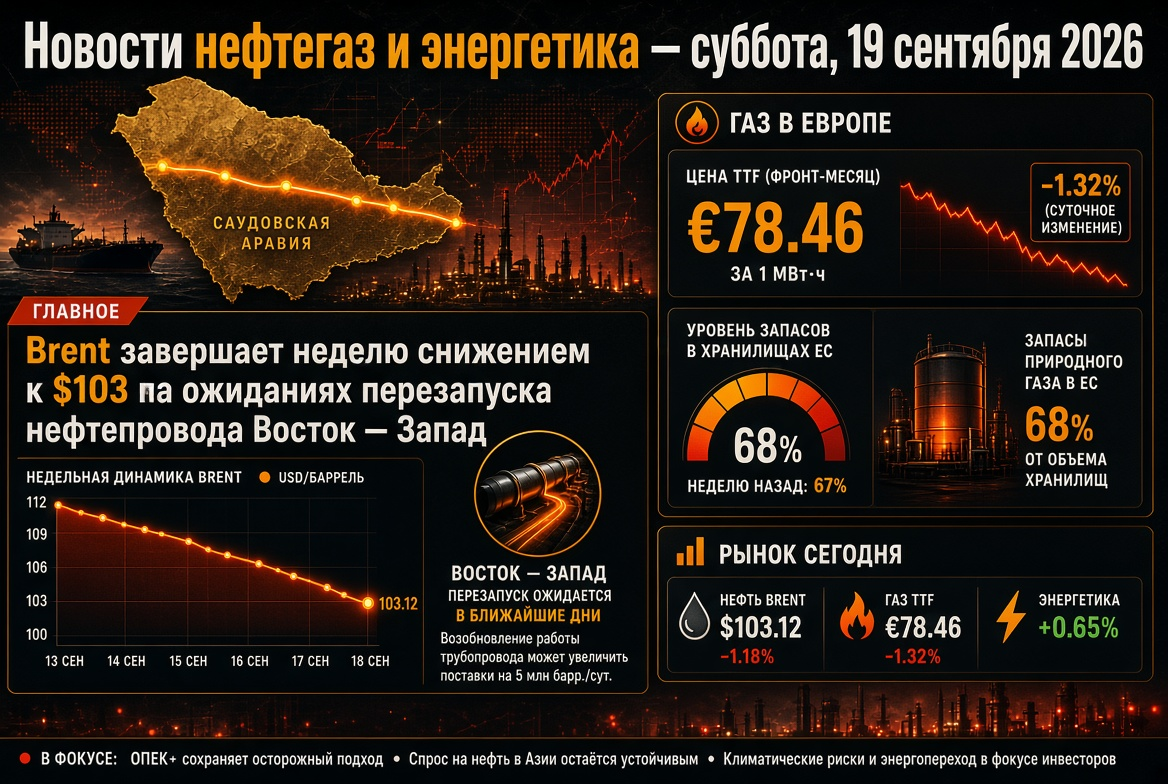
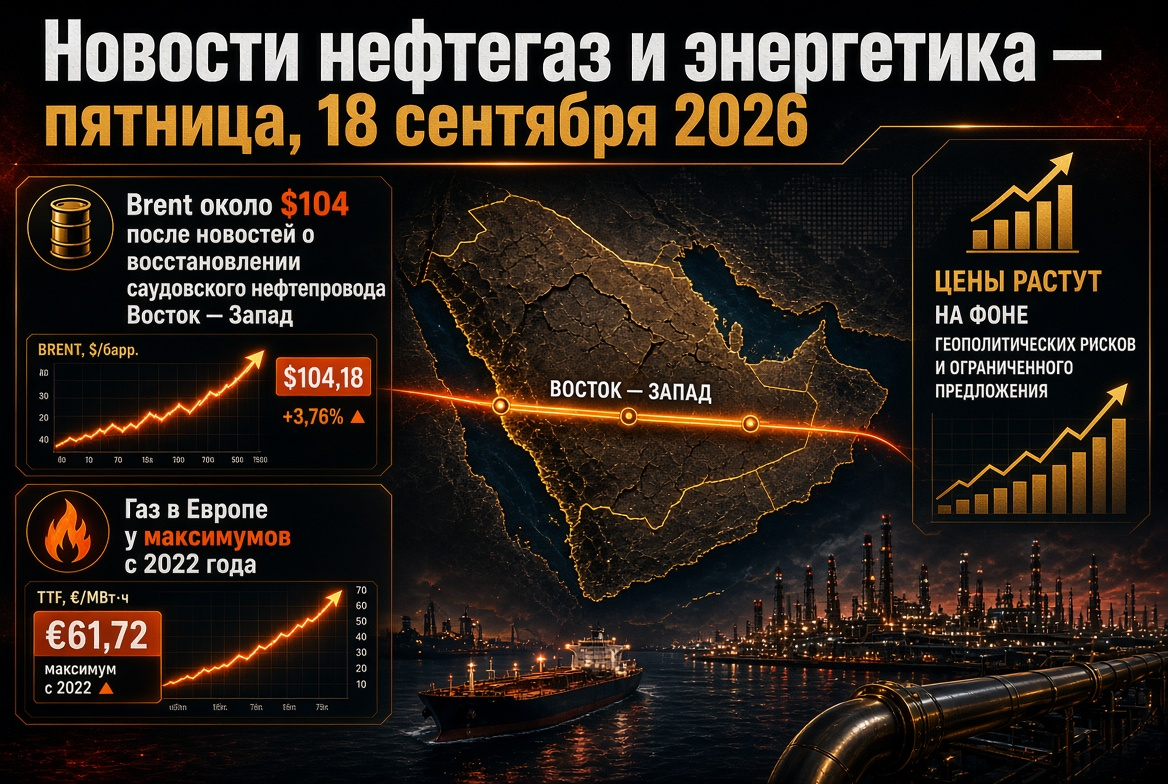
Ahead of the meeting, oil prices are demonstrating relative stability. Brent is holding slightly above $60 per barrel, while WTI is around $58–59, bouncing back from recent lows. The lack of expectations for new production cuts is restraining price growth. Analysts note that without further measures from OPEC+, a new wave of price declines could emerge over the coming months, potentially dropping below $50 per barrel by early 2026.
However, any unexpected moves following Sunday’s meeting could be decisive: the confirmation of the current course (stable production) would be seen neutrally by the market, while an unexpected signal regarding deeper cuts could support oil prices and share prices of oil and gas companies. Simultaneously, inaction might increase pressure on exporters: currencies of commodity-exporting countries, including the Russian rouble, would likely react sensitively to the meeting outcomes.
Consumer Demand: Initial Outcomes of Black Friday
In the US and Europe, this weekend marks the bustling holiday sales season, traditionally kicked off by 'Black Friday' on 28 November. Early data indicates a high level of purchasing activity, particularly in the online segment. Analysts estimate that American consumers have set a new record for online sales: the total online revenue during the holiday weekend (from Thanksgiving to Cyber Monday) may exceed last year’s figures by 5–7%. Meanwhile, foot traffic in physical stores has increased only slightly or remained at last year’s levels – an increasing number of shoppers prefer to place orders online.
Retailers report heightened demand for electronics, toys, and home goods. Retail giants such as Walmart and Amazon are reporting stable sales, while off-price discount retailers (such as TJX, which owns TJ Maxx, and Ross Stores) are attracting cost-conscious consumers with aggressive discounts. In the face of high inflation and rising borrowing costs, low-income consumers are cautious with their expenditures, whereas affluent households, benefiting from the stock market's upswing in 2025, continue to spend actively.
In Europe, the 'Black Friday' promotion is also gaining momentum: major retail chains and online stores are recording increased revenue, although the real sales growth rates are curtailed by tightening household incomes in several countries.
Nevertheless, a successful start to the holiday sales season would serve as a positive signal for the stock markets: shares of retail sector and e-commerce companies might receive support if robust sales are confirmed by statistics.
US Corporate Reports
The American corporate calendar is virtually empty this weekend – no new financial reports are scheduled for Saturday. This is unsurprising as the quarterly reporting period in the US has come to an end. The overwhelming majority of companies in the S&P 500 index have already reported for the third quarter, and investors are not expecting new releases until next week. The past week delivered the final significant reports of the season. For instance, tech giant NVIDIA exceeded earnings forecasts due to surging demand for AI chips, triggering a rally in the sector and reinforcing confidence in the ongoing 'AI boom'. Leading retailers Walmart and Target also shared quarterly results: their revenue remained stable, signalling sustained consumer demand even amid elevated inflation. After such a news-heavy period, this weekend offers markets a breather. Investors have time to digest the information received and adjust strategies before the remaining few companies report in early December and focus shifts to macroeconomic statistics.
European Corporate Reports
European equity markets are also not expecting new corporate publications on Saturday. Most leading issuers in the region (including companies in the Euro Stoxx 50) have already disclosed their financial results for the third quarter in previous weeks. The earnings season in Europe has effectively concluded, and no significant releases are scheduled for the weekend. Following a barrage of corporate news in October and early November, there is now a relative lull: investors are digesting previously published reports and assessing macroeconomic trends. Recent results from major European corporations present a mixed picture of the region's economy. For instance, reports from industrial conglomerate Siemens and several major Eurozone banks confirmed growth in certain sectors, while consumer demand and investment appear weak. In the absence of new reports during these days, European market participants will primarily focus on external factors – global news, activity on Wall Street after the holidays in the US, and the situation in commodity markets. Upcoming December macro statistics (including inflation and business activity data) and company forecasts for year-end will serve as the next reference points for Europe.
Asian Corporate Reports
The Asia-Pacific region also lacks corporate events on Saturday. In the largest economies of Asia, the earnings season for July–September is nearly finished by the end of November. Many tech and industrial giants in China and Japan reported in the first half of the month. This week, Chinese internet giant Alibaba announced its financial results – its revenue for the third quarter of 2025 rose approximately 5% year on year (around +15% excluding previously sold divisions), but net income plunged by more than half due to significant investments in new business areas. Another indicator of the Chinese consumer market, company Meituan, disappointed investors: its quarterly revenue increased by only 2% year on year, falling short of forecasts, and due to a price war with competitors, Meituan reported a net loss – its first in three years.
Nevertheless, these isolated cases do not alter the overall picture: most large Asian firms have already delivered satisfactory results earlier. Therefore, external drivers dominate the Asian exchanges this weekend. Without fresh reports, market participants are monitoring the week's outcomes and global events – particularly signals from the US market and commodity prices – which will set the tone for trading in Asia on Monday morning.
Russian Corporate Reports
No new reports from major public companies are expected on the Russian stock market this Saturday. The primary wave of financial results publication for the first nine months of 2025 has already taken place in November. Almost all flagship companies on the Moscow Exchange have reported: banks showed moderate profit growth (for example, Sberbank announced a ~+6% year-on-year increase in net profit according to RAS for the first nine months, demonstrating resilience in the banking sector despite sanctions and high rates); oil and gas corporations experienced a decline in revenues due to lower energy prices and increased tax pressure; metallurgical and chemical companies posted mixed results, balancing between export restrictions and the recovery of domestic demand.
This past week, investors also received a few belated reports: the pipeline monopoly Transneft presented its financial results for Q3 2025 according to IFRS – the company's indicators were close to expectations (revenue around 360 billion roubles for the quarter, net profit at the level of the previous quarter). Additionally, the energy company RusHydro reported a nearly 29% year-on-year increase in profit for the first nine months, confirming positive trends in the energy sector. With no new releases expected over the weekend, traders on the Moscow Exchange are taking a pause to analyse the already published data and adjust positions. The further movement of the Russian market at the beginning of next week will primarily be determined by the global news backdrop – specifically the dynamics of oil prices following the OPEC+ meeting and the overall mood in global markets.
What Investors Should Pay Attention To
- Outcomes of the OPEC+ Meeting: On Sunday, the decision of oil-exporting countries regarding production for the coming months will become clear. If OPEC+ meets expectations and maintains current quotas unchanged, the oil market reaction will likely be subdued. However, any unexpected moves – such as announcements of additional production cuts – could significantly alter the commodity market landscape. Investors should closely monitor statements following the meeting, as they will determine the trajectory of oil prices in December and the dynamics of the oil and gas sector shares. Furthermore, the Russian rouble and other currencies of commodity-exporting economies could experience notable fluctuations on Monday influenced by the OPEC+ meeting results.
- Sales During the Holiday Season: The initial reporting data from retailers over the weekend will provide guidance on consumer activity. A strong start to 'Black Friday' and Cyber Monday will signal consumers' willingness to spend, which would improve forecasts for retail and e-commerce sector revenues for Q4. This could support their share prices and overall market optimism. Conversely, if purchasing activity falls short of expectations, investors might revise their growth forecasts for the end of the year. Shares of retail chains and online platforms may face downward pressure, and stock indices might begin the week with a cautious sentiment.
- Global Risk Appetite Ahead of the New Week: The aggregate of weekend news will form investors’ mood for the market opening on Monday. The absence of negative surprises and positive signals (such as successful retailer sales, stable OPEC+ decisions without conflicts) could bolster risk appetite, pushing futures on key indices upward before the start of the session. If, however, the weekend brings conflicting or alarming news, markets may greet Monday with increased demand for safe assets – such as gold and government bonds – and a depreciation of emerging market currencies. Investors in CIS countries should monitor news on Sunday evening and the dynamics of futures on stock indices to be prepared for potential volatility spikes at the start of the new week.
Overall, 29 November unfolds under the auspices of assessing consumer and commodity indicators. How successful the holiday sales season’s commencement turns out to be and what verdict OPEC+ delivers will greatly determine the initial market positioning going into December. In the absence of domestic events, investors from the CIS are advised to pay particular attention to external factors. From next week onward, the focus will shift towards upcoming central bank meetings and end-of-year statistics; however, the foundation for this is being laid now, during these calm weekend days, as global markets digest the signals received from consumers and oil stakeholders.