Latest News in Oil, Gas, and Energy as of 13 March 2026. Analysis of the Global Oil, Gas, LNG, Electricity, and Oil Products Market. Geopolitics, OPEC+, Refineries, and Key Events in the Global Energy Sector for Investors and Energy Companies
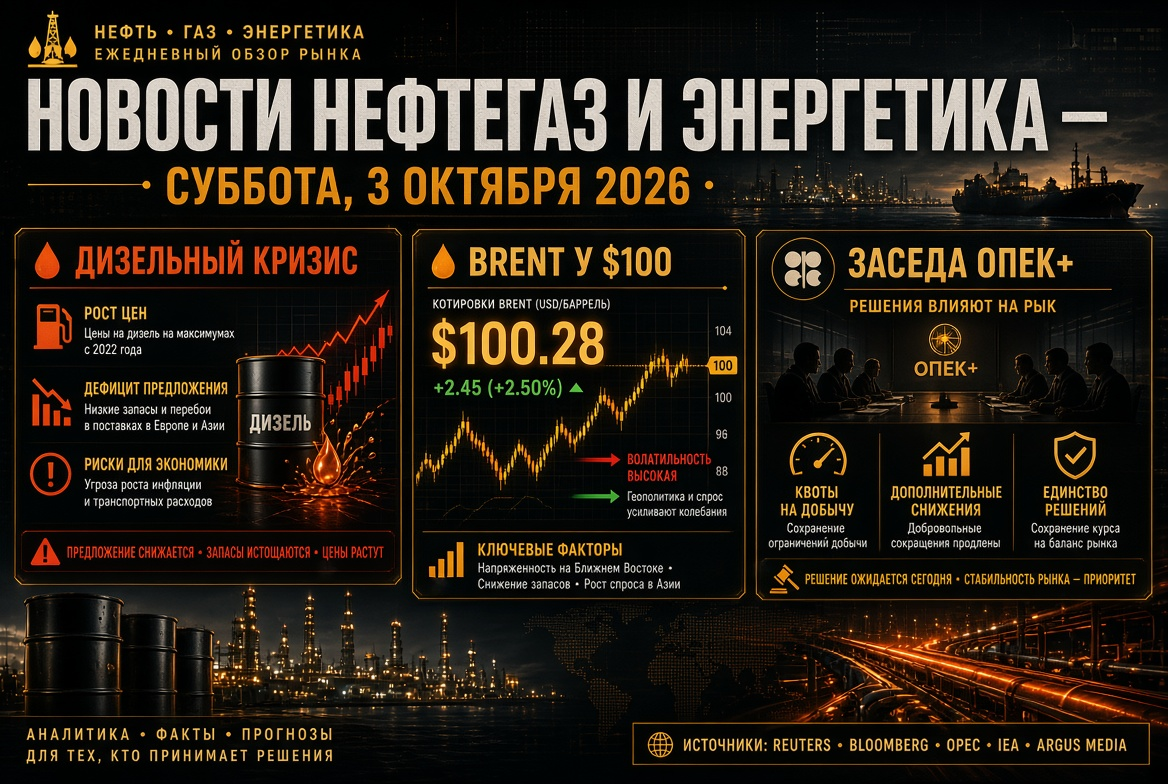
The global fuel and energy complex enters Friday, 13 March 2026, in a state of heightened volatility. The main theme of the day is not merely the rise in oil prices, but the systemic impact of the Middle Eastern conflict on the entire global energy sector: from the raw materials sector and oil products to the LNG market, electricity, coal, refining, and logistics. For investors, oil companies, fuel companies, refineries, and participants in the gas and electricity markets, this signifies a transition from a waiting mode to an assessment phase of actual supply disruptions.
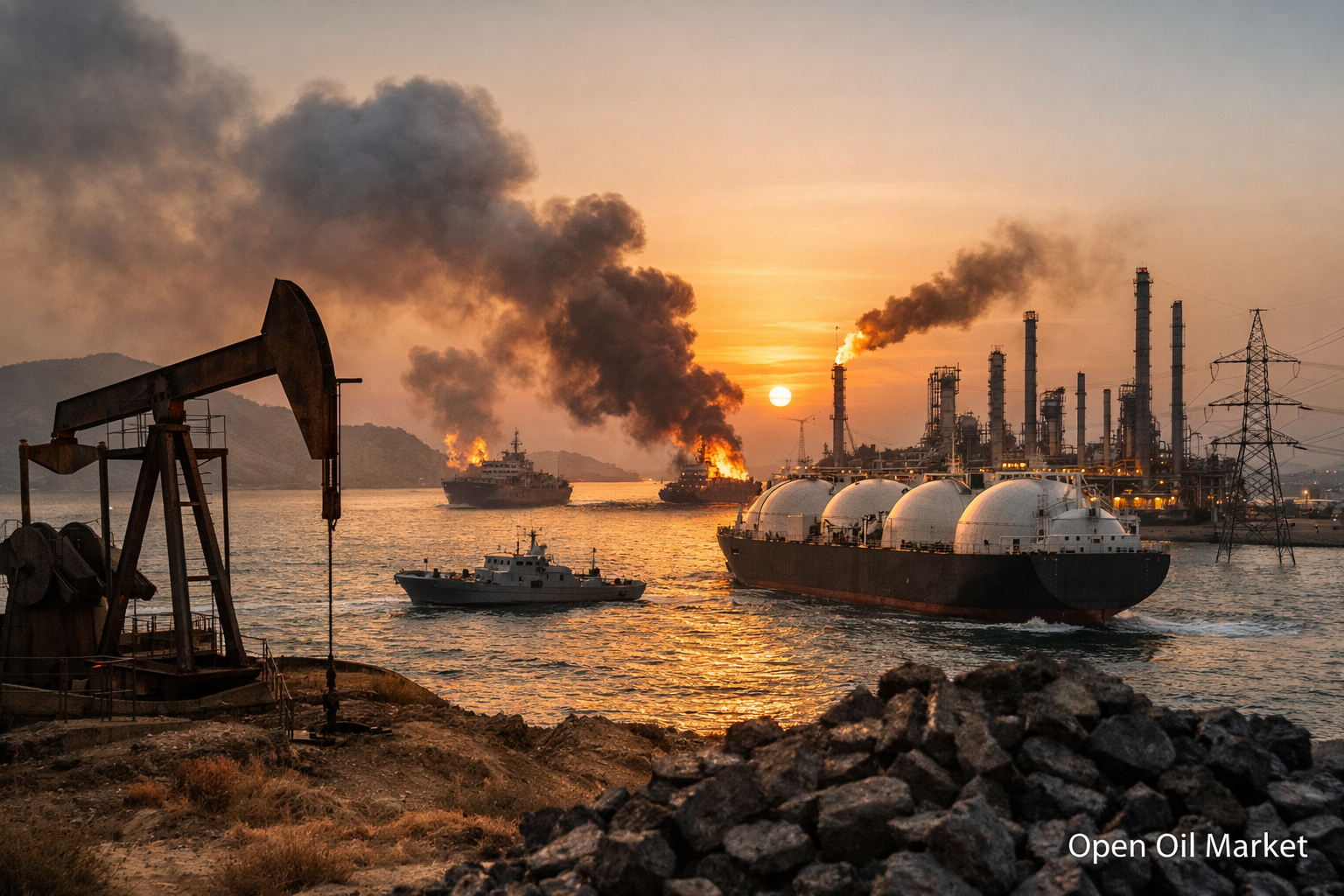
The oil and gas market is currently reacting to several factors simultaneously: disruptions around the Strait of Hormuz, emergency actions by oil-consuming countries, limited compensatory capabilities of OPEC+, the risk of a contraction in LNG exports from the Middle East, and the redistribution of demand between gas, coal, and electricity. For global energy, this is one of the most tense moments at the beginning of 2026.
Below is a structured overview of what is happening in oil, gas, and energy on the global market, and which signals investors and corporate participants in the energy sector should pay attention to.
Oil Market: Geopolitical Premium Becomes the Main Driver Again
The primary driver for the oil market is the sharp increase in the geopolitical premium. While at the beginning of the month market participants discussed the balance of supply and demand, by 13 March, the focus has shifted to the physical availability of barrels, the security of maritime routes, and the resilience of export infrastructure in the Persian Gulf.
For oil companies and traders, three fundamental conclusions are essential right now:
- The oil market is no longer assessing only future risks, but accounting for current supply disruptions;
- The Brent price is determined not so much by the usual OPEC+ cycle and demand, but by the state of logistics and export corridors;
- High volatility persists not only in crude oil but also in oil products, especially in the segments of diesel, aviation fuel, and naphtha.
This is why the focus is not on the nominal production volume, but on the capacity to physically transport oil, refine it, and deliver it to the end consumer. For the global energy sector, this represents a crucial pivot: the market is transitioning from a phase of fundamental analysis to a phase of managing disruptions and insuring risks.
OPEC+ and Supply: Symbolic Increase in Production Does Not Solve the Problem
Formally, the oil market received a signal of additional supply: OPEC+ previously confirmed a moderate increase in production starting in April. However, investors and participants in the oil and gas sector need to understand that this step does not appear sufficient to neutralise the current shock.
The limitations of the OPEC+ decision include the following:
- The market is facing not a typical quota deficit, but rather transportation and export disruptions;
- Even additional barrels do not guarantee a quick supply to the global market with disrupted logistics;
- Market participants are factoring in the risk that some capacities in the region may take longer to recover than expected;
- An increase in production appears moderate in light of the scale of nervosity within the global energy sector.
As a result, the oil and gas market perceives OPEC+ actions more as a stabilising political signal than a comprehensive response to the crisis. For oil companies, refineries, and fuel consumers, this means that the pressure on oil and oil product prices may persist longer than basic models suggest.
Gas and LNG: Pressure on the Global Gas Market is Intensifying
If oil has become the first response of the market, the next link in the crisis is gas. The global LNG market is extremely sensitive to any disruptions in the Persian Gulf region, which is why the situation surrounding Middle Eastern supplies quickly reflects on prices in Europe and Asia.
Key factors for the gas and electricity markets include:
- Supplies of LNG from the region are under additional pressure;
- Energy companies and importers are compelled to quickly revise their procurement strategies;
- European and Asian buyers are entering into more intense competition for spot volumes;
- The rise in gas prices is increasing costs for electricity and industry.
For participants in the energy sector, this means that the gas crisis may develop in parallel with the oil crisis. Electricity sectors in Europe, Asian LNG importers, and industrial sectors relying heavily on gas in their energy mix remain particularly sensitive. In practice, this elevates risks not only for gas companies but also for the fertiliser, metallurgical, petrochemical, and district energy sectors.
Coal and Electricity: Expensive Gas Increases the Role of Alternative Fuels
Against the backdrop of a spike in LNG prices, the global electricity market is returning to an old mechanism—partially switching from gas to coal where technically feasible. For the global energy sector, this is an important moment because coal is once again becoming a tool for short-term stabilisation of energy systems.
Where This Effect is Most Noticeable
- In Japan and South Korea, where a rapid reassessment of the fuel balance for generation is possible;
- In certain segments of European electricity where there remains the possibility of a limited return to coal generation;
- In developing Asian countries, where coal still plays a systemic role in ensuring energy security.
However, the return to coal is not a universal solution. In many countries, capacities are already insufficient, some plants have been decommissioned, and environmental and regulatory constraints limit flexibility. Nevertheless, the mere fact of increased interest in coal shows: the global electricity market still relies on traditional energy sources during critical moments.
For investors, this is an important signal. Even with the active development of renewable energy sources, coal and gas continue to perform the role of a safety net for the global electricity sector, especially during periods of price and geopolitical shocks.
Refineries and Oil Products: Refining Becomes a Separate Risk Zone
For the oil products market, the central question is not only the price of raw materials but also the stability of refining operations. When export terminals, transport routes, and specific refining capacities are under pressure, risks automatically shift to gasoline, diesel, fuel oil, aviation fuel, and raw materials for petrochemicals.
Participants in the refining and oil products market need to consider the following consequences:
- Refining margins can change rapidly due to logistical disruptions and uneven supplies;
- The deficit of certain fuels can manifest more quickly than that of crude oil;
- Asian and European refineries may compete more aggressively for alternative feedstock;
- Insurance and marine logistics costs remain an additional factor in driving prices up.
For the refining sector, this signifies a transition to a more cautious procurement and inventory policy. For fuel companies and large consumers of oil products, the importance of contractual discipline, diversification of suppliers, and control over logistics chains is increasing. Over the coming weeks, the refining segment may emerge as one of the most sensitive within the entire global energy sector.
Renewable Energy and Energy Transition: Crisis Does Not Negate the Structural Shift in Global Energy
Despite the current shock in the oil and gas market, the long-term energy transition has not halted. Moreover, the contrast between the short-term vulnerability of traditional exports and the long-term growth of domestic low-carbon generation is becoming increasingly evident. This is particularly important for the global audience of investors, who assess not only the current conditions but also the strategic transformation of global energy.
Today, two logics operate simultaneously within global energy:
- Short-term logic — the world still needs oil, gas, coal, refineries, and backup capacities for energy supply stability;
- Long-term logic — countries continue to scale up renewable energy, storage, grid infrastructure, and local generation to reduce external dependence.
Therefore, the current crisis is unlikely to halt the development of renewable energy but may enhance interest in it as a tool for energy security. For investors in the energy sector, this means that oil, gas, and electricity are not positioned against renewables: in practice, the market increasingly evaluates these segments as complementary parts of a new energy architecture.
Regional Landscape: Who is Winning, Who is Losing, and Where New Opportunities are Forming
The current situation is redistributing advantages among regions.
Middle East
Remains a source of primary risk for global oil, gas, and LNG. It is here that the scale of the crisis for oil, gas, and oil products is determined.
Europe
Is particularly sensitive to gas, electricity, and oil product prices. For the European energy sector, stock levels, diversification of imports, and the ability to maintain industrial competitiveness are currently critical.
Asia
Will face increasing competition for LNG and possible growth in demand for coal. For China, Japan, South Korea, and India, the issue of energy balance is coming to the forefront again.
USA and Other External Suppliers
Have a window of opportunity to increase their role in the global market for oil, gas, oil products, and energy logistics. In a tense market, their export and trading role may be enhanced.
From the perspective of the global energy landscape, this creates a new map of opportunities. Some market participants are losing due to supply disruptions and rising logistical costs, while others are experiencing increased demand and rising export margins.
What This Means for Investors and Energy Sector Participants on 13 March 2026
For the global audience of investors, oil companies, gas companies, refineries, fuel companies, and electricity market players as of 13 March 2026, the following practical conclusions are important:
- The oil market remains overheated amidst news developments and sensitive to every signal regarding logistics and supply security;
- The gas and LNG market may display no less volatility than the oil market;
- Oil products and refining margins deserve separate attention, as refining may react more swiftly than the raw material market;
- Coal and backup thermal generation temporarily strengthen their significance in the global electricity sector;
- Renewables maintain long-term investment attractiveness as part of energy security strategy.
In the short term, the market remains news-driven and emotional. In the medium term, investors will evaluate how quickly oil, gas, and oil product supplies can be normalised and the resilience of energy logistics restored. In the long term, the current crisis reinforces one important thesis: the global energy sector is becoming increasingly diversified, and those players who can integrate traditional energy resources, refining, electricity, and new energy solutions into one resilient model will emerge victorious.
Summary of the Day: The main theme for oil and gas on Friday, 13 March 2026, is not just the rise in oil prices but a test of the resilience of the entire global energy system. Oil, gas, LNG, coal, electricity, renewables, oil products, and refineries are once again perceived by the market as interconnected elements of one large crisis framework. This is why news from the energy sector today is significant not just for commodity traders but for all those making investment and strategic decisions in global energy.