Overview of the Oil, Gas and Energy Market on Saturday, 15 November 2025: Stable Oil Prices, Sanction Pressure on the Russian Energy Sector, Europe’s Confidence in Gas Supplies, and Preparation for COP30
Key Takeaways
- Oil: Global oil prices have stabilised after a recent decline, closing the week near local lows amidst signs of oversupply and expectations surrounding OPEC+ decisions.
- Gas and Winter: Europe enters winter with high gas storage levels (approximately 85%) and asserts its readiness to endure the heating season without shortages, although the energy market remains weather-dependent and reliant on LNG imports.
- Sanctions: Intensified sanction pressure on the Russian oil and gas sector, including sanctions against Lukoil and Rosneft, is forcing market participants to restructure supply chains; Russian companies are offering discounts and utilising shadow tanker fleets to maintain exports.
- USA and Canada: North American oil production remains at record levels (~13 million barrels per day in the USA), oil and LNG exports are rising, and significant infrastructure projects (pipelines, terminals) are resuming with government support.
- Asia: China is experiencing a slowdown in energy demand growth and planned maintenance at large refineries, while India continues to increase imports of cheap oil, remaining a key driver of global demand.
- New Projects: Emerging promising projects are appearing in commodity markets, from developing oil and gas fields in South America to plans for building nuclear power plants, indicating ongoing investments in energy despite the climate agenda.
Oil Market: Price Stability Amidst Expectations and Oversupply
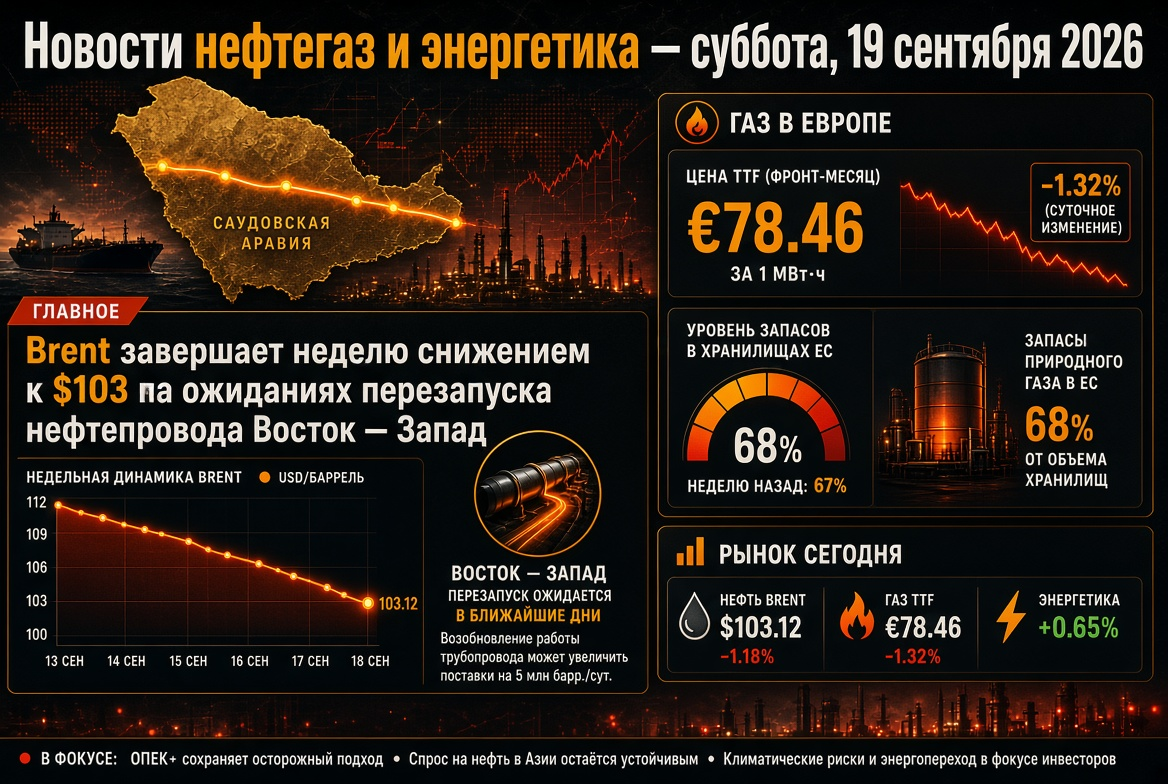
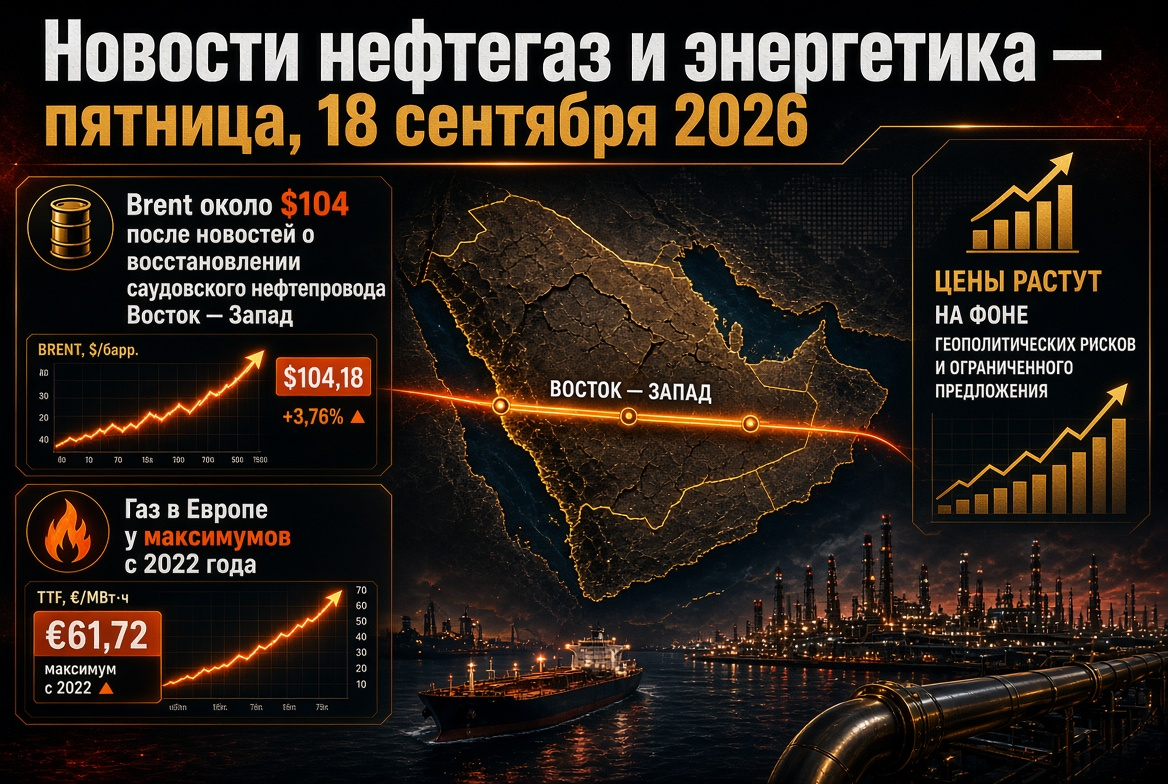
Prices: Following a significant drop earlier in the week, global oil prices are showing relative stability by the end of the trading week. The benchmark Brent is holding around $62–63 per barrel, and the American WTI is near $59. These levels are close to the lowest in recent months and reflect the continued excess supply in the market. Investors are evaluating oversupply risks: according to updated OPEC forecasts, global supply could exceed demand as early as 2026, and the International Energy Agency also points to rapid production growth outside of OPEC+. As a result, Brent and WTI prices remain under pressure, showing slight declines over the week.
Supply and Demand Factors: Several factors are influencing price dynamics:
- High Supply: Oil production remains at historically high levels. OPEC+ countries, after easing restrictions, are gradually increasing exports – in early November, the alliance permitted a symbolic rise in quotas (~+0.14 million barrels per day from December), postponing more significant actions until 2026. At the same time, US oil production has reached record volumes (approximately 13 million barrels per day) due to the shale boom and deregulation. Additionally, some previously restricted barrels are returning to market – for instance, exports from the Kurdish oil region in Iraq have resumed. All of this supports the oil surplus in the market.
- Slowing Demand: Global oil demand is growing much more slowly than in previous years. China's economic slowdown, high prices in recent years, and advances in energy efficiency are limiting consumption. According to the IEA, the global demand increase in 2025 will be less than 1 million barrels per day (in comparison, in 2023 the growth exceeded 2 million). The rapid spread of electric transportation is also beginning to affect the long-term demand outlook for petrol.
- Stocks and Float Storage: Commercial stocks of oil and oil products in key regions continue to rise. In the US, crude oil inventories increased by another ~1.3 million barrels over the last week, with similar trends observed in Europe and Asia. Moreover, significant volumes of oil are accumulating in floating storage – traders estimate that approximately 1 billion barrels of oil are currently on tankers, some of which are carrying hard-to-sell sanctioned oil. This accumulation of reserves adds more pressure on prices.
Market Expectations: Despite clear signs of oversupply, price declines are being restrained by various factors. Geopolitical risks and concerns about supply disruptions create a sort of "floor” for prices around $60 per barrel—market participants remember the potential for sudden events (escalation of conflicts, force majeure) that could reduce supply. Furthermore, the upcoming planned meeting of OPEC+ ministers is leading markets to expect that major exporters will not allow prices to fall below critical levels. Saudi Arabia and its partners have signalled readiness to adjust production and extend voluntary restrictions if price declines intensify. Therefore, the consensus forecast for the coming weeks is a continuation of moderately low prices without sharp fluctuations unless something extraordinary occurs. Under these conditions, oil companies are focusing on cost-cutting and hedging, planning budgets for 2026 based on cautious price expectations.
Sanction Pressure: Restructuring of Russian Export Flows
New Western sanctions against the Russian oil and gas sector are entering a critical phase. In October, the US included major Russian oil companies Lukoil and Rosneft in the sanctions list, obliging counterparties to terminate all operations with them by 21 November. This deadline is approaching, and Russian market participants are frantically adapting to the new conditions. According to sources, Lukoil has requested an extension from the US Treasury, arguing the need for more time to close contracts and sell foreign assets. While a decision has not yet been announced, the company's overseas deals are currently in limbo – including operating activities at refineries and trading subsidiaries abroad. For example, Lukoil previously attempted to sell several international assets to trader Gunvor, but in November, US authorities blocked the agreement.
Export Adaptation: The Russian oil and gas sector is seeking alternative markets under sanction pressure. Traditional buyers are restructuring their supply chains: the largest Indian state company Indian Oil has stipulated in its new oil tender that suppliers and loading ports must not be under US, EU, or UK sanctions. This means Indian refineries are willing to continue purchasing Russian oil, but through intermediaries from third countries, avoiding direct dealings with sanctioned entities. Another Indian company, Nayara Energy (partially owned by Rosneft), stated it would maintain large import volumes from Russia despite external pressure. Simultaneously, direct purchases of Russian oil by leading Chinese players have notably declined: fearing secondary sanctions, several state-owned and independent refiners in China have scaled back imports from the RF. It is reported that supplies of Russian oil to China have dropped to half of former volumes—especially after one Chinese refinery was sanctioned by the EU and UK for cooperation with Russia. This has led to a decline in prices for Far Eastern grades (ESPO, "Sokol"), and Russian exporters have had to redirect these volumes to other countries with bigger discounts.
Alternative Logistics: To maintain exports, Moscow is increasingly deploying shadow mechanisms. Oil sales are conducted through little-known traders registered in friendly jurisdictions, and shipments are executed via a "dark fleet" of older tankers, which have officially changed ownership. Such vessels turn off their transponders and transship oil at sea, disguising its origin. Although this scheme entails higher costs and risks (both environmental and insurance), it allows Russian oil to find a way to markets in Asia and Africa outside official channels. Analysts note that the share of Russian exports via "grey" schemes rose to record levels in 2025. At the same time, Russia continues to develop trade in national currencies and barter deals with several countries to bypass financial restrictions.
Domestic Market: The Russian government's strict measures to stabilise the domestic fuel market, adopted earlier in the autumn, continue to be in effect. Export restrictions on gasoline and diesel introduced in September have been extended until the end of the year, allowing the domestic market for oil products to remain saturated. Wholesale fuel prices in Russia have retreated from peak levels in August and retail prices have ceased to rise. Therefore, despite external pressure, the Russian oil industry is currently managing to avoid acute disruptions: the internal market is protected through manual regulation, and export flows have been reoriented as part of the "Eastern Turn." However, experts warn that further tightening of sanctions or new physical threats (such as drone attacks on infrastructure) could significantly harm future export revenues and production.
USA and Canada: Record Production and Infrastructure Renaissance
The North American energy sector at the end of 2025 is demonstrating stable growth, setting the tone for the global market. In the United States, oil production maintains record levels—approximately 13 million barrels per day, consistent with pre-crisis periods. American producers, taking advantage of favourable prices from the previous year, have ramped up drilling activity, especially in Texas and New Mexico shale fields. Although growth rates slowed in 2025, the USA confidently retains its status as the largest oil producer.
Export Growth: Due to high production, the US has also increased its oil and gas exports. Exports of American crude oil are steadily exceeding 4 million barrels per day, heading to Europe, Asia, and Latin America. The US has effectively become one of the key global exporters, providing allies with raw materials amidst sanctions against other producers. Simultaneously, liquefied natural gas (LNG) exports from the US are breaking records: in 2025, several new LNG terminals on the Gulf Coast are expected to be launched, raising total capacity to approximately 150 billion cubic metres per year. This bolsters the US position as a leading supplier of gas in the global market—American LNG has helped Europe compensate for the loss of Russian pipeline gas and competes for market share in Asia.
Infrastructure and Policy: The US administration is stimulating the energy sector by easing regulatory barriers. In 2025, the development of certain oil and gas provinces closed during the previous cycle of environmental restrictions has been again permitted. Moreover, a large-scale infrastructure project—the Keystone XL pipeline (linking Canadian oil sands with US processing)—has received the green light and resumed construction, which was halted back in 2021. This decision, supported by the administration, aims to enhance the reliability of heavy oil supplies from Canada and create jobs. Concurrently, Canada and the US are investing in expanding pipelines and export terminals on the Pacific coast to deliver energy resources to Asian markets more quickly. Canadian producers, capitalising on demand, have ramped up production in Alberta and are planning new LNG projects on the west coast.
Balance of Interests: Despite support for traditional fuels, the energy transition continues in North America. Major oil and gas corporations are investing in carbon capture, green hydrogen, and renewable energy projects, seeking to diversify their business models. The US and Canadian governments declare their commitment to climate goals while simultaneously stressing the importance of bolstering energy security through domestic production. This dual approach—increasing oil and gas production now while also developing clean technologies—reflects an attempt to find a balance between economic demands and climate commitments.
Asia: Demand Under Control, China Cautious, India Accelerating
The Asian region remains a key consumer of energy resources; however, demand dynamics in the largest economies of Asia are changing somewhat. China, long a driver of global oil and gas consumption growth, is exhibiting a more moderate appetite for raw materials in 2025. Economic growth in China has slowed, affecting oil demand—raw oil import levels have stabilised around 11 million barrels per day and are no longer breaking records as they previously did. Furthermore, widespread electrification of transportation and the development of energy-efficient technologies are slowing the growth rate of petrol and diesel consumption. An indirect sign of market balance is PetroChina's decision to temporarily halt repairs at one of its largest refineries in Yunnan with a capacity of 13 million tons per year. From 15 November to 15 January, this plant will undergo scheduled upgrades, and fuel supplies to southwest China will be redirected from other sources. The two-month downtime of such a large facility indicates that there are sufficient reserves and backup capacities within the system to carry out upgrades without risking petrol or diesel shortages in the region.
India: In contrast to China, India maintains a high growth rate in energy consumption in 2025. The second-most populous country is increasing its oil imports, taking advantage of the availability of cheaper barrels from Russia and the Middle East. According to traders, Indian oil imports reached a historic high of over 5 million barrels per day in autumn, satisfying growing domestic fuel demands. Additionally, Indian refineries are actively processing a variety of crude grades, aiming to benefit from discounts and changes in global flows. The Indian government is also speeding up the development of domestic production and infrastructure: terminals for receiving LNG are expanding, and new gas distribution pipelines are being constructed. The growth of gas generation and renewables is also a priority for New Delhi—India is investing in solar and wind power plants, aiming to significantly reduce its dependence on coal by 2030. However, coal remains a primary fuel for India: in 2025, new modern coal units will be brought online to meet rising electricity demands.
Other Asian Economies: In Southeast Asia, a similar picture is observed: energy consumption is rising with industrial development, but governments are attempting to reduce import dependence. Indonesia and Vietnam are implementing programmes for developing domestic oil and gas production, and LNG terminals are being constructed to diversify gas supplies. China, aside from containing demand, is investing in strategic oil reserves and accelerating the transition to renewable sources—renewables have surpassed 30% in China’s energy mix. However, coal still plays a significant role in China: following last year's power disruptions, authorities have increased domestic coal production to a record 4.6 billion tonnes per year to avoid shortages. Overall, Asia is balancing between traditional and new energy sources: on one hand, the region remains a main driver of oil and gas demand, while on the other, it records the highest growth rates in green energy worldwide.
Europe: Confidence in Reserves, but Market Depends on Weather
The European energy market is entering winter relatively prepared, although not without vulnerabilities. **Gas Sector:** Underground gas storage in the EU is approximately 85% full as of mid-November—this is below nearly 100% a year earlier, but still provides a solid buffer in case of a cold winter. A mild autumn has allowed EU countries to save fuel: gas consumption in October and early November was below average levels, helping to preserve reserves. Additionally, supply diversification is ongoing: Europe is being reliably supplied with record volumes of LNG from the US, Qatar, and Africa, nearly completely compensating for the ceased pipeline gas imports from Russia. Wholesale gas prices in the EU remain moderate at around $400-500 per thousand cubic metres, far from the peaks of the crisis in 2022. The European Commission recently stated that, according to calculations, even in a colder winter, Europe has enough reserves and current supplies to avoid acute shortages without implementing emergency conservation measures.
Electricity and Renewables: In the electricity sector, Europe is also demonstrating resilience but remains dependent on natural factors. Wind and hydropower generation in 2025 has experienced setbacks: due to extended calm weather and summer droughts, renewable energy output in several EU countries has decreased by approximately 5-7% compared to last year. This has forced operators to increase the load on traditional capacities. For example, Germany compensated for the wind slump with increased generation from gas and even coal plants (gas-generated electricity in Germany rose by ~15% year-on-year over the first ten months, while coal generation increased by 4%). Thanks to ample backup capacities and sufficient fuel reserves, there have been no significant issues with electricity supply. However, the situation remains fragile: continued weak winds or gas delivery disruptions could cause price spikes. European regulators are keeping stabilization instruments at hand—from joint gas procurement mechanisms to the temporary gas price cap introduced last year.
Policy and Plans: Recognising the vulnerabilities of the energy system, EU authorities have intensified efforts to accelerate the energy transition. Investments in energy storage, cross-border electricity networks, and expanding renewable generation are being encouraged across the board. Recently, the EU extended its target programmes for a 15% reduction in gas consumption until 2026 and allocated additional funding for installing heat pumps and increasing building energy efficiency. Reforming the electricity market is also being discussed, in order to better integrate renewables and protect consumers from price volatility. In the short term, Europe hopes to navigate this winter without shocks—much will depend on weather conditions. However, in the strategic phase, Europeans are drawing lessons from the gas crisis and expediting their exit from dependencies: by 2030, the EU aims to build dozens of gigawatts of new renewable capacity, strengthen LNG infrastructure, and, despite controversies, maintain some nuclear generation to ensure the stability of the energy system.
New Players: Guyana at a Crossroads and Other Projects
New points of growth in crude oil production continue to emerge on the global map—especially in developing countries. One of the most notable examples is Guyana in South America, where rich oil fields have been discovered in recent years. By 2025, production in Guyana exceeds 0.6 million barrels per day, making the country an important oil exporter in the western hemisphere. Projects led by an international consortium (ExxonMobil, Hess, and CNOOC) are steadily commissioning floating production platforms in the giant offshore Stabroek block. However, the Guyanese oil boom is now facing a political factor: general elections are expected in December, and the outcome may affect the working conditions for investors.
Political Risks: Opposition forces in Guyana have expressed intentions to review the terms of agreements with oil companies, arguing that the state's share of profits is insufficient. There are calls to increase the tax burden on the oil sector and secure more significant benefits for the country from oil exports. These statements are causing concern among investors: although existing contracts are protected, uncertainty could impact the timelines for new investment decisions. Analysts note that the influx of oil dollars has already significantly accelerated Guyana’s economic growth (GDP has increased by tens of percentage points), but it has also exposed issues of inequality and income management. The government – both current and future – faces the task of ensuring transparent distribution of oil revenues and balancing the interests of investors and the population.
Other Projects: Apart from Guyana, other significant projects continue to develop on the global energy horizon. In neighbouring Suriname, a consortium led by Petronas is preparing to develop the recently discovered offshore gas field Sloanea – plans are in place to install a floating LNG plant and commence gas exports by the early 2030s. In Namibia, promising oil deposits have been discovered offshore, and major companies are assessing the region's commercial potential, capable of becoming the "new Guyana” in Africa. The Middle East is also active: Saudi Arabia is vigorously promoting a mega-project for developing the Jafurah gas field, aiming to become a leader in the export of blue hydrogen and ammonia by the end of the decade. These initiatives demonstrate that despite the global trend towards reducing hydrocarbons, investments in oil and gas production are ongoing—they are merely shifting to new regions and are accompanied by demands for cleaner and more efficient technologies.
Climate Agenda: Expectations Ahead of COP30
In late November, global attention will turn to COP30 – the annual UN climate conference, this time hosted in Belém, Brazil. Hundreds of countries will once again discuss pathways to limit global warming, with the energy sector at the centre of these discussions. The main question – how to balance energy security with the necessity to reduce emissions. Developed countries and international organisations are urging a faster phase-out of coal and a gradual reduction in oil and gas consumption in the coming decades. More than 100 countries have already signed declarations for a gradual exit from coal-generated energy by the 2040s. The European Union is considering targets for a phased reduction in oil usage. However, the largest hydrocarbon producers have a cautious stance towards such initiatives. OPEC insists that oil and gas will remain a vital part of the energy balance for many years to come and that investment in production must continue; otherwise, the world risks facing a new price shock by the end of the decade.
Divided Positions: Heated debates are expected at COP30 between the bloc of countries advocating for more decisive action on decarbonisation and states dependent on oil, gas, and coal exports. The first group includes many island nations, European countries, and the scientific community—they point to increasing climate disasters and the urgent need for CO2 emission reductions. The second group, alongside OPEC nations, includes some developing countries, arguing they need time and funding to transition to clean energy. It is already clear that achieving full consensus will be challenging. Nevertheless, several initiatives are likely to gain traction—these include launching mechanisms for global carbon credit trading and increasing support funds for green energy in poorer countries.
Impact on Business: For investors and energy companies, the climate agenda signifies the strengthening of long-term trends. G7 countries and the EU plan to implement stricter standards regarding the carbon footprint of products— for instance, emissions calculations during oil extraction and transportation may soon influence market access for goods. Banks and funds continue to gradually reduce financing for new coal projects and are being more prudent in assessing oil and gas assets with long payback periods. Simultaneously, the rising demand for metals and technologies for renewable energy and energy storage is opening new investment opportunities. At COP30, statements regarding additional contributions to hydrogen infrastructure development, nuclear energy (as a carbon-free base for generation), and large-scale CO2 storage are expected. Thus, the global energy sector is on the brink of major changes: while oil, gas, and coal still remain fundamental to the world energy system, the political course is increasingly shifting towards sustainable development. The outcomes of the climate summit in Brazil will provide guidelines on how quickly governments intend to progress towards reducing fossil fuel use in the coming decade.