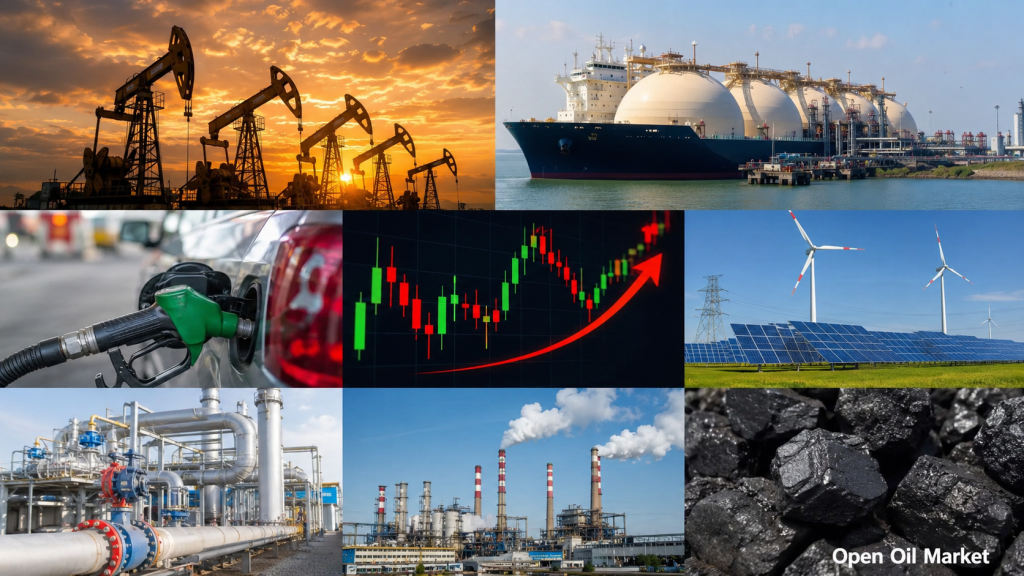
Global Energy Sector Update: Sunday, 3rd May 2026: OPEC+, Risks in the Strait of Hormuz, Competition for LNG, and Market Conditions for Petroleum Products, Gas, Coal, Electricity, and Renewables
A key storyline for the energy market is the anticipation surrounding OPEC+'s decision on oil production for June. Even if a formal increase in quotas is announced, the actual market impact may be limited. Ongoing disruptions in transportation through the Strait of Hormuz and tensions surrounding Middle Eastern supplies mean that additional barrels on paper do not equate to a real increase in physical supply.
Oil: The Market Eyes OPEC+ and Assesses Real Barrel Availability
The oil market remains in a state of heightened volatility. For global investors, it is not only the price of Brent or WTI that matters, but also the quality of supply: where the oil might come from, how reliable the logistics are, what grades are available to refineries, and how swiftly suppliers can restore export routes.
As of 3rd May 2026, the central event is the OPEC+ meeting. The anticipated quota increase of approximately 188,000 barrels per day may be perceived by the market as a signal of the alliance's willingness to support supply. However, a key risk persists: some producers are physically constrained in their exports due to issues with maritime routes and infrastructure.
- For oil companies, accessing export channels is critical;
- For refineries, the stability of supply of required feedstock is essential;
- For traders, the rise in spreads, freight, and insurance premiums is a concern;
- For investors, the sustainability of cash flows from producers is significant.
The Strait of Hormuz Remains a Principal Risk Factor for the Global Energy Sector
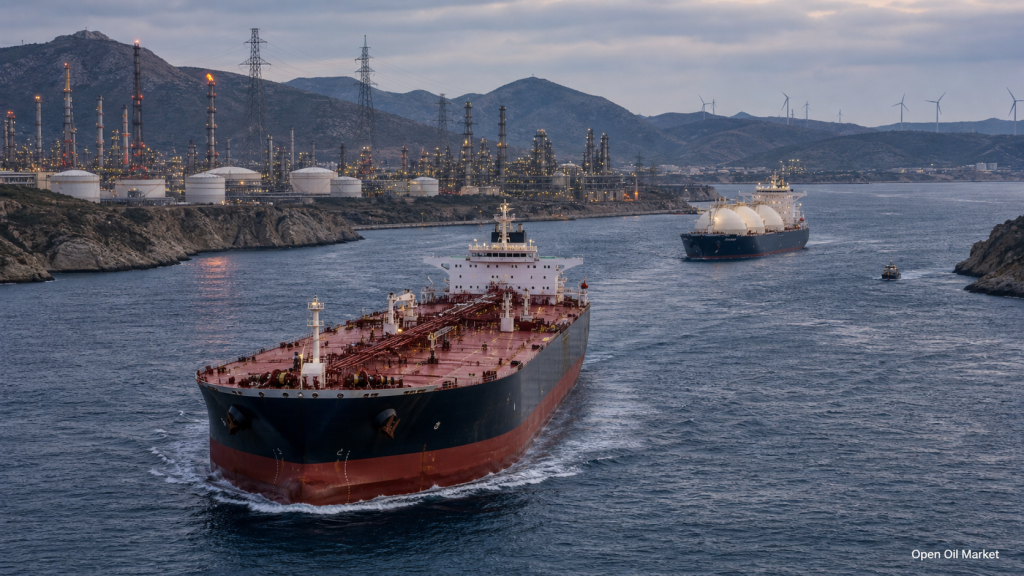
The Strait of Hormuz retains its status as a critical point of tension for the oil and gas market. This route traditionally sees significant volumes of oil, condensate, and LNG, therefore any restrictions have an immediate impact on global energy prices. Even a partial normalisation of shipping does not equate to an instant recovery of supply: the market will need time to readjust tanker schedules, insurance, freight, and contractual obligations.
For the raw materials and energy sector, this implies that the geopolitical risk premium may persist in prices longer than the acute crisis itself. Companies with access to alternative logistics, their own fleets, long-term contracts, and diversified production gain an advantage over players reliant on a single route or supply region.
Gas and LNG: Asia and Europe Compete for Flexible Supply
Competition is intensifying between Asia and Europe for flexible LNG shipments. American liquefied natural gas has become one of the primary balancing tools: shipments from the US are redistributed where prices are higher, shortages are more acute, and buyers are willing to pay a premium for reliability.
Asia is ramping up LNG purchases as disruptions in the Middle East increase regional buyers' reliance on alternative suppliers. Europe, meanwhile, remains a significant importer of US LNG but faces challenges in filling gas storage ahead of the next heating season. This elevates the importance of long-term contracts, regasification infrastructure, and the ability of energy companies to manage price risks.
Europe: Gas Storage and Energy Security Back in Focus
The European gas market enters the summer season without a complete sense of comfort. The task of filling storage remains challenging: high prices hinder purchases, and competition with Asia for LNG may escalate with any further supply disruptions. For European electricity markets, this means continued reliance on weather factors, gas imports, and the status of renewable generation.
Investors must assess not only spot gas prices but also the following parameters:
- Rates of gas injection into storage;
- The cost of LNG relative to pipeline gas;
- Trends in industrial demand;
- The role of renewables and nuclear generation in reducing gas dependency;
- The possibility of new regulatory measures to protect consumers.
Petroleum Products and Refineries: Margins Remain Sensitive to Logistics and Demand
The petroleum products market remains one of the most strained segments of the energy sector. Gasoline, diesel, jet fuel, and fuel oil respond not only to oil prices but also to refinery throughput, export restrictions, seasonal demand, and the availability of maritime logistics. For refineries, it is a period of both high opportunity and high risk.
In Asia, China's fuel export policy remains a critical factor. The increase in permitted shipments for May may partially support the regional market; however, volumes remain constrained compared to last year's levels. This supports margins for diesel and jet fuel, particularly if demand from transport, industry, and aviation is on the rise.
Coal and Electricity: The Reserve Role of Coal Generation Remains
Despite the global energy transition, coal remains an important reserve resource for electricity generation. When gas prices rise, LNG becomes scarce, and energy systems face peak demand, some countries temporarily increase their use of coal generation. This is particularly relevant for markets where the reliability of power supply takes precedence over short-term climate goals.
For investors, the coal sector remains contentious: on one hand, a long-term structural trend aims at reducing coal’s share; on the other hand, oil and gas supply crises periodically bring coal back to the forefront of energy security. Therefore, the valuation of coal assets must consider not only prices but also regulatory risks, access to ports, coal quality, and demand from the electricity sector.
Renewables: The Energy Crisis Accelerates Interest in Solar and Wind Generation
High prices for oil, gas, and petroleum products are intensifying interest in renewable energy sources. Solar power, wind generation, battery systems, and distributed energy solutions are becoming not only a climate strategy but also an economic tool. The higher the volatility of fossil fuels, the stronger the argument for local generation, energy efficiency, and electrification.
For energy companies, this signifies a shift in investment focus. Major players will increasingly regard renewables not as a separate "green" segment but as part of their energy resilience strategy: reducing dependency on imported fuels, shielding against price shocks, and creating new revenue sources.
What Matters for Investors on 3rd May 2026
For global investors, the energy market currently presents a mix of high returns, increased risks, and accelerated transformation. Oil and gas are supported by geopolitics and logistical constraints, petroleum products are buoyed by tight refining balances, LNG benefits from competition between Asia and Europe, while renewables are driven by countries' desire to reduce dependence on imported fuels.
In the coming days, it will be essential to closely monitor several indicators:
- OPEC+ decisions on quotas and the market's reaction on Brent;
- Transportation status through the Strait of Hormuz;
- LNG prices in Asia and Europe;
- Refinery throughput and margins for diesel, gasoline, and jet fuel;
- Rates of filling gas storage in Europe;
- Trends in coal generation and electricity demand;
- New investments in renewables, grids, and energy storage.
The Global Energy Sector Enters May with a High Risk Premium
News coverage for oil, gas, and energy on Sunday, 3rd May 2026, indicates that the global energy sector remains in a state of structural tension. The market is responding not only to production volumes but also to supply routes, political decisions, tank availability, refinery status, competition for LNG, and the ability of energy systems to withstand price shocks.
The key takeaway for investors and energy market participants is that energy security is once again becoming a central investment theme. Companies with diversified production, resilient logistics, access to refining, robust trading infrastructure, and projects in electricity generation are likely to appear more attractive amid an unstable commodity cycle. May 2026 may prove to be a period when the market re-evaluates the value of reliability in oil, gas, petroleum products, coal, electricity, and renewables.