Global Oil and Gas News as of 5 December 2025: Price Dynamics of Oil and Gas, OPEC+ Policy, Sanctions, Energy Market in Europe and Asia, Russian Fuel and Energy Complex, Renewable Energy Sources and Coal. Analysis for Investors and Industry Participants.
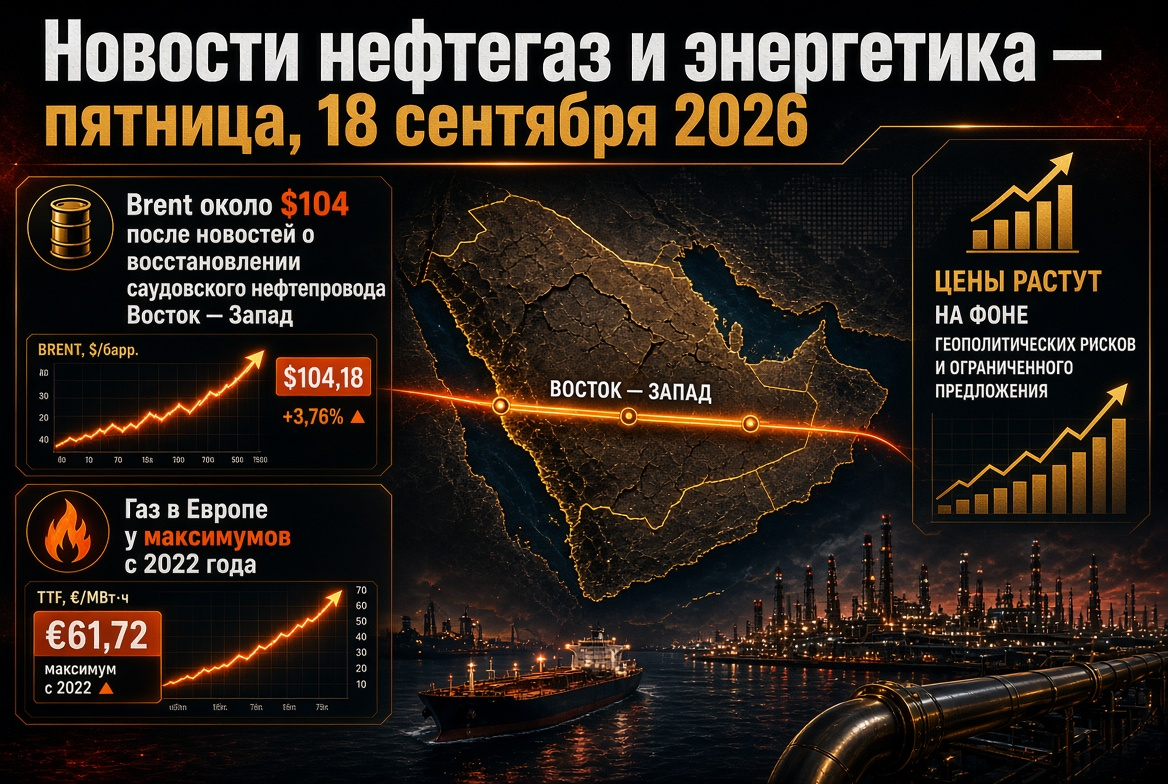
The latest developments in the fuel and energy complex (FEC) as of 5 December 2025 indicate a mixed dynamic on global markets amid cautious hopes for peaceful resolutions and ongoing risks of oversupply. Global oil prices remain around several-month lows: Brent crude is oscillating between $62–63 per barrel, while the American WTI is around $59. This is notably lower than mid-year levels and reflects a combination of factors, from expectations of progress in peace negotiations to signs of supply excess. The European gas market, on the contrary, is entering winter relatively confidently: underground gas storage (UGS) facilities in EU countries are over 85% full, providing a substantial cushion, while wholesale prices (TTF index) are maintained below €30 per MWh, significantly lower than peaks from previous years.
At the same time, geopolitical tensions surrounding energy remain high. The West continues to ramp up sanctions against the Russian energy sector — the European Union recently legally approved a phased ban on the import of Russian gas by 2027 alongside an accelerated reduction of remaining oil supplies from Russia. Efforts at diplomatic resolution of the conflict have yet to yield tangible results, thus restrictions and supply risks persist. Within Russia, authorities are extending emergency measures to stabilise the domestic fuel market following a gasoline and diesel shortage in autumn, strictly limiting the export of petroleum products. Concurrently, global energy is accelerating its "green" transition: investments in renewable sources are hitting records, with new incentives being introduced, though traditional resources — oil, gas, and coal — continue to play a key role in the energy balance of most countries. Comprehensive analysis of the situation is available for investors and industry participants.
Oil Market: Hopes for Peace and Oversupply Pressuring Prices
By early December, oil prices are under pressure and exhibiting volatility near local lows. The North Sea Brent blend, after relative stability in autumn, has fallen to approximately $62 per barrel, while WTI futures have dipped to $59. Current quotes are about 15% lower than levels a year ago. The market is pricing in a probable easing of restrictions on Russian oil in the event of successful peace talks between Moscow and Washington, thus reducing the geopolitical premium in prices. Concurrently, concerns about oversupply are mounting: industry data indicate rising stockpiles of crude and refined products, while seasonal demand dips at the year-end and a slowing Chinese economy cap consumption. The OPEC+ alliance confirmed at its meeting on 30 November the retention of current production quotas until the end of 2026, signalling reluctance to increase supply and risk a price collapse. As a result, the cumulative impact of these factors has tilted market balance towards oversupply. Prices remain at low levels as market participants assess the prospects of a peace agreement and further steps by OPEC+ in response to changing circumstances.
Gas Market: Winter Begins with Comfortable Stocks and Moderate Prices
The European natural gas market is approaching the peak heating season without abrupt disturbances. Thanks to timely fuel injection and a mild start to winter, EU countries enter December with significantly filled gas storage facilities and relatively low prices. This reduces the risk of a repeat of crisis phenomena from 2022. The main factors currently influencing the European gas market include:
- High Storage Levels: According to industry monitoring, the average level of gas storage in the EU exceeds 85%, significantly higher than the norm for the start of winter. The accumulated reserves create a reliable "safety cushion" in case of prolonged cold spells and supply disruptions.
- Record LNG Imports: European consumers continue to actively purchase liquefied natural gas on the global market. Reduced demand for LNG in Asia has released additional volumes for Europe, partially compensating for the drop in pipeline supplies from Russia. As a result, LNG inflow remains high, helping to keep prices moderate.
- Moderate Demand and Diversification: Mild weather at the start of winter and energy-saving measures are restraining gas consumption growth. Concurrently, the EU is diversifying its sources: gas imports from Norway, North Africa, and other regions have increased, strengthening energy security and reducing dependence on Russian supplies.
- Price Stabilisation: Wholesale gas prices are currently nearly three times lower than the extreme peaks of last year. The Dutch TTF index is holding around €28–30 per MWh. Storage levels and market balancing have enabled the avoidance of new price spikes even amidst reduced LNG imports from Russia.
Thus, Europe enters winter with a significant buffer on the gas market. Even in the case of colder weather, the accumulated reserves and flexible LNG supply chains can mitigate potential shocks. However, the long-term situation will depend on weather conditions and global demand, particularly if energy needs in Asia begin to rise again.
Russian Market: Fuel Shortages and Extension of Export Restrictions
In autumn 2025, Russia faced an exacerbated issue of motor fuel (gasoline and diesel) shortages in the domestic market due to the confluence of several factors. The increase in seasonal demand (the harvest campaign boosted fuel consumption) coincided with a decline in supply from refineries (some of which reduced production due to unplanned maintenance and drone attacks on infrastructure). In several regions, gasoline supply disruptions emerged, prompting the government to intervene rapidly to stabilise the situation. Authorities have implemented emergency measures that persist:
- Ban on Gasoline Exports: The Russian government imposed a temporary complete ban on gasoline exports by all producers and traders (except for supplies under intergovernmental agreements) at the end of August. Initially set to last until October, the measure has been extended at least until 31 December 2025 due to ongoing tensions in the domestic fuel market.
- Restriction on Diesel Exports: Concurrently, the export of diesel fuel for independent traders has been banned until the end of the year. Oil companies with their own refineries have been allowed limited diesel fuel exports to sustain processing. This partial ban aims to ensure sufficient supply of petroleum products within the country and prevent a repeat of shortages.
According to officials, the fuel crisis that emerged in autumn is local and temporary in nature. Reserve stocks have been mobilised, and refining is gradually recovering from unplanned downtimes. By the start of winter, the situation has somewhat stabilised: wholesale prices for gasoline and diesel have retreated from September peaks, although they remain above last year's levels. The government prioritises ensuring full domestic market supply and preventing a new price surge, so strict export restrictions may be extended into 2026 if necessary.
Sanctions and Policy: Intensified Pressure from the West and Search for Compromises
The collective West continues to tighten its policy towards the Russian FEC, showing no signs of softening sanctions. On 4 December, EU leaders finalized a plan for a complete and indefinite cessation of imports of Russian pipeline gas by the end of 2026 (with a halt to LNG purchases by 2027) as part of a new sanctions package. This step aims to deprive Moscow of a significant portion of export revenues in the medium term. Traditionally, Hungary and Slovakia, which are dependent on Russian resources, opposed the initiative, but their objections were unable to block the overall EU decision.
Simultaneously, the United States is intensifying its own pressure. President Donald Trump’s administration has taken a hard stance towards countries cooperating with Russia in the energy sector. In particular, Washington imposed increased tariffs on a number of Indian goods in 2025 partly in response to India’s purchases of Russian oil, while also signalling a revision of concessions for Venezuela. These actions generate uncertainty around the future supply of Venezuelan oil to the global market. Meanwhile, direct negotiations between Moscow and Washington regarding the cessation of hostilities have yet to yield substantial progress – recent consultations in Moscow involving American emissaries ended without breakthroughs. Hostilities in Ukraine continue, and all previously imposed restrictions on exports of Russian energy resources remain in force. Western companies continue to avoid new investments in Russia. Thus, the geopolitical confrontation surrounding energy persists, adding long-term risks and uncertainty to the market.
Asia: India and China Focus on Energy Security
The largest developing economies in Asia — India and China — continue to focus on ensuring national energy security while balancing the benefits of cheap imports against external pressures. Asian countries are actively taking advantage of opportunities to procure energy resources on favourable terms, while simultaneously developing domestic projects and cooperation. The current situation is as follows:
- India: Under pressure from the West, New Delhi temporarily reduced purchases of Russian oil in late autumn; however, India remains one of Moscow’s key clients. Indian refineries continue to process available discounted Urals oil, meeting domestic fuel needs and directing surpluses of petroleum products for export. President Vladimir Putin visited India on 4 December, highlighting the close ties between the two countries. It is anticipated that discussions on new agreements for long-term oil supplies and potential gas sector projects will take place at the summit in New Delhi on 5 December. Russia is also keen to increase its imports of Indian goods to balance trade, despite US sanctions pressure (including high tariffs on Indian exports due to cooperation with Russia in the oil sector).
- China: Despite economic slowdown, Beijing maintains a key role in the global energy market. Chinese companies are diversifying import channels: additional long-term contracts for LNG procurement (including with Qatar and the US) are being signed; direct gas supplies from Central Asia are being expanded, and investments in overseas oil and gas production are being increased. Concurrently, China is gradually boosting its own hydrocarbon production, although this is still insufficient to fully meet domestic demand. The country continues to make large coal purchases, aiming to secure its energy system during the transition period. Both India and China are investing heavily in renewable energy development; however, in the coming years, they do not intend to abandon traditional sources — oil, gas, and coal — which still constitute the foundation of their energy balance.
Renewable Energy: Record Investments Supported by Governments
The global transition to clean energy continues to gain momentum, setting new records for investment and capacity installation. According to estimates by the International Energy Agency (IEA), global investments in renewable energy exceeded $2 trillion in 2025 — more than double the total investment in the oil and gas sector during the same period. The primary flow of capital is directed towards the construction of solar and wind power plants, as well as related infrastructure — high-voltage grids and storage systems. At the COP30 climate summit, world leaders reaffirmed their commitment to accelerate the reduction of greenhouse gas emissions and substantially increase renewable energy capacity by 2030. To achieve these goals, a range of initiatives is proposed:
- Expediting Approval Processes: Reduce review times and simplify the issuance of permits for the construction of renewable energy projects, grid modernisation, and other low-carbon initiatives.
- Expanding Government Support: Introduce additional incentives for green energy — special tariffs, tax benefits, subsidies, and government guarantees to attract more investment and reduce business risks.
- Financing the Transition in Developing Countries: Increase volumes of international financial assistance to emerging market economies for the expedited implementation of renewable energy in areas where local resources are insufficient. Targeted funds are being created to cheaply finance green projects in the most vulnerable regions.
The rapid growth of renewable energy is already leading to changes in the global energy balance. According to analysis centres, non-carbon sources (renewables together with nuclear generation) account for over 40% of global electricity generation, and this share is steadily increasing. Experts note that while short-term fluctuations may occur due to weather conditions or spikes in demand, the long-term trend is clear: clean energy is gradually displacing fossil fuels, bringing about the advent of a new low-carbon era.
Coal: Strong Demand Sustains the Market, but Peak is Near
Despite global efforts to decarbonise, the world coal market in 2025 remains one of the largest in history. Global coal consumption is holding at record levels — approximately 8.8–8.9 billion tonnes per year, only slightly exceeding last year's figures. Demand continues to rise in developing Asian economies (particularly in India and Southeast Asia), compensating for reduced coal use in Europe and North America. According to the IEA, global coal consumption even saw a slight decline in the first half of 2025 due to increased output from renewables and mild weather; however, a slight increase (~1%) is expected by the end of the year. Thus, 2025 will mark the third consecutive year with near-record coal consumption.
Coal production is also increasing — especially in China and India, which are boosting domestic output to reduce import dependence. Prices for thermal coal remain generally stable, as strong Asian demand maintains market balance. Nonetheless, analysts believe that global demand for coal has reached a "plateau" and is expected to gradually decline in the coming years as the development of renewable energy accelerates and climate policies tighten.