Latest Oil and Gas and Energy News as of 16 March 2026: Strait of Hormuz, IEA Strategic Oil Reserves, LNG Market, Refineries and Oil Products, Electricity and Renewable Energy Sources. Analysis of the Global Energy Sector for Investors and Industry Participants
The global fuel and energy complex is entering a new week marked by heightened turbulence. The predominant concern for investors, oil companies, participants in the energy sector, refineries, fuel traders, and energy holdings remains the significant disruption in supply through the Strait of Hormuz. In recent days, this has become a critical factor influencing oil, gas, LNG, coal, electricity, and production chains within the raw materials sector. Against this backdrop, the International Energy Agency (IEA) is initiating the largest strategic reserve release in its history, while the market is attempting to ascertain whether this will provide temporary stabilisation or merely postpone a new wave of price pressure.
The current situation for the global energy sector implies several consequences: an increase in the geopolitical premium on oil, a surge in refining margins, a reallocation of LNG flows between Europe and Asia, an enhanced role for coal in certain countries, and renewed attention to the resilience of electricity systems. Below is a structured overview of key events in the oil, gas, and energy sectors that are shaping the agenda for Monday, 16 March 2026.
Oil Market: Strait of Hormuz Remains the Key Price Driver
The global oil market begins the week influenced by the largest logistical and geopolitical shock in many years. Disruptions in the Strait of Hormuz have sharply reduced the flow of crude oil and petroleum products, and market participants are pricing in an elevated risk of prolonged destabilisation. For investors, this signifies a return of the "supply security premium," which nearly disappears from prices during calmer periods.
- The primary risk for oil is not only the loss of physical volume but also the limited availability of alternative routes.
- Saudi Arabia, the UAE, and other producers are attempting to redirect some flows; however, completely replacing transit through the strait cannot be achieved quickly.
- Brent and WTI volatility remains high, and the market responds sharply to any signals regarding infrastructure, tanker shipping, and military conditions.
In the short term, oil remains a market characterised by scarcity expectations. Even if some supplies are restored, participants in the raw materials market will expect increased returns for risk, meaning that oil prices may remain elevated above fundamentally comfortable levels for longer than previously anticipated at the start of the year.
IEA Releases Strategic Reserves: Largest Intervention in History
The most stabilising event for the oil and gas sector has been the IEA's decision to release over 400 million barrels from strategic reserves onto the market. This unprecedented step for the global energy sector aims to mitigate supply shock, partially offset the decline in exports, and lower risks for refining and fuel consumers.
- Deliveries from Asia and Oceania are expected to commence more swiftly than others.
- Europe and America will connect on a more stretched timeline by the end of March.
- The structure of the release includes both crude oil and petroleum products, which is particularly crucial for the diesel, jet fuel, and motor fuels markets.
However, the strategic reserves do not resolve the underlying issue: they can alleviate shortages over time but do not substitute for the normal functioning of export infrastructure. This means that oil companies and traders will continue to operate in a manually managed market, and the effectiveness of the intervention largely hinges on the duration of the crisis.
Petroleum Products and Refineries: Diesel, Jet Fuel, and Refining Margins Back in Focus
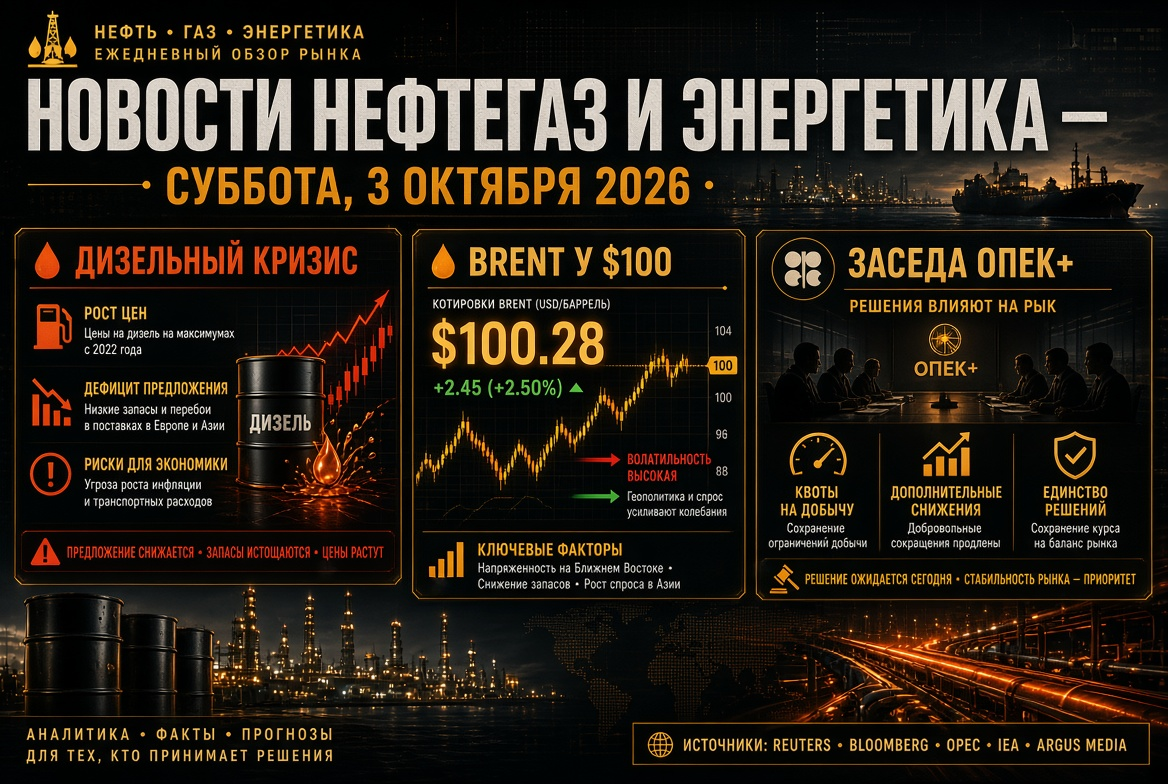
While the price of oil remains the central topic for the general public, the professional energy market is increasingly focusing on petroleum products and refinery throughput. It is here that tension is felt most acutely. Amidst reduced crude oil supplies and logistical disruptions, refining margins are rising, with diesel and jet fuel becoming the most sensitive segments.
- In Asia, the complex refining margin has soared to its highest levels in nearly four years.
- Some export-oriented refineries in the Persian Gulf region are reducing throughput due to restrictions on product exports.
- The diesel market appears particularly vulnerable to a prolonged crisis, given the limited flexibility for rapid output increases in other regions.
For refining, this creates a mixed picture. On one hand, independent and well-supplied refineries are achieving higher margins. On the other, companies reliant on Middle Eastern supplies are facing increased commodity risks, shortages of specific fractions, and rising working capital costs. Thus, the new week begins for the petroleum products market under conditions of tight price spreads and a nervous search for alternative suppliers.
Gas and LNG: Europe and Asia Compete for Volumes Once Again
On the gas market, the main tension surrounds liquefied natural gas (LNG). Supplies through key routes are under pressure, and Asia has started to actively pull cargoes towards itself. This swiftly alters the balance between European and Asian buyers, intensifying price competition.
For Europe, the situation does not appear to be critical at this time. Brussels confirms that there are no immediate risks to the physical safety of supplies, and the level of gas resilience remains acceptable due to stockpiles and market flexibility. However, what is crucial for investors is that even in the absence of immediate shortages, gas prices may remain elevated due to cargo redirection, rising freight costs, and a promptness premium.
- Asia is actively purchasing alternative LNG consignments.
- European buyers risk encountering more expensive inventory replenishment.
- The gas market is becoming closely linked to the oil market due to shared logistical and geopolitical premiums.
Electricity: Demand Grows Faster than System Nervousness Declines
The electricity sector is also entering a new week under increased load. In the US, the EIA expects new records in energy consumption in 2026 and 2027, driven by the growth of data centres, artificial intelligence, crypto infrastructure, and electrification. This is an important global signal: electricity is no longer just a background factor for the raw materials market but a fully-fledged driver in its own right.
For the global energy sector, this means that, despite volatility in oil and gas, the demand for stable generation remains high. Gas continues to play a key role in the energy balance, while the importance of grid infrastructure, flexible capacities, and efficiency-enhancing technologies is also increasing. In practice, this heightens interest in companies operating at the intersection of generation, transmission, and digital load management.
Renewable Energy Sources and Energy Transition: Long-term Trend Persists, but Market Demands Reliability
The current energy stress does not negate the transition to a more diversified energy supply model. Rather, for many countries, the events of March serve as a reminder that excessive concentration of routes and sources carries systemic risks. In these circumstances, renewable energy sources, energy storage solutions, grid modernisation, and distributed generation gain an additional strategic argument.
However, another aspect must also be considered: in times of crisis, the market is once again convinced that a rapid energy transition without a sufficient reserve base creates new vulnerabilities. Thus, it is not an ideological approach that wins today but a pragmatic model where renewable energy is complemented by gas generation, grid investments, reserve capacities, and flexible balancing mechanisms.
Coal Returns as a Safety Resource
Amidst gas and LNG tensions, certain countries are again increasing their focus on coal as a resource for energy security. This trend is especially noticeable in Asia, where summer demand for electricity is traditionally high, and the risk of expensive gas compels systems to rely on existing coal capacities.
This does not signify a reversal in the global energy transition; rather, it underscores an important fact: during instability, coal remains used as a tool for reliability. For the raw materials market, this supports prices for high-quality energy-grade coal and intensifies competition between gas, coal, and fuel oil in the electricity sector.
Implications for Investors and Energy Sector Participants
As of 16 March 2026, the global energy sector is living in multiple time horizons simultaneously. In the short term, the oil, gas, and petroleum products market is responding to logistics and supply security. In the medium term, the focus will shift to refinery margins, gas balance resilience, OPEC+ actions, and consumers' ability to adapt to high energy prices. In the long term, the crisis heightens interest in supply diversification, grid infrastructure, local refining, and hybrid generation.
- For oil companies, key factors include export flexibility and access to alternative infrastructure.
- For refineries, the crucial element is the availability of crude and the resilience of margins for diesel and aviation fuel.
- For gas and electricity companies, reliability of supplies, price risks, and investments in reserve capacities remain at the forefront.
The main takeaway for the energy sector as we head into Monday is that the energy market is once again trading based not only on fundamental supply and demand indicators but also on infrastructure resilience. Consequently, the oil and gas news at the start of the week will be determined not by Brent prices alone, but by the entire supply chain—from extraction and logistics to LNG, refineries, electricity, renewable energy sources, coal, and the final fuel costs for the global economy.