Oil, Gas, and Energy Sector News for Monday, 29 December 2025. Global Oil and Gas Markets, Electricity, Renewable Energy, Coal, Petroleum Products, and Refineries: Key Events, Trends, and Investor Expectations.
In this edition, we provide an overview of the key events in the fuel and energy complex (FEC) at the end of 2025 and the expectations of investors for 2026. Global oil, gas, and electricity markets are stabilising after a tumultuous year: following summer demand downturns, prices have begun to rise moderately. Geopolitical uncertainty persists, yet some optimists are hopeful for the easing of sanctions and the restoration of normal exports. Meanwhile, the trend towards increasing production and expanding "green" energy is gaining momentum, with coal and gas remaining significant for maintaining energy balance during peak loads.
Global Oil Market: Moderate Growth Amid Supply Surplus
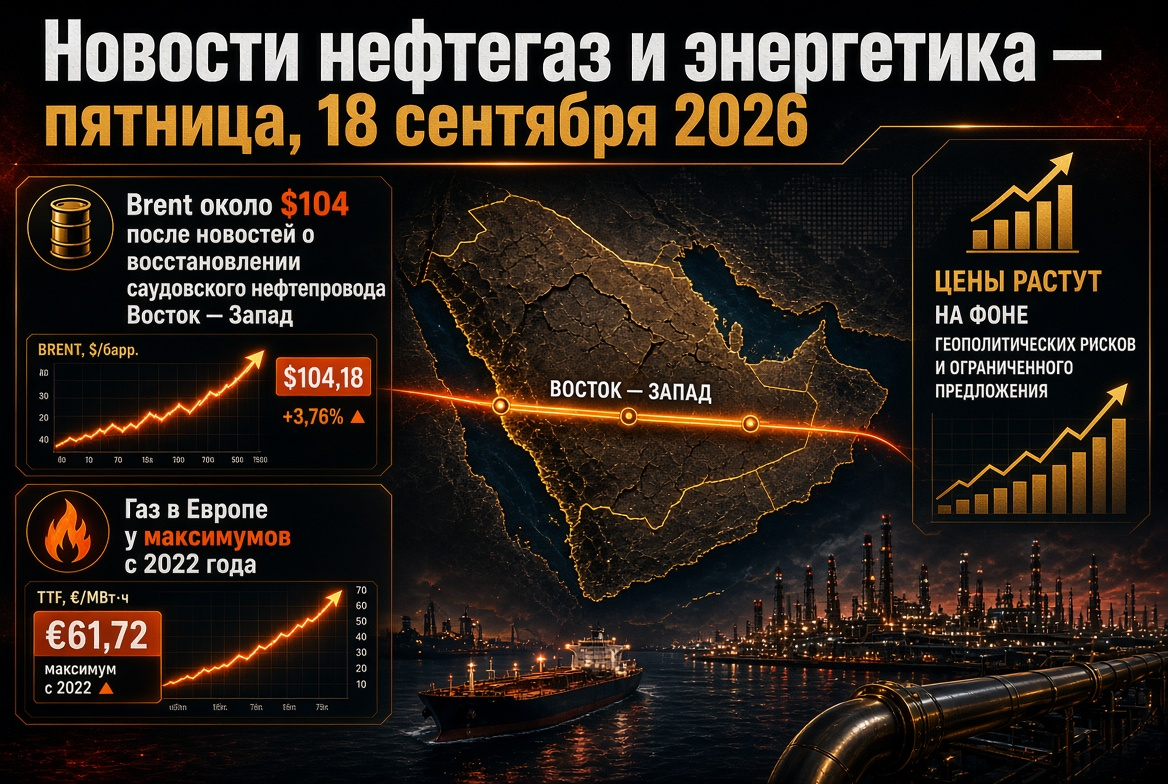
Brent is trading around $61–63 per barrel, with WTI at approximately $57–59, reflecting a decrease of 15–20% compared to a year ago. The oil market is demonstrating relative stability following reduced demand throughout 2025. Key influencing factors include:
- OPEC+ Policy: In late November, OPEC+ countries decided to maintain production at the levels established at the end of 2025, dismissing plans to increase quotas for Q1 2026. This decision led to limited price growth while keeping the alliance’s market share below historical highs.
- US Production Increase: Independent oil producers in the US are ramping up shale production, reaching nearly 13 million barrels per day. The surplus in supply is pressuring the prices of oil and petroleum products.
- Global Demand: Oil consumption is growing moderately (according to estimates from the IEA and OPEC, not more than +0.8–1.0% in 2025), which is substantially lower than the growth rates of 2023. A slowdown in economic growth and energy-saving measures are constraining the appetites of major consumers, especially in China.
- Geopolitics and Sanctions: The situations in the Middle East (attacks on oil facilities and escalation of conflicts) and Africa periodically cause price fluctuations, but the global market responds cautiously. Peace negotiations regarding Ukraine have generated optimism for the potential lifting of some sanctions; for now, Russian oil is being sold at a significant discount (Urals ~$40/barrel, considerably below Brent).
European Gas Market: Record Stocks and Sharp Demand Fluctuations
The European gas market enters winter with unprecedented high stocks in underground storage facilities, which has driven prices down to year-long lows (TTF dropped to ~$330/thousand m3, around €28/MWh). However, the New Year’s frost has intensified demand: withdrawals from storage have reached record levels, and prices have bounced back to around $345/thousand m3. Major trends include:
- Decline in Russian Imports: EU countries have largely ceased imports of Russian pipeline gas – Russia's share in imports has dropped to 10–15%. Alternative supplies have become the mainstay: LNG imports from the US, Africa, and the Middle East have increased, along with the activation of regasification infrastructure (new terminals are being commissioned in Germany and Spain).
- US-EU LNG Deal: The agreement for energy supplies valued at $750 billion for 2026–2028 is progressing slowly. Due to falling prices, the EU has reduced its purchases of American LNG (from September to December 2025, shipments to the EU from the US amounted to around $29.6 billion, significantly lower than annual commitments). Low prices have diminished economic motivation.
- Weather Risks: Even with high stocks, gas reacts to extreme cold. New price spikes could occur during prolonged cold spells. Additionally, environmental restrictions on production (emissions) are limiting gas production capacities in Europe.
- Asian Demand: China and India are actively importing LNG for winter needs. China is expanding its own production, yet remains the world's largest importer of gas and oil. India is increasing its purchases of cheap gas and oil from Russia, bolstering global demand.
Asia: Record Production in China and Growing Imports in India
- China: Domestic oil and gas production is hitting historical highs. By the end of 2025, oil production exceeded 4.3 million barrels per day, and gas production reached new peaks. Beijing is investing in the expansion of refineries and power generation capacities, reducing dependence on imports. The economic slowdown has limited domestic demand growth, yet China remains the world's largest buyer of energy resources.
- India: Despite US pressure and new restrictions, refineries continue to source Russian raw materials. In December, oil shipments from Russia to India are estimated at over 1.2 million barrels per day (after a record 1.77 million in November) – refineries hastened to secure cheap raw materials before new sanctions took effect. Modi and Putin’s negotiations reaffirmed the commitment to an energy partnership.
- South-East Asia: Countries in the region continue to build coal-fired power plants to support their industries. High demand for cheap electricity is delaying the phase-out of coal – new coal-fired power plants are being commissioned in Vietnam, the Philippines, and other countries.
Renewable Energy: Record Capacities and Investments
The trend towards "clean" energy is intensifying: in 2025, the world added record renewable energy capacities (~750 GW), and investments in "green" energy exceeded $2 trillion. New solar and wind power plants are providing a significant portion of electricity in many countries. At the same time, important aspects remain:
- Hybrid Systems: Despite the rapid growth of renewables, coal, gas, and nuclear power remain essential for the reliability of energy systems. Global energy consumption is still approximately 80% reliant on fossil fuels. During peak load periods (or during low wind/night generation), countries are compelled to activate gas or coal plants to avoid outages.
- Regional Characteristics: Leaders in renewable energy deployment are developed countries and China. The US and EU are introducing subsidy programmes to promote the accumulation and localisation of renewable energy equipment while maintaining strategic reserves of oil and gas to mitigate supply disruptions. China is simultaneously building hydropower and nuclear power plants to balance its energy system while continuing to expand hydrocarbon production.
- Electricity Market: Frequent "overproductions" of renewables lead to decreased electricity prices during peak hours (negative prices occasionally occur in Europe and China). The increase in the share of clean generation is driving the development of energy storage infrastructure and the upgrading of networks, as well as a carbon quota market to limit emissions. Overall, annual trends confirm a steady transition, but traditional thermal power plants will remain in the grid for the foreseeable future.
Coal Market: Stable Demand and Shifts Towards Greening
Coal continues to play a significant role in the energy balance. Global coal consumption reached a record ~8.8 billion tonnes in 2025, up 0.5% from 2024 levels. The primary growth is driven by Asia:
- China and India: These countries continue to burn coal actively for electricity generation and steel production. While some older mines are being closed, new large coal-fired power plants are being commissioned (in China, more than 50 GW of new projects). India is rapidly expanding coal generation to meet the surging demands of its economy.
- Exporters and Prices: Indonesia, Australia, Russia, and South Africa maintain high levels of production and supply. Prices for thermal coal have stabilised between $120–140/tonne (Newcastle index), which is below last year’s peaks but still ensures the profitability of the sector. Coal stocks at terminals for Asian importers are sufficient, preventing sharp price fluctuations.
- Developed Countries' Abandonment: In the US and Europe, coal generation is actively declining. Environmental restrictions and the growth of renewables have resulted in double-digit reductions in coal's share of the West's energy balance. However, globally, the greening trend is being offset by increasing demand in developing nations.
Russian Oil Product Market: Government Measures and Prices
In Russia, following the summer rise in gasoline and diesel prices, the government has taken measures to stabilise the market:
- Export Restrictions on Fuel: The ban on fuel exports, particularly gasoline and diesel for most companies (excluding government contracts), has been extended until the end of 2025. This has allowed the release of additional volumes in the domestic market and restrained the rise in wholesale prices.
- Price Dampeners: Starting 1 October 2025, the “norm deviation” for dampeners for gasoline and diesel is temporarily not considered. This has increased subsidies for oil refiners and lowered wholesale prices. For instance, in mid-December, the exchange price for AI-95 was found to be 8–10% lower than September peaks.
- Current Situation: Wholesale fuel prices are continuing to moderate, and there is no shortage in the market. Fuel stocks and refinery supplies ensure stability through January. Authorities consider the situation stable but are prepared to implement new measures should global prices rise.