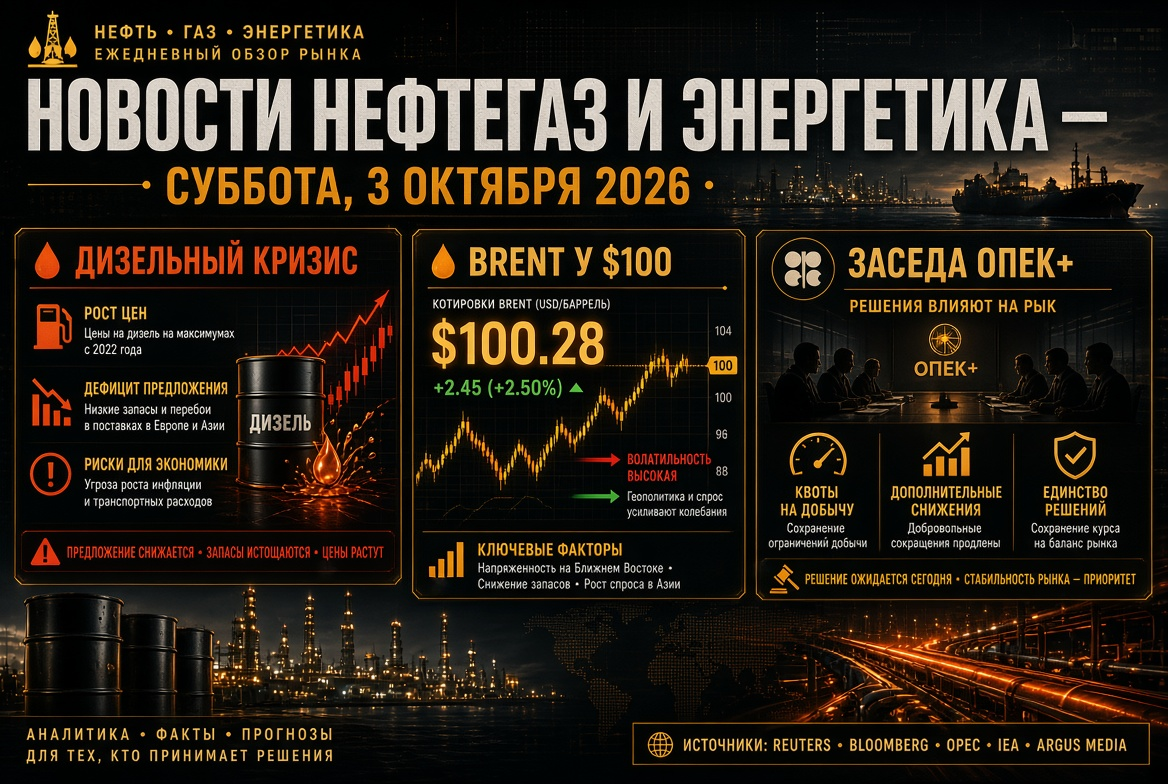
Current News in the Oil and Gas, and Energy Sector for Wednesday, June 24, 2026: The Strait of Hormuz, Oil, LNG, Refineries, Oil Products, Electricity, Renewable Energy Sources, Coal, and Key Risks in the Global Energy Market
The global energy market enters Wednesday, June 24, 2026, in a state of cautious stabilisation. The primary focus for investors, oil companies, fuel firms, and energy sector participants is the gradual restoration of movement through the Strait of Hormuz. Sporadic shipments of oil and LNG from the Persian Gulf are gradually returning to the market; however, logistical normalisation remains incomplete. This indicates that oil, gas, oil products, refineries, electricity, renewable energy sources, and coal continue to trade not only based on the fundamental balance of supply and demand but also on geopolitical premiums.
For a global audience, the key takeaway of the day is that the energy market has yet to revert to a familiar model. Even with the reduction of panic surrounding the Strait of Hormuz, participants in the energy sector are assessing not only current Brent and WTI quotes but also inventory depths, tanker fleet availability, LNG supply resilience, refinery operational conditions, and the ability of electricity grids to withstand peak summer demand.
Oil: The Strait of Hormuz Reduces Risk Premium, but the Market Does Not Consider the Crisis Over
The oil market greeted June 24 with a more tempered sentiment following signs of vessel movement recovery through the Strait of Hormuz. Some previously detained supertankers have been able to exit the region, and the market has begun to anticipate a gradual increase in shipments from the Persian Gulf. This has applied downward pressure on oil prices and reduced the short-term geopolitical premium.
However, it is important for investors to understand that the restoration of physical oil flows is not instantaneous. Even if the diplomatic backdrop improves, the market requires time to:
- Clear logistical bottlenecks;
- Return insurance rates to normal levels;
- Restore regular tanker schedules;
- Reboot contractual chains among producers, traders, and refineries;
- Replenish oil and oil product inventories.
For oil companies, this indicates a mixed picture: prices may decrease as fears of shortages dissipate; however, the physical market remains strained. Asian refineries, European crude buyers, and firms operating with long marine logistics remain particularly sensitive to these developments.
LNG and Natural Gas: Cautious Return of Qatari Tankers
The gas market is also keeping a close watch on the Strait of Hormuz. The return of a portion of Qatari LNG tankers has sent a significant signal to both Asia and Europe. Qatar remains one of the world’s key exporters of liquefied natural gas, so any disturbances in the Persian Gulf region immediately impact LNG prices, forward contracts, and expectations for the winter season.
Three key factors are currently relevant for the global gas market:
- LNG Logistics. The partial restoration of movement through the Strait of Hormuz decreases the risk of a sharp price spike but does not eliminate the caution amongst shipowners and insurers.
- European Gas Storage. Europe is entering the summer injection period, and any disruptions in LNG supply increase competition with Asia.
- Asian Demand. Heatwaves in China, India, Japan, South Korea, and Southeast Asia continue to support demand for gas-fired generation.
For investors involved in gas infrastructure, LNG projects, and energy companies, this maintains a level of volatility. Natural gas is increasingly becoming a strategic resource for balancing electricity supply, industrial needs, and climate risks.
Refineries and Oil Products: Refining Margins Remain a Key Focus
Refining remains one of the most sensitive segments of the global energy market. Even as oil gradually returns to the market, refineries are facing a separate challenge: the supply of oil products is recovering more slowly than crude deliveries. Diesel, gasoline, aviation fuel, and bunkering fuel remain particularly critical.
The following risks persist within the oil products market:
- Low commercial inventories of diesel and gasoline in certain regions;
- Increased seasonal fuel demand during the summer;
- Deferred maintenance and unscheduled refinery outages;
- Elevated freight and insurance costs;
- Export restrictions in countries experiencing domestic shortages.
For fuel companies, this creates conditions under which margins can remain high even amid declining crude prices. For consumers and industry, this scenario indicates that a drop in Brent prices does not always translate quickly into lower prices for diesel, gasoline, and other oil products.
Russia and the Fuel Market: Local Shortages Heighten Global Nervousness
The Russian oil product market continues to attract attention due to reports of regional fuel sale restrictions, queues at petrol stations, and potential stabilisation measures in the domestic market. This factor is important for the global energy sector, not only as a local issue but also as a component of the global balance of diesel, gasoline, and oil product exports.
Russia remains a major oil producer and supplier of oil products to global markets. Therefore, any disruptions at refineries, export limitations, or changes in tax regimes can affect buyers in Turkey, Brazil, Asia, Africa, and the Middle East. For oil companies and traders, this signifies an increased emphasis on alternative routes, stocks, and contractual flexibility.
Electricity: Heatwaves Transform Energy Systems into Main Risk Indicators
Electricity has become a central theme in the global energy landscape. Summer heatwaves in Europe and Asia are elevating demand for cooling, industrial plant chilling, data centres, and urban infrastructure. Amidst this, energy systems are experiencing dual pressures: demand is surging, while generation may decline due to heat, low wind output, water resource limitations, and equipment maintenance.
Particularly crucial factors for the electricity market include:
- Peak loads in the evening hours;
- Availability of gas and coal generation;
- Operation of nuclear power plants under high temperature conditions;
- The condition of grids and intersystem transfers;
- Energy storage capacity.
Investors are increasingly viewing electricity not just as a secondary sector but as a core infrastructure component of the new economy. Artificial intelligence, data centres, electric vehicles, industrial automation, and cooling are shaping long-term demand for generation and networks.
Renewable Energy Sources and Storage: Solar Energy Grows, but the Market Requires Flexibility
Renewable energy continues to demonstrate structural growth, particularly in the solar generation segment. However, events of June illustrate that merely increasing installed renewable energy capacity is insufficient. For a resilient energy system, storage, flexible networks, backup generation, and digital load management are essential.
In Europe, the development of battery storage systems is accelerating. This is linked to the increasing share of solar and wind generation as well as the necessity to smooth out periods of excess and deficit in electricity supply. This opens several pathways for investors:
- Large industrial batteries for energy systems;
- Storage systems at solar and wind power plants;
- Digital demand management;
- Balancing capacities for electricity markets;
- Infrastructure for integrating renewable energy sources into industrial regions.
At the same time, the renewable energy market is confronting new constraints: high costs of capital, limited grid connections, competition for equipment, and political disputes over subsidies. Consequently, future winners may include not only producers of solar panels and wind turbines but also companies managing networks, storage solutions, and demand forecasting.
Nuclear Energy: Base Load Power Returns to the Investment Agenda
Nuclear power is re-entering the centre of global investment discussions. Against the backdrop of rising electricity demand, growth of data centres, and the need for low-carbon base load generation, governments and corporations are increasingly viewing nuclear power plants as a long-term source of stable output.
In the United States, support is growing for new large reactors and the revival of the nuclear supply chain. Concurrently, corporate electricity buyers are signing long-term contracts for nuclear generation supply for warehouses, data centres, and industrial sites. This serves as an important signal for the market: base load electricity is once again becoming a premium asset.
For energy investors, this indicates that competition among gas, renewable energy, coal, and nuclear generation is entering a new phase. The primary question is no longer just the cost of megawatt-hours but also the reliability of supply, resilience to weather risks, and the ability to ensure round-the-clock load.
Coal: Backup Resource Remains In Demand in Asia
Despite the growth of renewable energy and gas, coal remains an important element of the energy balance in Asia. Heatwaves, increased electricity consumption, and limited availability of LNG during periods of price volatility continue to bolster demand for coal generation. This is particularly evident in countries where electricity networks are rapidly expanding, and new gas capacities and storage solutions cannot keep pace with demand.
The key drivers for the coal market continue to be China, India, and Southeast Asia. However, long-term, the sector faces pressures from climate policies, funding restrictions, and increasing emissions requirements. As a result, coal is increasingly viewed not as a growth sector but as a tool for energy security and backup capacity.
What to Watch for Investors and Energy Sector Companies
Wednesday, June 24, 2026, shows that the global energy market remains in a transitional state. The Strait of Hormuz is partially reinstating oil and LNG into global trade, but the market has yet to receive confirmation of full normalisation. Refineries and oil products remain vulnerable, electricity prices rise amid the heat, and renewable energy requires accelerated development of storage and networks.
Investors, oil companies, fuel firms, and energy market participants should monitor the following indicators:
- Actual tanker traffic volumes through the Strait of Hormuz;
- Prices of Brent, WTI, LNG, and European gas;
- Inventories of oil, diesel, gasoline, and aviation fuel;
- Refinery margins in the US, Europe, Asia, and the Middle East;
- The condition of electricity grids during summer heat;
- Growth rates of renewable energy, batteries, and nuclear generation;
- Government decisions regarding fuel exports, subsidies, and reserves.
The primary conclusion for the global energy market: the price of oil is no longer the sole barometer of the energy sector's state. In 2026, investors must simultaneously analyse oil, gas, LNG, refineries, oil products, electricity, renewable energy sources, coal, and infrastructure. It is at the intersection of these segments that a new energy reality is forming, where companies with access to resources, flexible logistics, resilient networks, and the ability to swiftly manage risks will prevail.