Oil and Gas and Energy News for Wednesday, 1 July 2026: Oil Loses Risk Premium, LNG Market Remains Sensitive to Logistics, Refineries and Oil Products Come into Focus for Investors, and Power Grids Become a Key Asset in Global Energy
The global fuel and energy sector enters July 2026 amidst a rapid reassessment of risks. Following several months of high volatility, the oil, gas, electricity, renewable energy, coal, oil products, and refining markets are shifting focus from the panic surrounding supply disruptions to a more pragmatic evaluation of balances, logistics, inventories, and investment cycles. For investors, participants in the fuel and energy sector, and oil companies, the key question for Wednesday, 1 July 2026, is: how sustainable is the decline in geopolitical risk premium, and will the recovery of supplies lead to a new surplus of raw materials?
The main theme of the day is the normalisation of the oil market following the shock around the Strait of Hormuz. Brent and WTI have returned to levels close to those prior to the escalation of the Middle Eastern conflict; however, the physical market remains heterogeneous: oil prices are falling, LNG continues to be sensitive to logistics, oil products are facing pressure from refineries and inventory stocks, while power generation increasingly depends on grid infrastructure and demand from data centres.
Oil: Market Removes Risk Premium but Does Not Eliminate Risk Completely
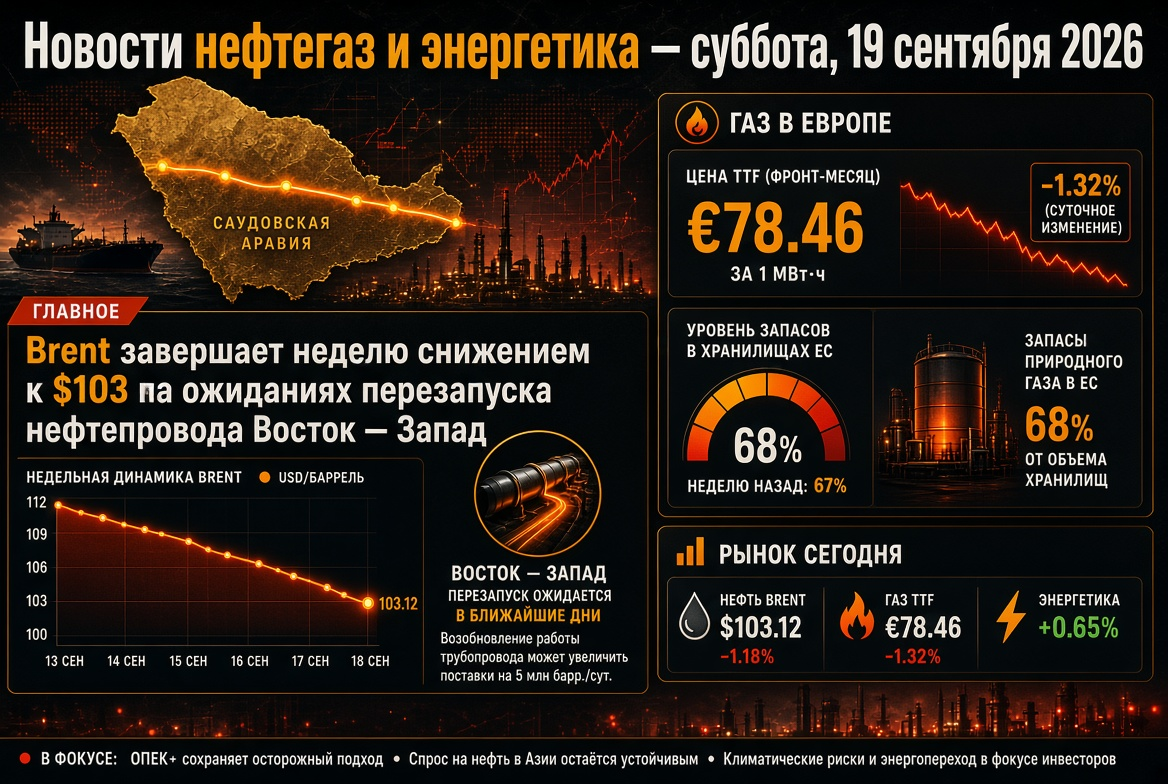
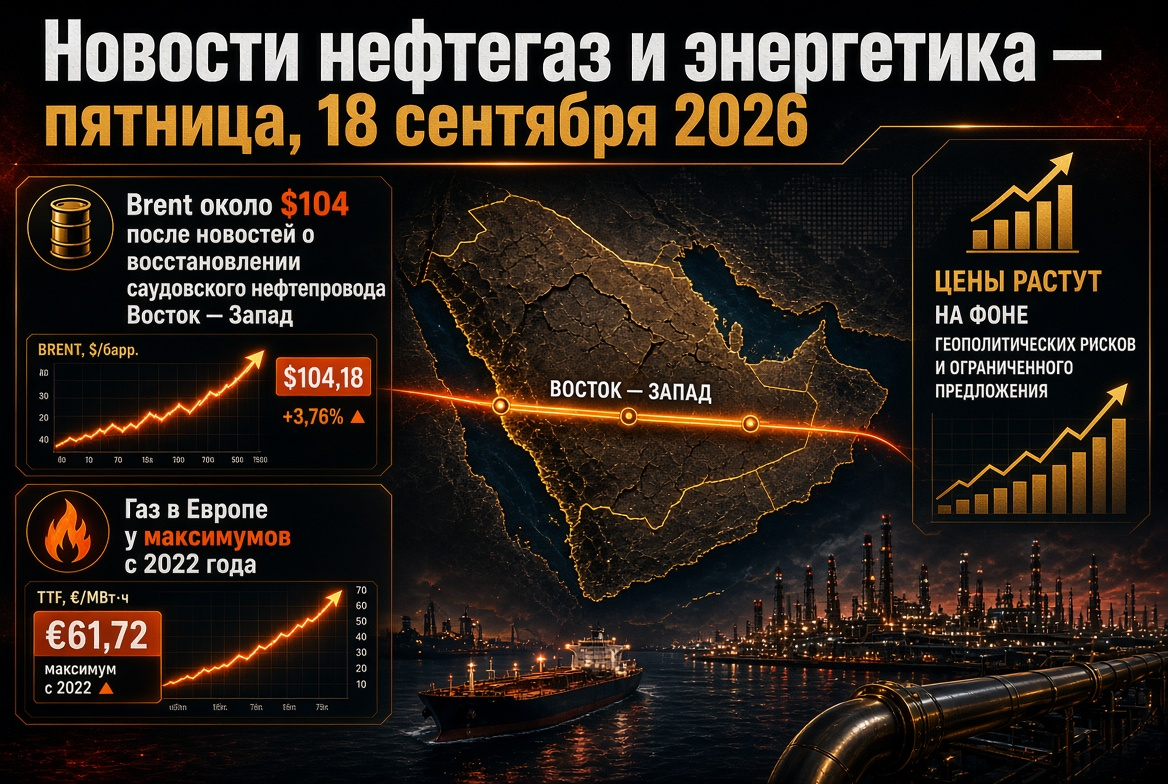
A new short-term logic has emerged in the oil market: traders have stopped evaluating oil solely through a scarcity scenario and have begun to factor in the recovery of maritime flows, increased supply, and weakened demand. Brent is trading in the low $70s per barrel, while WTI remains below the psychological mark of $70. This is an important signal for the oil market: a barrel no longer reflects a stressed scenario of total blockage of key routes.
However, the decline in prices does not equate to the disappearance of fundamental risks. Key points of focus include:
- the pace of export recovery from the Persian Gulf;
- the dynamics of commercial oil inventories in the US, Europe, and Asia;
- the OPEC+ stance on further production increases;
- the state of demand in China, India, the US, and Southeast Asian countries;
- refinery margins for diesel, jet fuel, and gasoline.
For oil companies, the current situation is dual-faceted. On the one hand, lower prices limit cash flow and may restrain capital expenditures. On the other hand, stabilisation in logistics reduces insurance premiums, freight costs, and uncertainty around export schedules.
OPEC+ and the Persian Gulf: The Fight for Market Share Returns
OPEC+ enters July with an additional increase in target production quotas. This is an important indicator for investors: the cartel and its allies are increasingly focused on restoring market share rather than protecting extremely high prices. Following a period where physical constraints hindered several producers from fully meeting their targets, the real, rather than paper, supply question comes to the forefront.
A separate factor is the record export volumes from the UAE. Increased supplies from the region intensify competition for Asian buyers, particularly in the markets of India, China, South Korea, and Japan. This positively impacts refiners: an expanded range of oil grades enhances the bargaining position of refineries. Conversely, for exporters, this means a tougher battle for premiums to benchmarks and long-term contracts.
For Wednesday, 1 July, the key scenario appears as follows: if supplies through the Strait of Hormuz continue to recover, the oil market may transition from fears of scarcity to discussions of surplus supply in the second half of 2026.
Gas and LNG: The Market is More Resilient, but Asia and Europe Remain Vulnerable
The global gas and LNG market remains one of the most sensitive segments of the fuel and energy complex. Shell predicts that global LNG trade in 2026 may remain roughly at 2025 levels, despite previous growth expectations. The reason lies in logistical disruptions, cautious purchasing behaviour, and the high cost of flexibility. For Europe, LNG remains a safety net for energy security, while for Asia, it serves as a means to replace coal and support rising electricity demand.
Three geographic centers are particularly significant:
- Europe — requires stable LNG supplies for filling storage and balancing renewable energy sources.
- South and Southeast Asia — remain a long-term demand driver, but are price-sensitive.
- North America — gains a strategic advantage due to new liquefaction capacities and export infrastructure.
For gas companies, this indicates a sustained investment interest in LNG projects, regasification terminals, fleets, trading, and long-term contracts. For investors, the key takeaway is that gas is becoming not just a transitional fuel, but a component of energy security in a system where the share of renewable energy sources is growing.
Oil Products and Refineries: Refining Shortages Are More Important Than Crude Oil Prices
A decline in oil prices does not automatically result in cheaper oil products. In 2026, the market increasingly assesses not just the cost of raw materials, but also the availability of refining capacity. Refineries are facing maintenance issues, logistical disruptions, export restrictions, and regional imbalances in gasoline, diesel, jet fuel, and fuel oil.
The situation in the Russian fuel market is particularly noteworthy, where supply constraints and delivery disruptions are intensifying pressure on independent filling stations and wholesale channels. For the global market, this is significant not only as a local factor but also as part of a broader picture: attacks on infrastructure, delays in supply, and reductions in fuel availability make oil products an independent source of inflationary risk.
For fuel companies and traders, priority areas include:
- controlling the physical availability of fuel;
- diversifying suppliers of oil products;
- storage at oil depots and terminals;
- operational logistics for auto and rail shipments;
- managing price risks for diesel and gasoline.
Electricity: Grids Become the New Bottleneck in Energy
Power generation is increasingly taking centre stage in the investment agenda. Growth in consumption from data centres, electric vehicles, industrial systems, cooling systems, and digital infrastructure creates a load that generation cannot meet without modernising the grids. The UK is already assessing the need for tens of billions of pounds of investment in grid infrastructure for the 2030s, with similar challenges facing the US, Europe, India, and China.
For electricity investors, the main criterion is changing: not just the price of megawatt-hours is important, but also the speed of connecting to the grid. Projects with access to grid capacity, clear regulations, and the ability for rapid implementation command a premium. This applies to gas generation, solar power plants, energy storage, hybrid projects, and industrial microgrids.
Renewable Energy: Growth Continues, but the Market Becomes More Selective
The renewable energy sector continues to exhibit strategic growth, yet it is becoming less homogeneous. In China, a significant placement from China Resources New Energy is in preparation, highlighting the high capital interest in solar and wind generation. In Southeast Asia, including the Philippines, high electricity tariffs are accelerating demand for distributed solar generation and batteries.
However, investors are paying closer attention to constraints:
- grid overload and connection delays;
- declining electricity prices during high generation hours for renewables;
- dependency on Chinese inverters, panels, and components;
- regulatory risks in the US and Europe;
- the need for energy storage to enhance the systemic value of projects.
Thus, while renewables remain a growing sector, capital is increasingly choosing not just "green" assets, but projects with grid access, contracted revenue, manageable equipment, and protection from price cannibalisation.
Coal: China Plays a Dual Role — Leader in Renewables and Largest Coal Consumer
The coal market remains contradictory. China is simultaneously increasing its solar and wind generation while maintaining a high reliance on coal power. Hot weather, growing industrial demand, transport electrification, and constraints on gas generation support the use of coal in the energy balance.
For the global market, this indicates that coal is not disappearing from the energy landscape quickly, despite political decarbonisation goals. In Asia, coal remains a reliability reserve, especially where LNG is expensive, hydroelectric power depends on weather, and grids are not ready to accommodate large volumes of variable renewable generation.
Biodiesel and Alternative Oil Products: Indonesia Tests the Limits of B50 Economics
Indonesia is launching a more ambitious B50 mandate, which incorporates a high share of palm biodiesel in the fuel mix. This is an important experiment for the oil products market: the country is attempting to reduce its dependence on diesel imports, but the economics of the project depend on the price relationships between oil, diesel, and palm oil.
If oil remains below previous peaks and plant-derived raw materials are expensive, subsidising biodiesel becomes increasingly costly. For investors, this serves as a reminder: the energy transition in oil products depends not only on policy but also on raw material economics.
What Matters for Investors and Energy Sector Participants on 1 July 2026
Wednesday, 1 July 2026, becomes a day for reassessing the new energy balance. Oil prices are declining amidst a reduction in risk premium; however, oil products and refineries remain vulnerable. Gas and LNG demonstrate resilience, but logistics and pricing continue to pressure Europe and Asia. Electricity and renewable energy are transitioning into a phase where the key asset is not just generation, but also infrastructure.
Investors should monitor five indicators:
- the dynamics of Brent and WTI following the completion of the June decline;
- actual oil supplies from the Persian Gulf;
- the fill levels of gas storage in Europe and LNG prices in Asia;
- refinery margins for diesel, gasoline, and jet fuel;
- investments in electricity grids, energy storage, and rapid connections to capacity.
The main takeaway for the global fuel and energy sector is that the energy market is no longer propelled solely by oil prices. In 2026, key factors include physical logistics, refining capacities, access to grids, gas flexibility, the resilience of LNG, and the ability of companies to quickly adapt to new routes, new technologies, and new regulatory constraints.