Current Cryptocurrency News for Sunday, 15 March 2026. Bitcoin, Ethereum, Major Altcoins, Institutional Demand, and Key Trends in the Cryptocurrency Market for Investors
For the global audience of investors, it is particularly significant that the digital asset market is no longer viewed as solely a speculative tale. Major capital is now assessing cryptocurrencies as a distinct asset class with its own logic of demand, liquidity, and risk. Nonetheless, volatility remains high, meaning any movement in Bitcoin, Ethereum, and the largest altcoins continues to rapidly redistribute interest across market segments.
Bitcoin Remains a Capital Magnet
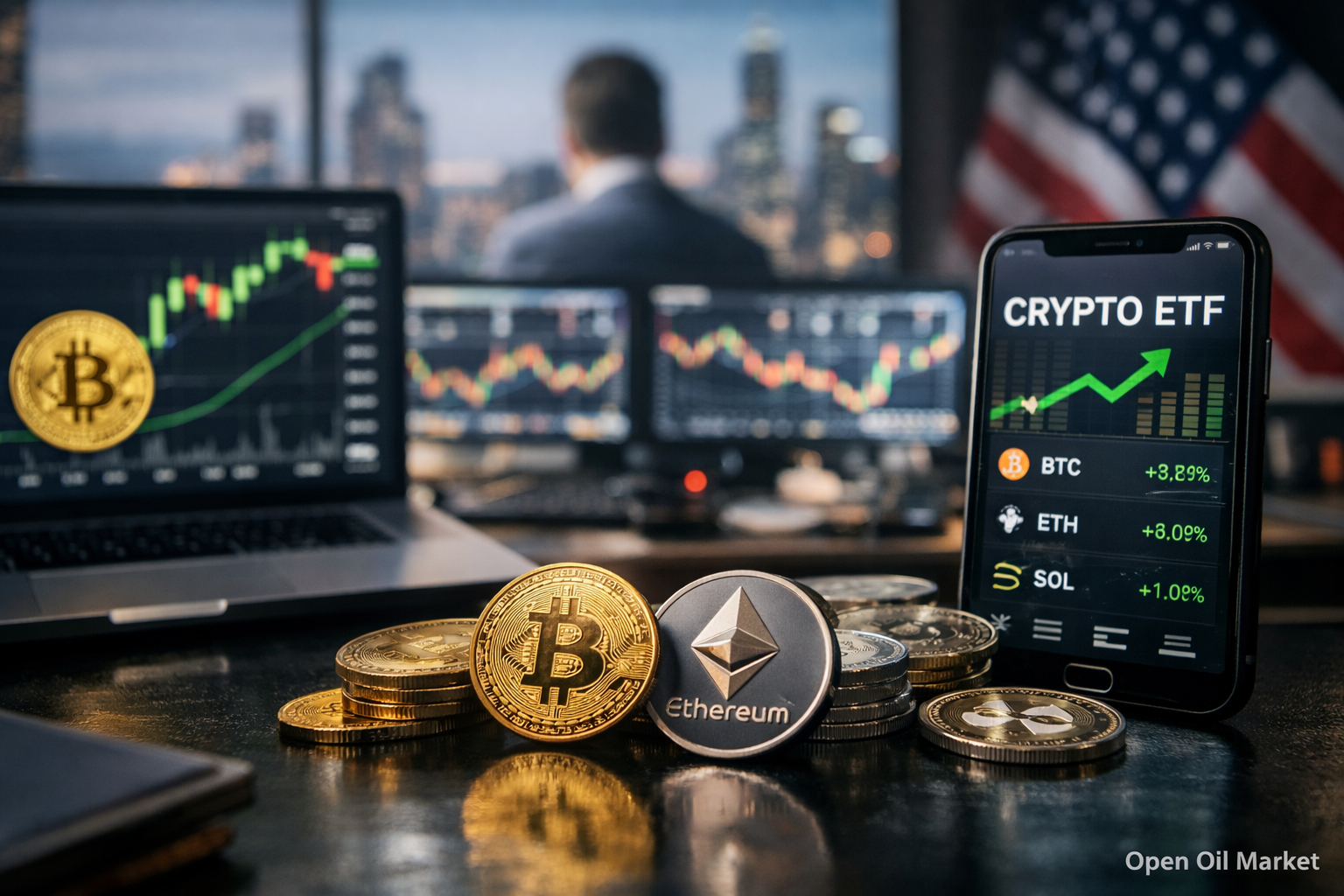
The central narrative of recent days has been Bitcoin's strengthening amid a recovery in risk appetite and sustained attention from institutional investors. This is critically important for the global market, as Bitcoin sets the direction for the entire crypto industry: when it stabilises, investors begin actively seeking opportunities in Ethereum, Solana, XRP, and other significant assets.
The current landscape indicates that the market is once again closely monitoring:
- the dynamics of inflows into spot Bitcoin ETFs and similar instruments;
- the cryptocurrency market's reaction to macroeconomic signals from the US and Europe;
- the diminishing pressure from prior overheated speculative positions;
- changes in the behaviour of institutional and retail investors.
For investors, this signifies that Bitcoin remains the primary indicator of confidence in the digital asset sector. If the market maintains demand for the largest asset, cryptocurrencies as a whole have the potential for a broader recovery.
Ethereum Strengthens Its Status as a Core Asset in the Crypto Economy
Ethereum maintains its position as the second most significant digital asset and is gradually regaining attention from long-term investors. While Bitcoin is perceived as the primary reserve asset of the crypto market, Ethereum continues to serve as the infrastructural foundation for a substantial portion of the blockchain economy: decentralised finance, tokenisation, stablecoins, and numerous practical solutions.
The importance of Ethereum in the global market is defined by several factors:
- its role in the smart contract ecosystem;
- the sustained interest from institutional structures;
- its influence on the valuation of the entire Web3 sector;
- its ability to serve as a benchmark for more risky altcoins.
Practically, this means that Ethereum's dynamics in the coming weeks will be perceived as a marker of market maturity. If ETH maintains demand and liquidity, it boosts confidence across the segment of major platform cryptocurrencies.
Altcoins: The Market is Becoming More Selective
One key characteristic of March 2026 is not just the rising interest in altcoins, but a stricter selection within this segment. Investors are no longer willing to indiscriminately buy the entire market. Capital is concentrating in projects that offer clear liquidity, ecosystem scale, a strong brand, or specific investment stories.
Among the largest altcoins, the following trends are particularly noteworthy:
- Solana – positioned as a bet on high throughput and an active ecosystem;
- XRP – an asset sensitive to institutional and payment narratives;
- BNB – part of a major global crypto infrastructure;
- TRON – a significant element in stablecoin circulation and transactional activity;
- Cardano and other major networks – viewed as more selective ideas for medium-term positioning.
This represents an important shift for the global crypto industry: the market is gradually moving away from a "rising tide lifts all boats" model to one where capital prefers liquid and relatively understandable stories.
Inflow into ETFs and Exchange Products Influences the Market Again
The institutional aspect deserves special attention. For cryptocurrencies in 2026, this is becoming the main factor for reassessment. When sustainable inflows return to ETFs and other regulated instruments, it diminishes the sense of isolation for crypto assets and strengthens their connection to the global capital management system.
For investors, the significance of this trend includes:
- a reduced dependence on retail demand;
- improved liquidity quality in major assets;
- Bitcoin and large cryptocurrencies receiving additional legitimacy in portfolio strategies;
- volatility persisting but becoming more connected to macro factors and capital flows.
Therefore, the cryptocurrency news on 15 March 2026 should not be viewed in isolation from the global investment market. For many funds, cryptocurrencies have already become part of a broader discussion surrounding risk, return, and diversification.
Regulation Remains a Major Driver of Sentiment
The second crucial narrative is the regulation of cryptocurrencies and stablecoins. Investors worldwide continue to monitor how quickly the major jurisdictions can establish predictable rules. For the industry, this is not only a matter of oversight but also the pace of scaling.
The market is currently assessing regulation on two fronts:
1. Rules for Crypto Assets
Market participants are awaiting greater clarity concerning the status of tokens, platform requirements, the circulation of investment products, and disclosure principles.
2. The Future of Stablecoins
Stablecoins are increasingly perceived as a bridge between traditional finance and the crypto economy. The way these instruments are regulated will affect the speed of institutional adoption of digital assets.
For investors, this means that the regulatory agenda can both support a new phase of market growth and provoke local periods of uncertainty.
Security Risks Are Back in Focus
Despite improvements in infrastructure quality, the crypto market still faces serious security risks. After significant industry losses last year, investors have become more vigilant not only in assessing token growth prospects but also the resilience of exchanges, wallets, bridges, and custodial services.
Against this backdrop, it is crucial for investors to adhere to basic rules:
- avoid excessive concentration of funds on one platform;
- utilise multi-factor protection and hardware wallets for long-term storage;
- evaluate not just the token but also the infrastructural risk surrounding it;
- be mindful of the risks of fraud and social engineering.
For the global market, this signifies that security is no longer an ancillary issue. It directly influences the risk premium, sector valuation, and the willingness of significant capital to enter the industry.
Top 10 Most Popular Cryptocurrencies
The largest digital assets remain in the global spotlight for their capitalisation and liquidity. These assets make up the primary demand structure, define market benchmarks, and are most frequently utilised in institutional and retail strategies.
- Bitcoin
- Ethereum
- Tether USDt
- BNB
- XRP
- USDC
- Solana
- TRON
- Dogecoin
- Cardano
For investors, this list is important not only as a popularity ranking but also as a map of the current capital distribution in the crypto economy. It illustrates that the market combines reserve assets, infrastructural blockchains, payment solutions, and significant stablecoins.
What This Means for Investors on 15 March 2026
The cryptocurrency market enters Sunday with a more constructive sentiment than a few weeks prior; however, it is premature to declare a complete disappearance of risks. Bitcoin continues to set the tone for the entire sector, Ethereum retains its role as the infrastructural leader, while altcoins are competing for capital with increasing intensity.
The key takeaways for investors are as follows:
- Bitcoin remains the primary indicator of market strength;
- Institutional demand via ETFs supports the sector;
- Altcoins may exhibit leading dynamics, but selection must be precise;
- Regulatory decisions and security remain critical variables;
- The global crypto market is increasingly integrated into the overall macroeconomic landscape.
If the current backdrop persists, cryptocurrency news in the coming days will increasingly revolve around two themes: whether Bitcoin can solidify its recovery amid global risk demand and whether capital will begin to flow more broadly into major altcoins. For market participants, this is not merely an informational backdrop, but a basis for investment decisions in the week ahead.