Global Cryptocurrency News, Sunday, 28 December 2025: Bitcoin on the Brink of $90,000, Altcoins and Market Sentiments, Institutional Trends, and the Top 10 Cryptocurrencies
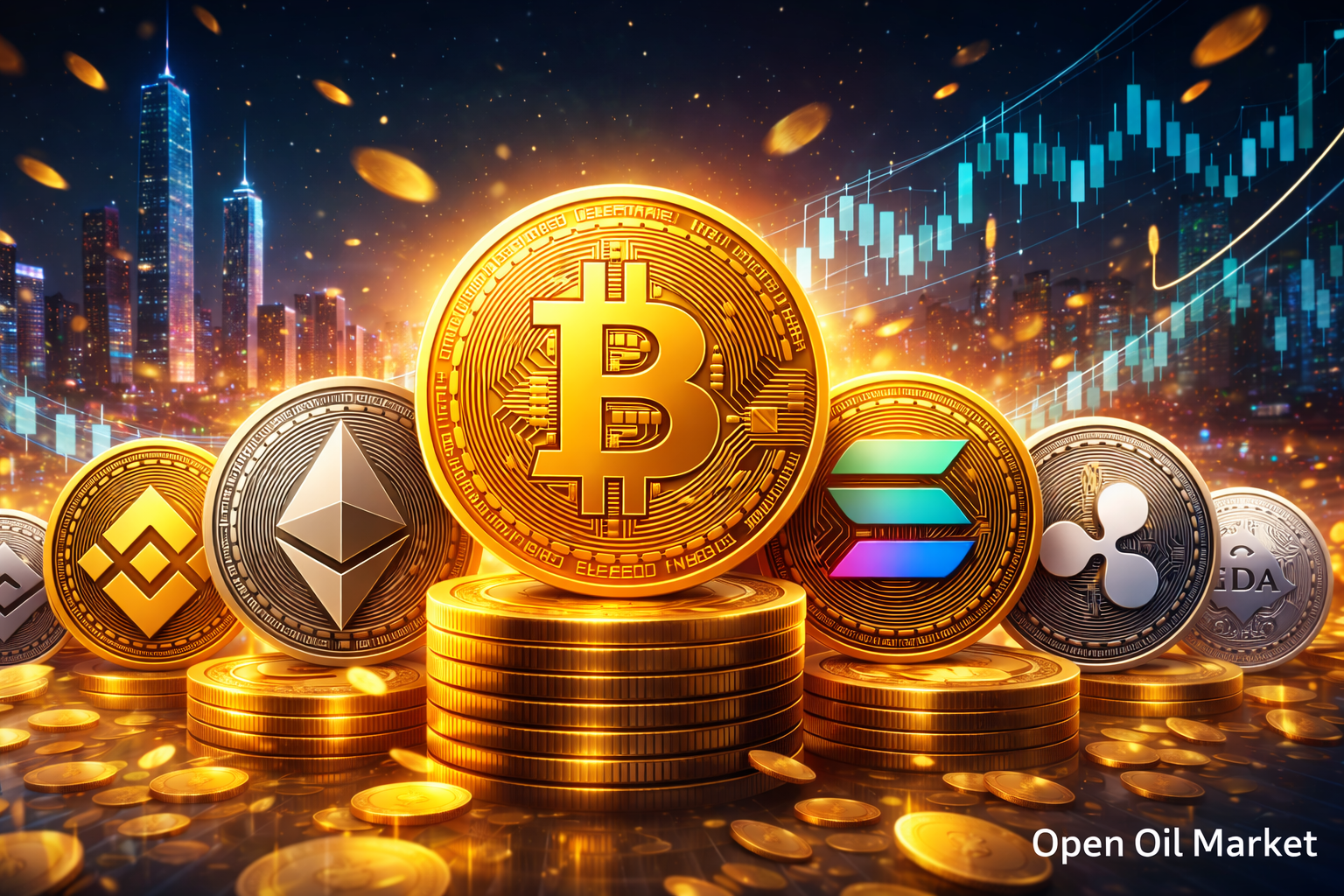
Current cryptocurrency news as of 28 December 2025: The digital asset market is consolidating in the final days of the year. Bitcoin remains close to the $88,000 mark, displaying resilience despite recent fluctuations. Major altcoins, including Ethereum, are gradually reclaiming positions after a volatile start to the week; many digital assets from the top 10 are showing moderate growth. Both retail and institutional investors are exhibiting cautious optimism, relying on an improved regulatory environment and sustained interest from major players in crypto assets.
Cryptocurrency Market: Consolidation Towards Year-End
The global cryptocurrency market is approaching the end of 2025 with a total capitalization of around $3 trillion, just below record levels reached during this year's rally. In recent days, there has been a slight decline in prices (about 1% per day on 27 December), reflecting investor caution ahead of the New Year celebrations. Trading volumes remain subdued due to the holiday lull, and market volatility is restrained amidst low liquidity. The Cryptocurrency "Fear and Greed" Index has dipped into the "fear" zone, signalling a prevailing sense of caution among participants. Nonetheless, compared to the beginning of the year, the market has displayed significant growth (Bitcoin has gained over 100% throughout the year), despite the recent correction. Investors are carefully assessing prospects as 2026 approaches, favouring a wait-and-see approach until new signals emerge.
Bitcoin: Consolidation Below $90,000 After Record Rally
The leading cryptocurrency Bitcoin (BTC) is currently trading relatively steadily, holding within the $87,000 to $89,000 range as it approaches the psychologically significant $90,000 level. In autumn, BTC reached an all-time high of approximately $126,000 (in October 2025), but by December, it retreated about 30% from that peak. Such corrections are not new for Bitcoin: in previous cycles (2017, 2021), following rapid price increases, declines of 30-50% occurred before eventual recoveries. The current decline is largely explained by profit-taking and a reduction in leverage within the market: many traders and funds have lowered their risk positions amidst partial capital outflows.
The end of this week marked the largest-ever expiration of cryptocurrency options contracts. On 26 December, options totalling around $28 billion (including approximately $23.7 billion related to Bitcoin) expired, leading to increased short-term volatility and keeping Bitcoin's price near critical strike levels. After the expiration date, pressure eased somewhat: analysts note that significant options expirations often result in neutral or moderately positive dynamics, as the market frees itself from constraining factors. Currently, key support for Bitcoin is in the $85,000 to $87,000 region, while resistance is found around $90,000 to $93,000. A confident breakthrough above $90,000 could pave the way for new peaks (many anticipate a move towards $100,000), yet buyers are acting cautiously for now.
On-chain metrics are revealing a healthy picture. The influx of Bitcoins onto exchanges from large holders (the so-called "whales") is at a minimum for the current cycle, indicating the absence of panic selling from long-term investors. The supply of stablecoins in the market has reached record levels (approximately $300 billion in total), reflecting the presence of a significant amount of "dry powder"—capital waiting for an opportune moment to enter the market. These factors instil confidence that after this consolidation phase, Bitcoin can stabilise and resume growth as market conditions improve.
Ethereum: Network Activity at a High, Price Lags
The second-largest cryptocurrency, Ethereum (ETH), is holding around the $2,900 to $3,000 mark, remaining approximately 35-40% below its peak in 2025. Ethereum's price dynamics have lagged behind Bitcoin in recent months (the ETH/BTC pairs have decreased, reflecting a partial capital flow into BTC), yet the fundamental metrics of the Ethereum network have hit records. Recent protocol updates (including the activation of the Dencun upgrade package featuring Proto-Danksharding technology) have increased the network's throughput and reduced fees, which has stimulated growth in usage. In December, the Ethereum network recorded a historic high of daily activity: approximately 1.9 million transactions were processed within a 24-hour period, with average fees below $0.20. This surge in on-chain activity has been significantly driven by increased operations involving stablecoins and on decentralised exchanges (DEX), showcasing robust demand for the Ethereum platform for financial applications.
Despite the improved network metrics, market factors continue to apply pressure on ETH's price. Similar to Bitcoin, significant volumes of Ethereum options are expiring this week (about $6 billion), and the market is influenced by these derivative levels. Moreover, many ETH holders are still facing losses compared to this year's peak prices, which limits short-term optimism. Nevertheless, Ethereum has shown a minor increase (~4%) over the past week, recovering from recent local lows. Experts highlight that ETH's further dynamics will hinge on the inflow of capital into the cryptocurrency sector at the start of 2026: if Bitcoin stabilises, investors may once again turn their attention to Ethereum as a foundational asset in the decentralised finance ecosystem.
Altcoins: Mixed Trends Among Leading Coins
The altcoin segment is exhibiting mixed dynamics: some leading coins are rising steadily, while others are stagnating. Investors are reassessing their portfolios, betting on projects with the strongest fundamental indicators. Here are some notable movements and trends among the top altcoins:
- Solana (SOL) – One of the brightest "stars" in recent years. The high-speed Solana blockchain is attracting developers and users, allowing the coin to confidently enter the ranks of market leaders. Currently, SOL trades around $125 (with a market capitalisation of approximately $70 billion) and has grown nearly 900% over the past three years, significantly outpacing Bitcoin's growth. Solana has recovered its position after last year's technical issues and is perceived by some investors as a potential competitor to Ethereum due to its high network throughput.
- XRP (Ripple) – The token of the Ripple payment network remains in the top 5 due to regained investor trust. In 2025, Ripple achieved significant legal victories in its disputes with regulators, eliminating uncertainty that had long pressured XRP. Thanks to this clarity, XRP has demonstrated relative stability: even as the market declined at year's end, investment products linked to XRP (ETFs and trusts) continued to attract funds. This has made XRP a sort of "safe haven" among altcoins: its price avoids sharp declines, supported by institutional interest.
- Binance Coin (BNB) – The token of the largest exchange Binance continues to be among the top leaders by market capitalisation. BNB services the Binance Smart Chain ecosystem and offers holders discounts on trading fees. In 2025, BNB did not show explosive growth and faced challenges due to tightening regulations for centralised exchanges. Nevertheless, the coin maintains significant capitalisation, and the recent market rebound helped BNB recover some of its lost positions. Investors are closely monitoring the situation surrounding Binance: BNB's further stability will depend on the exchange's ability to adapt to new regulatory requirements globally.
- Dogecoin (DOGE) and Cardano (ADA) – These popular cryptocurrencies are demonstrating relatively weak dynamics towards the end of 2025. DOGE, known as a meme token, remains in the top 10 largely due to its loyal community and the support of several public figures, yet its price has stagnated with little change over the past week. Cardano – a smart contract platform with a science-focused development approach – has also not shown substantial growth in recent months: its ADA token trades in a narrow range around current levels. Both assets have suffered from capital flows into more "fashionable" projects, and their recovery is likely to require new drivers such as technological updates or expanded practical applications.
- Hyperliquid (HYPE) – A new promising player in the Layer-1 sector launched in 2025. The Hyperliquid platform ensures compatibility with Ethereum (thanks to HyperEVM technology) and has high transaction processing speeds. The HYPE token has captured investor attention, rising approximately 35% over the year, and is already being compared to Solana in terms of growth potential. Although Hyperliquid's market capitalisation has yet to catch up with market veterans, the project is displaying an upward trend owing to its technological advantages. Experts believe that Hyperliquid could eventually vie for a top 10 position if it maintains its development pace and attracts more developers into its ecosystem.
Institutional Trends: Outflows from ETFs and Corporate Accumulation
In 2025, institutional investors played a notable role in the cryptocurrency market. One of the key events of the year was the launch of the first spot Bitcoin ETFs in the US, which provided the market with a strong growth impetus at the start of the year. However, by the end of December, the situation had changed: with sentiment deteriorating, the same ETFs became "quick exits" for capital. In recent weeks, major Bitcoin funds have reported outflows. For instance, the flagship spot Bitcoin ETF (IBIT from BlackRock) lost approximately $2.7 billion (around 5% of its assets) due to capital outflows over roughly a month leading up to the end of November. Such significant outflow scales demonstrate how rapidly flows can change: what was previously a rally driver can place additional pressure on price as sentiments shift.
Not only Bitcoin funds have suffered from outflows, but funds focused on Ethereum have also seen investors withdrawing part of their assets towards the year's end. Nevertheless, some niche products linked to altcoins have made exceptions. Capital inflows have been noted in certain funds related to Solana and XRP: in December, they exhibited slight inflows despite the overall trend. This indicates a growing diversification of interests: some institutional investors are seeking opportunities not only in BTC and ETH but also in other assets with high growth potential.
Alongside the shifts in ETF sentiments, major corporations and funds continued to strategically accumulate cryptocurrencies. A notable example is the company Metaplanet, dubbed the "Asian MicroStrategy." In December, Metaplanet's shareholders approved an ambitious plan to acquire 210,000 BTC by 2027, equivalent to about 1% of Bitcoin's total supply. Currently, Metaplanet holds over 30,000 BTC (accumulated since 2024) and plans to significantly bolster its crypto treasury by attracting capital from Asian markets and through issuing additional shares. This move indicates a sustained long-term confidence among major players in Bitcoin's potential: despite volatility, companies are considering BTC as a strategic reserve asset. Overall, institutional acceptance of cryptocurrencies in 2025 has advanced—from the emergence of regulated investment products (ETFs) to direct placements of digital assets on company balance sheets. This trend is expected to continue in 2026, especially as regulators clarify the "rules of the game," making digital assets more accessible and comprehensible to traditional financial institutions.
Investor Sentiments and Macro Economic Influence
By the end of December, sentiments in the cryptocurrency market remain cautious. Sentiment indicators, such as the "Fear and Greed" index, have lingered in the "fear" zone for a couple of weeks, reflecting a predominance of concerns over greed. Investors are apprehensive about a combination of factors: recent price corrections, record activities in the derivatives market, as well as external macroeconomic signals.
Towards the year-end, the influence of traditional markets on the crypto industry has intensified. Global equity indices and gold prices have reached historical highs, indicating a sustained high risk appetite overall. However, the rise in yields on US government bonds (10-year UST has reached ~4.2%, the highest in recent months) has created competition for capital: amid high rates, risk-free instruments appear more attractive, which may have intensified outflows from crypto ETFs and pressure on the prices of digital assets.
Nonetheless, several macro factors play in favour of cryptocurrencies. In December, the US Federal Reserve paused its tightening of monetary policy, and in 2026, markets expect a softening of the regulator's rhetoric, potentially increasing liquidity in the markets. In other regions, however, a tightening trend has emerged: for instance, the Bank of Japan has signalled a gradual winding down of its ultra-loose policy, causing fluctuations in currency rates. Such divergent actions by central banks enhance volatility in Forex markets and indirectly affect the crypto industry, which is increasingly perceived as an asset class sensitive to global liquidity.
Within the crypto market itself, there are also positive signals. In addition to the aforementioned record stablecoin reserves and minimal activity from selling "whales," volumes of margin lending in DeFi protocols are decreasing – traders are consciously reducing risks, cleansing the market of overheated positions. All of this lays the groundwork for a more resilient state of the industry: when sentiments shift toward positivity, significant reserves of capital could swiftly return to play. Experts recommend that investors adopt a balanced strategy: in a thin holiday market, avoid excessive leverage and await a rise in trading volumes and the return of institutional capital. Many participants are currently taking a wait-and-see approach, observing how the market navigates the holiday period and the major expirations of derivatives.
Top 10 Most Popular Cryptocurrencies
- Bitcoin (BTC) – The first and largest cryptocurrency in the world. BTC is often likened to "digital gold" due to its limited supply and role as a safe-haven asset. In 2025, Bitcoin achieved new historical highs (over $120,000), attracting increased attention from both retail and institutional investors. Currently, BTC is trading around $88,000, with a market capitalisation of approximately $1.7 trillion (dominating ~58% of the entire market).
- Ethereum (ETH) – The second-largest cryptocurrency by capitalisation, and the leading platform for smart contracts. Ethereum underpins decentralised finance (DeFi) ecosystems, NFTs, and many blockchain applications. The ETH token is used for transaction fees within the network and is in high demand among developers and users worldwide. The current price of ETH is approximately $3,000, which is below long-term peaks, yet Ethereum's role in the crypto industry remains pivotal (capitalisation around $350 billion, ~12% of the market).
- Tether (USDT) – The largest stablecoin, pegged to the US dollar (1 USDT = $1). USDT is widely used for trading and storing funds, providing a bridge between cryptocurrency and fiat markets. Its high market capitalisation (around $150 billion) reflects the significant role stablecoins play in the crypto economy. USDT maintains a stable rate due to being fully backed by reserves and remains an essential liquidity tool on most exchanges.
- Binance Coin (BNB) – The native token of the Binance exchange and blockchain platform (BNB Chain). BNB is used to pay for trading fees (with discounts for holders) and serves as "fuel" for transactions on the Binance Smart Chain. With a broad ecosystem, BNB has solidified its place among leading cryptocurrencies by market capitalisation (around $100 billion). Despite regulatory pressure on Binance in various countries, BNB retains strong positions thanks to numerous use cases within the crypto ecosystem.
- USD Coin (USDC) – Another popular stablecoin, issued by the Centre consortium (with participation from Coinbase and Circle). USDC is also pegged to the US dollar and is fully backed by reserves. Thanks to transparent reporting and compliance with regulatory norms, USDC has gained widespread adoption among institutional investors, making it the second-largest stablecoin in the world (capitalisation around $60 billion).
- XRP (Ripple) – A cryptocurrency used in the Ripple payment network for fast interbank and international transfers. XRP boasts high transaction speeds and low fees. In 2025, interest in XRP increased due to the legal clarity of the token's status: the favourable outcome in the legal dispute in the US instilled confidence in the market. This has allowed XRP to reclaim its position among leaders (current price around $2.5, capitalisation ~ $140 billion) and re-enter the top 5 cryptocurrencies.
- Solana (SOL) – One of the fastest-growing blockchain projects, offering high transaction processing speeds and smart contract support. Solana attracts developers of decentralised applications and competes with Ethereum in the DeFi and NFT sectors while providing lower fees. SOL has secured its position in the top 10 due to the rapid growth of its ecosystem and investor optimism about the network's technical advantages (capitalisation around $80 billion).
- Cardano (ADA) – A blockchain platform developing a scientific approach and technology validation. Cardano is known for its incremental updates and commitment to high reliability. The ADA cryptocurrency is used in the Cardano network for staking and transaction fees. Despite slower development rates, Cardano has a large community and remains one of the largest cryptocurrencies by capitalisation (~$28 billion), although its price (around $0.85) has grown relatively modestly in 2025.
- Dogecoin (DOGE) – The most well-known "meme" token, originally created as a joke but has become a phenomenon in the cryptocurrency market. DOGE does not aspire to seriousness; however, due to community support and backing from certain entrepreneurs (like Elon Musk), its capitalisation soared, and the coin remains among the leaders. Currently, Dogecoin continues to be used for micropayments and tips online, symbolising pop culture in the crypto world (price around $0.18, capitalisation ~$26 billion).
- TRON (TRX) – A blockchain platform focused on entertainment and decentralised applications, as well as supporting stablecoins. TRON offers high throughput and almost zero fees, making it popular for issuing and transferring stablecoins (a significant portion of USDT circulates on the TRON network). The TRX token is used for paying transaction fees and executing smart contracts within the Tron network; the project retains its positions among industry leaders, especially in the Asian region (capitalisation around $27 billion, price ~$0.30).
Market Outlook at the Beginning of 2026
As the New Year approaches, many analysts note that the cryptocurrency market is entering a phase of consolidation and qualitative development following the volatile growth of 2025. It is expected that 2026 will be marked by more sustainable, gradual growth without extreme price spikes. The foundations laid in the outgoing year—the launch of ETFs, clarification of regulatory frameworks (such as the implementation of the MiCA regulation in the EU), and technological updates of key blockchains—make the industry more mature and resilient to shocks.
In the short term, market participants will closely monitor the dynamics of institutional capital inflows following the holiday lull. If net inflows into crypto funds and ETFs resume in January 2026, this could act as a catalyst for a new stage of price growth. The significant reserves of stablecoins accumulated in accounts also indicate potential for a rapid injection of liquidity once sentiments improve. At the same time, macroeconomic factors—including central bank decisions on interest rates—will remain crucial for risk appetite. Cryptocurrencies have integrated firmly into the global financial landscape in 2025, and their trajectory in 2026 will depend on both internal factors (technological advancements, implementation of regulatory norms) and the overall economic climate.
Thus, as we enter the new year, investors should maintain balanced expectations. The global cryptocurrency market is still capable of surprises, but current trends indicate its gradual maturation. Strengthening infrastructure, growing trust from institutions and communities, and increased transparency regarding the "rules of the game" may lay the groundwork for a new phase of industry development in 2026. If discipline is maintained and risks accounted for, crypto investors worldwide are looking forward to the future with cautious optimism.