Key Economic Events and Corporate Reports for Sunday, December 21, 2025: China's LPR Rate Decision, Corporate Earnings, Global Markets, and Investor Benchmarks
On Sunday, global markets take a breather ahead of the approaching holidays; however, investors will be focused on a significant decision from the People's Bank of China regarding loan prime rates (LPR) and a rare batch of corporate earnings reports, including those from Japanese retailer Shimamura and American company Ennis. Although markets in the US, Europe, and Russia are closed, these events create an informational backdrop for the start of the new week and provide signals about the state of the global economy and specific sectors.
Macroeconomic Calendar (MSK)
- 22:00 — China: Decision on the 5-year LPR (December), forecast 3.50%.
- 22:15 — China: Decision on the 1-year LPR, forecast 3.00%.
China: LPR Rate and Monetary Policy
The People's Bank of China will announce the December values for its loan prime rates (LPR). Analysts expect that the 1-year LPR will remain at 3.00%, while the 5-year LPR will stay at 3.50%, indicating no change from the previous month. This reflects the regulator's aim to maintain a neutral monetary policy at the end of the year without resorting to further economic stimulus.
- Stability of Rates: The key 1-year LPR serves as a benchmark for business lending; keeping it at 3.0% signals an intention to maintain accessible financing conditions without further lowering borrowing costs. The 5-year LPR impacts mortgage loans; its retention at 3.5% indicates that Beijing does not view additional support for the real estate market as necessary ahead of the New Year.
- Economic Background: China's economy in 2025 has faced risks of deflation and a slowdown in domestic demand. Authorities have previously reduced bank reserve requirements and taken measures to rejuvenate lending. Maintaining the LPR at present may reflect early signs of stabilisation: inflation is near zero, but the decline in prices has halted, and the regulator is taking a wait-and-see approach to assess the effects of prior stimulus measures.
- Market Impact: Predictable rate decisions will likely be met with a neutral reaction from investors. However, should the PBoC implement an unexpected reduction in the LPR, it could weaken the yuan and provide momentum to Asian stock indices, benefiting shares in the banking and real estate sectors. Conversely, a rate hike is unlikely and would negatively shock risk appetite among global players.
Corporate Earnings: Shimamura and Ennis
- Shimamura Co., Ltd. – a major clothing discount retailer in Japan. They will report results for the third quarter of the 2026 fiscal year. Previous results indicated moderate sales growth with declining profitability, raising concerns among investors. The market is now focused on comparable sales and margin dynamics for autumn: strong performance will affirm robust consumer demand, while weak results will heighten worries regarding economic slowdown. Notably, it is crucial for Shimamura to maintain profitability amid a weakening yen and rising costs.
- Ennis, Inc. – an American manufacturer of printed products and promotional apparel (NYSE: EBF). They will report for the third quarter of the 2026 fiscal year. No surprises are anticipated – demand for traditional business forms and checks in the US remains stable with slow growth. Investors will look at revenue and profit figures; even a modest increase could support stock prices. Although the company is relatively small (market cap of approximately $460 million), its results will signal sentiment within the B2B services segment of the US economy.
Other Regions and Indices: S&P 500, Euro Stoxx 50, Nikkei 225, MOEX
- USA (S&P 500): US exchanges are closed on weekends, and no new macroeconomic reports are scheduled for December 21. US stock indices finished the previous week on a high note: the S&P 500 approached yearly highs, benefiting from the Federal Reserve’s December rate cut and hopes for a "Santa Claus rally". Overall, the mood is positive, with investors anticipating a shift in monetary policy in 2026 and a strong holiday sales season. In the absence of trading on Sunday, US market participants will use the break to reassess positions ahead of the shortened holiday week.
- Europe (Euro Stoxx 50): There are also no trading activities or significant statistics to report in Europe on December 21. Continental indices previously demonstrated restrained dynamics: following the ECB's December meeting, the market stabilised, and volatility decreased ahead of the Christmas holidays. Investors are monitoring energy prices (which remain relatively stable this winter) and preparing for the release of early inflation and business activity data in January. With no new drivers expected on Sunday, the European market maintains its status quo.
- Japan (Nikkei 225): The Tokyo Stock Exchange is closed on Sunday, with no significant events on the Japanese agenda aside from the Shimamura report. The Nikkei 225 index closes the year at high levels; earlier in 2025, it reached multi-decade highs amid a weak yen and rising profits for exporters. With the reporting season for July to September now concluded for most Japanese companies, investor focus is shifting to upcoming benchmarks for 2026 – the Bank of Japan's policy and trends in global demand.
- Russia (MOEX): The Moscow Exchange does not hold sessions on weekends, and no new corporate reports are scheduled for December 21. The focus of the domestic market remains on the recent decision by the Bank of Russia to lower the key rate to 16% per annum, aimed at supporting the economy. This easing of monetary policy may provide momentum for shares in banking and borrowers, though the effect is expected to be felt only in early 2026. Meanwhile, with New Year festivities approaching, activity on the exchange is declining, and significant movements in the absence of news are not anticipated.
Global Markets: Bitcoin at a Peak, Stable Oil, Gold Hits Records
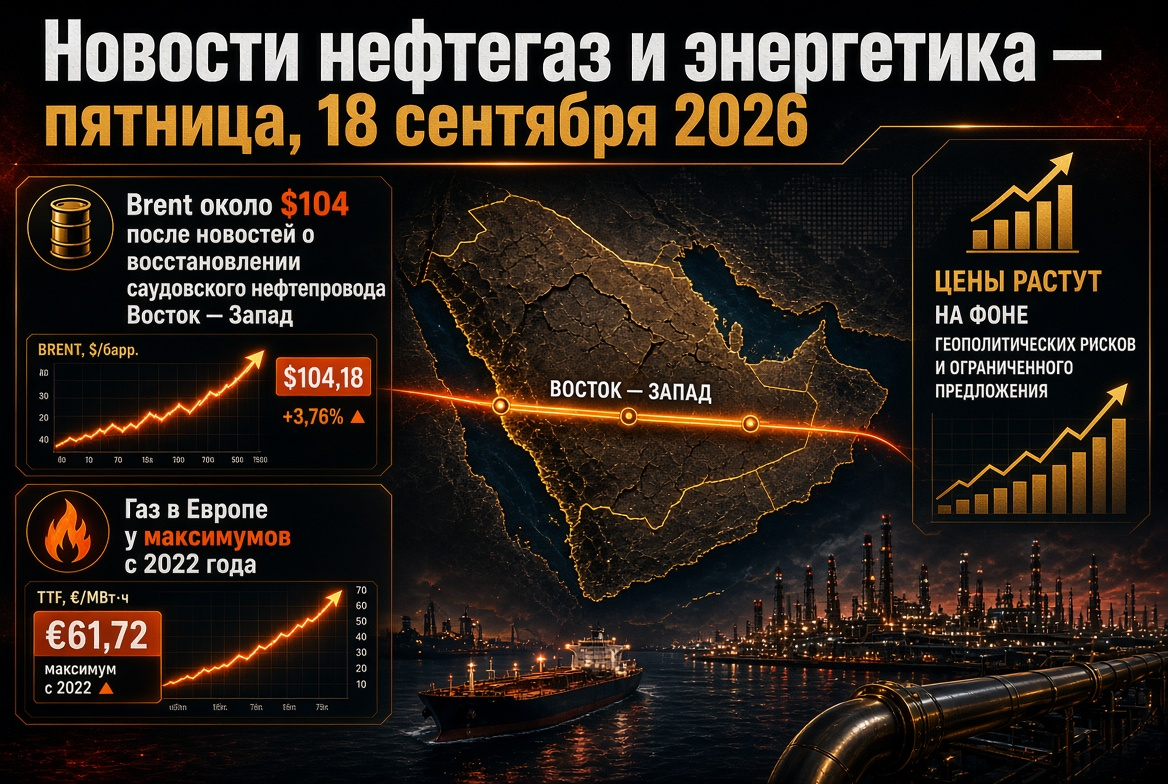
- Oil: Benchmark Brent crude is holding steady around $60 per barrel, demonstrating stability. The market remains balanced due to OPEC+ production cuts and moderate global demand; volatility stays low. Traders do not anticipate significant price fluctuations before the year's end without unexpected factors.
- Precious Metals: Gold has reached a historic high, surpassing $4,300 per ounce, driven by expectations of lower Fed rates and acting as a hedge against inflation. Silver is also at a multi-year peak (~$67). The elevated prices of these precious metals reflect investor caution, as they continue to seek a "safe haven" for their capital.
- Currencies: Currency markets are seeing minimal movements. The dollar index (DXY) hovers around 98 points, and major pairs (EUR/USD, USD/JPY) are trading within tight ranges. Low activity is associated with the holiday period – liquidity is reduced, and traders are hesitant to open new positions ahead of extended weekends.
- Cryptocurrencies: Bitcoin (BTC) is consolidating near $120,000 – its all-time high achieved during this year’s rally. Weekend trading is quiet as investors take some profits after the recent surge. Ethereum (ETH) remains above $7,000. Despite the temporary calm, the crypto market remains sensitive to news; any major announcements can quickly spike volatility.
Day's Summary: What Investors Should Focus On
- 1) China's LPR: The PBoC's decision on interest rates will be a key signal from Asia. Maintaining the LPR at current levels will confirm a course towards stability, while any deviation (such as a decrease) would indicate Beijing's readiness to actively support economic growth. It is crucial to understand how long the Chinese regulator intends to keep a dovish stance and whether new stimuli will be required at the beginning of 2026.
- 2) Shimamura Report: Quarterly results from the Japanese retailer will indicate the state of the consumer market in Japan. Confident sales and profit growth will suggest healthy domestic demand (positive for the retail sector and the Nikkei 225). Conversely, disappointing metrics may heighten expectations for fiscal stimuli or additional actions from the Bank of Japan to support the economy.
- 3) Market Activity: Global trading on Sunday is minimal, so the effects of the discussed events will only manifest when markets reopen on December 22. The low weekend liquidity means that even a single piece of news could trigger disproportionate movements in quotes at the start of the week. Special attention should be paid to the morning session in Shanghai, where Asia will react first.
- 4) Year-End Considerations: The period of low volumes prior to the holidays is an opportune time to reassess strategies. A quiet day can be dedicated to rebalancing portfolios ahead of the New Year and accounting for anticipated events in early 2026. Such an approach will help prepare for potential volatility in the first weeks of January.