Corporate Reports: Goldman Sachs, Fastenal - 13 April 2026 Economic Events, Oil Market, OPEC Analysis
Monday, 13 April 2026, opens an important week for global markets, with investors' attention focused on two key areas: macroeconomic statistics and the onset of a new phase of corporate reporting. This day holds particular significance for the global stock market as the quarterly earnings season officially begins in the United States, and the initial results from major corporations may set the tone for assessing the banking sector's health, corporate margins, and overall business activity.
The day's importance is further enhanced by the monthly OPEC oil market report, Russia's trade balance data, and statistics on the US housing secondary market. For investors from the CIS, this combination is especially significant: oil prices, American demand, and Russia's external trade indicators create an essential backdrop for the currency market, commodity assets, bonds, and exporter stocks.
Why 13 April is Important for Markets
The primary feature of Monday is that the market simultaneously receives:
- a signal from the oil market through the monthly OPEC report;
- a signal from the American economy through Existing Home Sales;
- a signal from the corporate sector through the first major reports of the new season in the US;
- additional information on Russia's external trade, vital for commodity and currency expectations.
The combination of these factors makes the economic events of 13 April 2026 crucial not only for short-term traders but also for investors establishing positions for the week ahead. In such a configuration, markets are particularly sensitive to deviations from expectations regarding oil, real estate, and bank profits.
Economic Events of Monday, 13 April 2026
1. Monthly OPEC Oil Market Report — 14:00 MSK
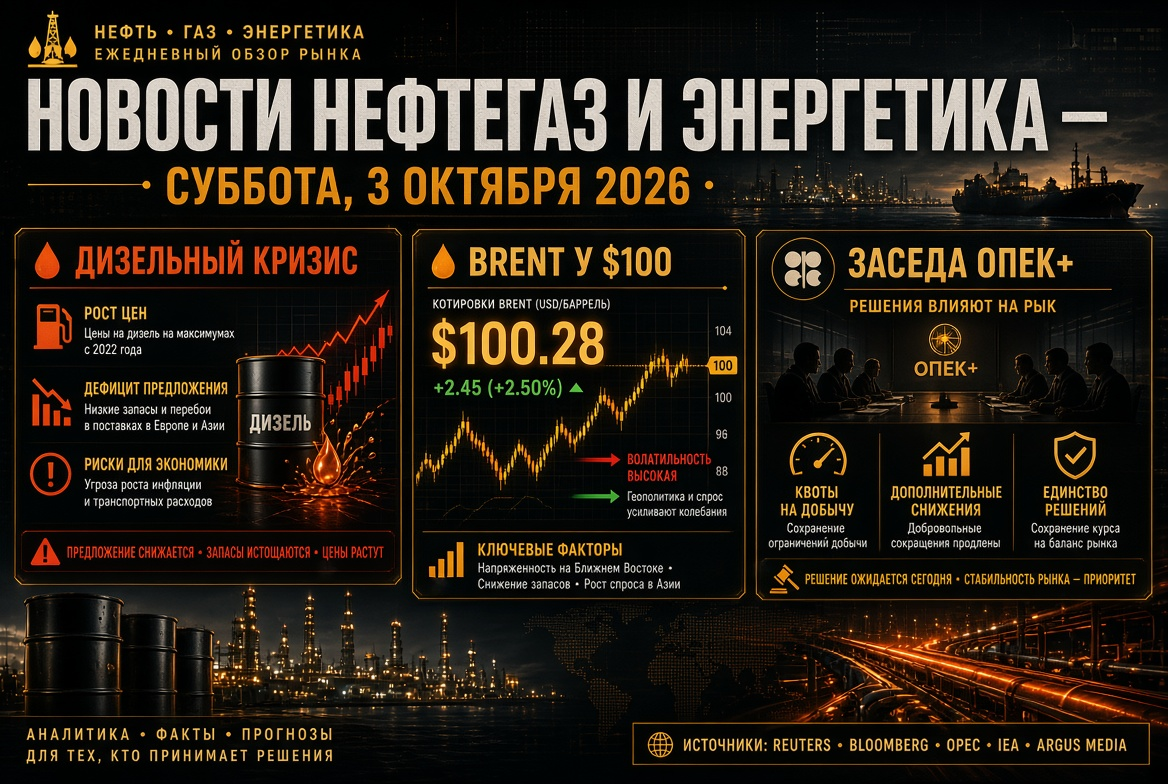
The OPEC report is traditionally one of the key publications for the oil market. Investors will analyse forecasts on global oil demand, assessments of supply from OPEC+ countries, stock dynamics, and comments on the market balance for the second quarter. For participants in the oil market, any changes in rhetoric regarding production, compensatory cuts, and demand sustainability in Asia are particularly significant.
For the Russian market, this report is of heightened importance, as oil dynamics directly influence sentiments in the oil and gas sector stocks, budget expectations, and investor attitudes towards exporters' currency revenues. If the report's tone is stringent and supports the notion of limited supply, it could be a positive sign for oil prices and related assets.
2. Russia — Trade Balance for February
The publication of Russia's trade balance remains one of the crucial macroeconomic indicators for evaluating the resilience of the external sector. A strong surplus is typically viewed as a supportive factor for the rouble, budget, and export-oriented commodity narratives. A weaker result could intensify discussions regarding the quality of external demand, export flows, and the economy's sensitivity to commodity prices.
For investors, not only the absolute values are important, but also the context:
- how export revenues are changing;
- the stability of imports;
- whether there are signs of pressure on the balance of payments;
- what conclusions can be drawn for the rouble and the debt market.
3. USA — Existing Home Sales for March — 17:00 MSK
The US housing market remains a sensitive indicator of the condition of the American consumer, lending costs, and the overall business activity cycle. Existing Home Sales provide insights into how high interest rates continue to suppress housing demand and how household sentiment is shifting. For global markets, strong data could support the scenario of US economic resilience but simultaneously heighten expectations of tight monetary policy. Conversely, weak data may bolster discussions regarding a slowdown in growth and the possibility of a softer tone from the Federal Reserve.
Corporate Reports: The US Kicks Off the Reporting Season
Among the corporate reports on 13 April 2026, particular attention will be paid to the American market. It is here that a new phase of the earnings season begins, which investors will use as a test of the resilience of the largest corporations' profits following a volatile first quarter.
Goldman Sachs
The Goldman Sachs report stands as the central corporate event of the day. Key metrics will include those from the investment banking business, trading operations, asset management, and balance sheet quality. Results from Goldman Sachs are often regarded as an indicator of risk appetite in capital markets, activity in placements and transactions, as well as the overall state of the US financial sector. A strong report could lift sentiment across the entire banking segment of the S&P 500, while weak figures might foster caution among investors right at the onset of the season.
Fastenal
Fastenal serves as an essential industrial benchmark for the US market. The company provides insights into the state of industrial demand, construction activity, logistics, and corporate orders. The Fastenal report is frequently interpreted more broadly than just the results of a single company: the market uses it as an early indicator of business activity in cyclical sectors. For investors, this is particularly critical at a time when the market seeks confirmation of the real economy's robustness.
Europe: Major Names in Focus
In the European direction, investors will monitor publications and updates from major issuers in the consumer and luxury sectors. Notable releases for 13 April include LVMH and Christian Dior. For the Euro Stoxx 50 and the European consumer sector, such reports are vital as indicators of global demand, particularly from affluent consumers, tourist flows, and Asian markets.
The results from luxury sector companies have a broader impact than may initially appear. They aid in assessing:
- the strength of global consumption beyond basic goods;
- the state of demand in China and the US;
- the resilience of premium margins amid high volatility;
- investors' sentiment towards European growth stocks.
Asia and Russia: Less Reporting Noise, More Attention to External Factors
For Asian and Russian publicly traded companies, Monday does not appear to be a day concentrated on the largest quarterly releases at the level of the most notable global indices. Thus, for the Nikkei 225, MOEX, and related regional platforms, the key significance will not come from their own reports, but rather from the external backdrop: oil prices, dollar dynamics, signals from the US, and investors' reactions to the start of the US earnings season.
This means that the behaviour of markets in Asia and Russia on 13 April will largely derive from global risk appetite. For Russian investors, it is particularly important to see how three factors will align: oil, trade balance, and initial signals from the American banking sector.
What Investors Should Focus on by Day's End
At the end of the trading day, investors should evaluate several key takeaways:
- whether the OPEC report has supported the oil market and energy sector stocks;
- whether housing data have confirmed the resilience of the US economy or intensified fears of a slowdown;
- whether Goldman Sachs has set a strong tone for the corporate earnings season;
- whether Fastenal has yielded signs of accelerating or cooling industrial demand;
- how the market interpreted Russia's trade balance for the rouble, bonds, and exporters.
These signals will determine whether Monday, 13 April, is perceived as a constructive kickoff to the week or as a day that heightened caution across global markets. For investors, not only the statistics themselves are important, but also the market's reaction to them: movements in oil prices, yields, indices, and bank stocks will indicate the mode in which the global financial system enters this new earnings cycle.