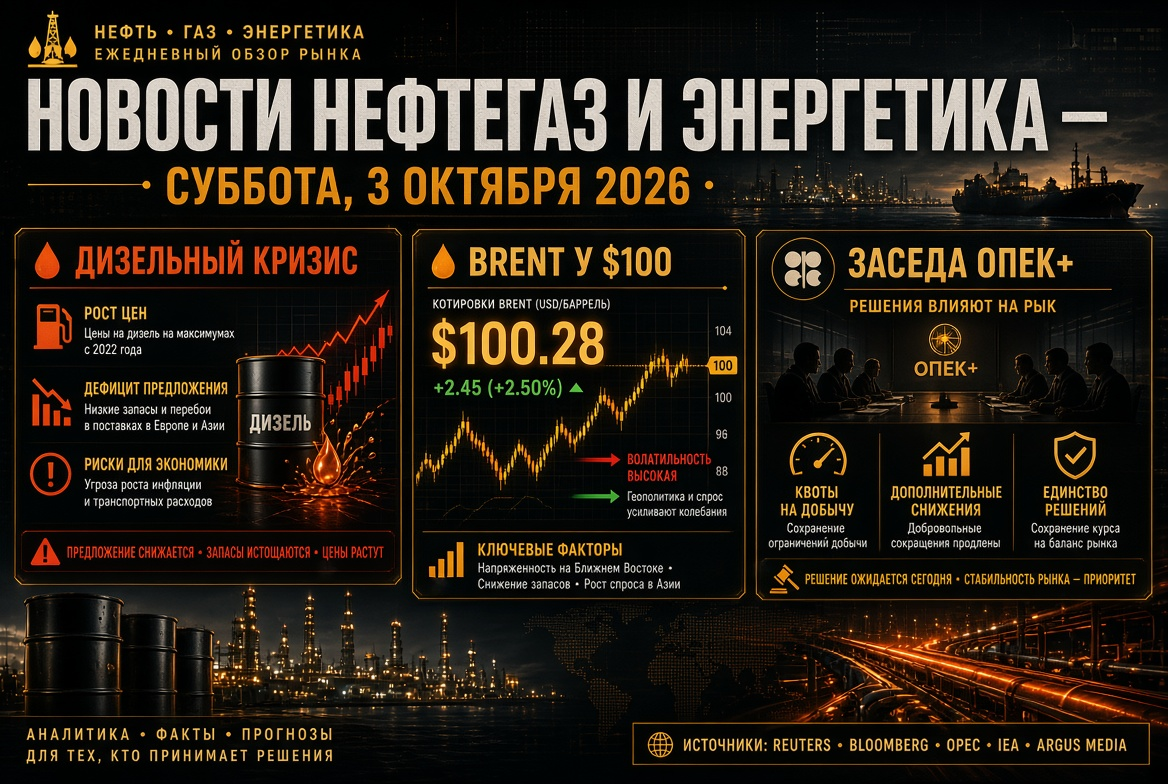
Overview of Economic Events and Corporate Reports for the Week of 13-17 April 2026: Spring Meetings of the IMF and World Bank, Start of Earnings Season in the US, and Data from China
The week of 13 to 17 April 2026 presents a dense combination of macroeconomic publications, central bank speeches, and the first major corporate reports of the new earnings season for global investors. The focus will be on the spring meetings of the IMF and World Bank, OPEC and IEA monthly oil reports, data from China, inflation signals from the US and Eurozone, as well as the official start of the earnings season in the American financial sector.
This week is crucial for the markets for several reasons. Firstly, investors will gain fresh insights into global oil supply and demand. Secondly, statistics from China, the UK, the Eurozone, and the US will provide a clearer picture of the trajectory of global growth in the second quarter. Thirdly, reports from banks and major public companies in the US, Europe, and Asia will aid in assessing the state of the credit cycle, consumer demand, the tech sector, and corporate investments.
Monday, 13 April: OPEC, Russia's Trade Balance, and the First Major Earnings Report of the Season
Monday opens the week with an important combination of commodity statistics, macro data, and corporate earnings reports. The key event for the commodity markets will be the OPEC monthly oil report. This document is traditionally significant for oil prices as a benchmark for expectations regarding global demand, production from member countries, and supply balance in the coming months.
- 14:00 MSK — OPEC Monthly Oil Report
- 16:00 MSK — Russia: Trade Balance for February
- 17:00 MSK — US: Existing Home Sales for March
For investors in the oil and gas sector and energy company stocks, the OPEC forecast, along with the surrounding rhetoric regarding the robustness of global demand, will be crucial. Given the market's high sensitivity to Asian imports and US production, even minor adjustments in forecasts could amplify volatility in oil prices, energy stocks, and commodity currency pairs.
Corporately, the official earnings season in the US effectively kicks off with Goldman Sachs. This will serve as an important test of investment banking activity, trading revenues, and sentiment in asset management. Additionally, the report from Fastenal may draw attention as an indicator of industrial activity and corporate demand in the US.
- The main focus of the day will be the oil market's reaction to the OPEC report.
- In the banking sector, initial signals regarding the quality of the quarter will come from Goldman Sachs.
- US housing statistics will help assess consumer sensitivity to interest rates.
Tuesday, 14 April: China's Trade, IEA Report, and a Robust Block of US Bank Earnings
On Tuesday, investor attention shifts towards Asia, US producer inflation, and the broader banking sector. The day begins with data on China's international trade for March. For global markets, this is one of the key indicators of external demand, the dynamics of Asia's export sector, and the state of global supply chains.
- 06:00 MSK — China: International Trade for March
- 11:00 MSK — IEA Monthly Oil Report
- 15:15 MSK — US: ADP Employment
- 15:30 MSK — US: PPI for March
- 19:00 MSK — Speech by the Head of the Bank of England
- 23:30 MSK — US: API Crude Oil Stocks
Following OPEC, the IEA report will serve as the second major energy benchmark of the week. If the agency's estimates diverge from the cartel's conclusions regarding demand growth rates or oversupply, the oil market may experience more pronounced intraday movements.
In terms of corporate earnings, Tuesday is set to be one of the busiest days of the week. Reports will be released by JPMorgan Chase, Citigroup, Wells Fargo, BlackRock, Johnson & Johnson, CarMax, and Albertsons. This array encompasses several market segments: systemically important banks, the largest asset manager, the defensive pharmaceutical sector, auto dealers, and grocery retail.
The banks' comments on reserves, loan portfolio quality, net interest margin, and corporate lending will be particularly significant. For global investors, this will serve as an early indicator of the resilience of the US economy and consumer demand amid high capital costs.
Wednesday, 15 April: Eurozone Industry, Fed's Beige Book, and an Expanding Earnings Front
Wednesday combines European industrial statistics, the release of the Fed's Beige Book, US oil data, and new speeches from representatives of major central banks. The focus will encompass the Eurozone, the US, and Russia.
- 12:00 MSK — Eurozone: Industrial Production for February
- 15:30 MSK — US: NY Empire State Manufacturing Index for April
- 17:30 MSK — US: EIA Crude Oil Stocks
- 18:50 MSK — Speech by the Head of the Bank of England
- 19:00 MSK — Russia: CPI
- 20:00 MSK — Speech by the Head of the Swiss National Bank
- 21:00 MSK — US: Beige Book
- 22:30 MSK — Speech by Christine Lagarde
For European markets, eurozone industrial production will help clarify whether weakness in the industrial cycle persists or if the region is beginning to receive support from external demand. The Beige Book is significant for the US as a qualitative overview of the economic state across Fed districts: the market will look for signals on hiring, wages, demand, and price pressures.
The corporate calendar on Wednesday is also packed. Earnings releases will come from ASML, Bank of America, Morgan Stanley, M&T Bank, J.B. Hunt, First Horizon, Progressive, PNC Financial Services, and Kinder Morgan. For investors, this day is particularly important, combining a leading European semiconductor technology company, major US banks, transport, insurance, and energy sectors.
The ASML report will be viewed as an indicator of global demand for chip manufacturing equipment and capital expenditures in the semiconductor industry. The reports from Bank of America and Morgan Stanley will supplement the picture of the US banking sector, while J.B. Hunt and Kinder Morgan will provide insights into logistics and energy infrastructure.
Thursday, 16 April: China's and the UK’s GDP, Eurozone Inflation, and a Strong Day for Technology and Consumer Sectors
Thursday may become the central macroeconomic day of the week. In the morning, markets will receive data on China’s GDP for the first quarter of 2026, followed by the UK’s GDP for February, and in the afternoon, the full Eurozone inflation figures and the publication of the minutes from the previous ECB meeting.
- 05:00 MSK — China: GDP for Q1 2026
- 09:00 MSK — UK: GDP for February
- 12:00 MSK — Eurozone: CPI for March
- 14:30 MSK — Minutes from the Last ECB Meeting
- 15:30 MSK — US: Initial Jobless Claims
- 15:30 MSK — US: Philadelphia Fed Manufacturing Index
- 16:15 MSK — US: Industrial Production for March
- 17:30 MSK — US: EIA Natural Gas Stocks
The Chinese GDP is likely to be the main driver for Asian trading, metals, oil, and emerging market indices. Weak figures would intensify concerns about raw material demand and global trade, while strong data would support cyclical sectors and export companies.
In Russia, particular attention will be drawn to the 2026 Moscow Exchange Forum, which could serve as a platform to discuss the liquidity of the capital market, infrastructure, retail investors, and the development of the Russian financial market.
Thursday’s corporate earnings schedule is also very busy. Results will be published by TSMC, Netflix, BNY, PepsiCo, Abbott, Travelers, Charles Schwab, Infosys, Prologis, U.S. Bancorp, Marsh McLennan, and Citizens Financial Group. This group spans the global semiconductor sector, streaming, financial infrastructure, food products, medical technology, insurance, brokerage business, IT services, and real estate.
Comments from TSMC regarding orders in the semiconductor space and demand from the AI segment, alongside Netflix's results as an indicator of the spending power of global consumers in digital subscriptions, will be hugely significant for the global market.
Friday, 17 April: Eurozone External Accounts and Conclusion of the Banking Block
On Friday, the macroeconomic backdrop will be somewhat quieter, but this does not render the day unimportant. The Eurozone will publish data on the current account and trade balance for February, which is crucial for assessing the external resilience of the region and export momentum.
- 11:00 MSK — Eurozone: Current Account for February
- 11:00 MSK — Eurozone: Trade Balance for February
- 17-18 April — Visit of Sergey Lavrov to Turkey
For the currency market and European bonds, these publications are important primarily as confirmation of the resilience of the region's external sector. Amid trading shifts and changing global demand patterns, investors will closely monitor the export dynamics of the Eurozone.
The corporate part of the day will again be busy. Major public companies reporting include Truist Financial, Fifth Third Bancorp, State Street, Regions Financial, Ally Financial, Ericsson, and Autoliv. This will conclude the first wave of US banking earnings and introduce an industrial component from Europe via Ericsson and Autoliv.
For investors in the financial sector, Friday is essential as it provides a chance to compare the dynamics of regional banks in the US with the results of the largest universal banks released earlier in the week. If commentary regarding credit demand and asset quality is inconsistent, the market may begin to more selectively assess the banking sector in the second quarter.
Which Markets and Sectors Will be in Focus this Week
From a capital allocation perspective, this week is particularly important for the following segments:
- Oil and Energy — due to the OPEC and IEA reports, as well as weekly inventory statistics from the US.
- US Banking Sector — the beginning of the earnings season will set the tone for assessing the credit cycle and profitability.
- Technology and Semiconductors — ASML and TSMC have the potential to influence global AI and semiconductor trade.
- European Assets — Eurozone CPI, ECB minutes, and external trade data will set the backdrop for the Euro and Euro Stoxx 50.
- Asia and Commodity Markets — Chinese trade data and GDP will be pivotal for metals, oil, and the Nikkei 225.
- Russia and MOEX — CPI, trade balance, and the agenda of the Moscow Exchange Forum will define the domestic newsflow.
Week Summary for Investors: What to Pay Attention To
The week of 13-17 April 2026 will be pivotal for short-term market positioning. The combination of spring meetings of the IMF and World Bank, the first major corporate reports from the US, Chinese data, and a series of inflation and production releases creates an environment where expectations regarding global economic growth rates, interest rates, and corporate profits will be rapidly reassessed.
Investors should focus on three key lines. First, what OPEC and the IEA will say regarding the oil balance and how much this will alter expectations for the commodities market. Second, how the banking season in the US will kick off and whether major financial institutions will confirm the economy's resilience. Third, whether China, the Eurozone, and the UK will provide new signals regarding the direction of the global economic cycle.
If bank earnings prove strong and data from China does not disappoint, the week could bolster risk appetite in stocks and cyclical sectors. Conversely, if investors see a deterioration in credit metrics, signs of industrial slowdown, and weakness in demand, this could enhance the attractiveness of defensive assets, dividend stories, and more conservative positioning.