Current News in Oil, Gas and Energy as of March 22, 2026: Rising Oil Prices, Supply Tensions, Gas and LNG Markets, Refineries, and the Global Energy Sector. Analysis for Investors and Companies
The global fuel and energy complex is entering an increased state of turbulence on Sunday, March 22, 2026. The main topic for investors, oil companies, refineries, gas traders, and electricity market participants is the sharp strengthening of the geopolitical premium in oil, gas, and petroleum products. The oil and gas sector has again found itself at the forefront of global markets: disruptions in Middle Eastern logistics, rising oil prices, a surge in gas costs in Europe, and increased fuel prices in Asia are creating a new conjuncture for the entire global energy sector.
For the market, this signifies a shift from a relatively comfortable supply model to a scenario where energy security, raw material availability, refining margins, and supply chain resilience take centre stage. Oil, gas, LNG, petroleum products, electricity, coal, and renewable energy sources are now regarded not in isolation, but as parts of a single, tense global system.
The Oil Market: Brent Once Again Becomes an Indicator of Geopolitical Risk
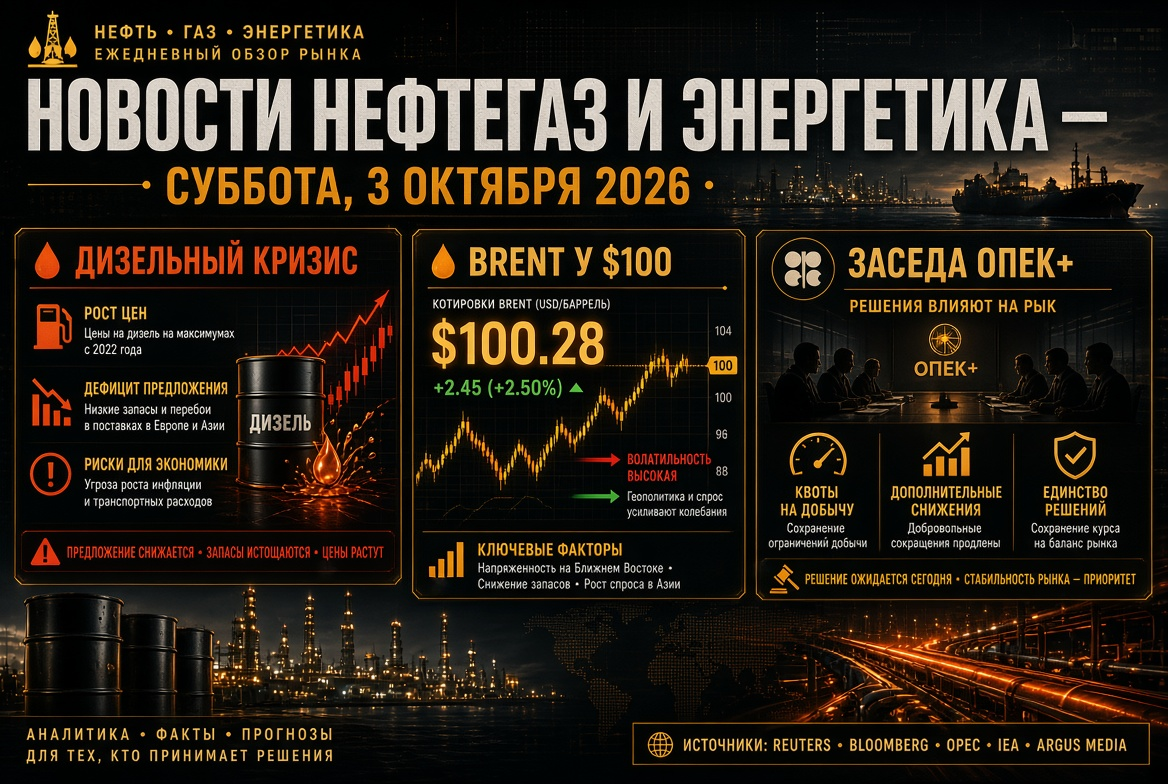
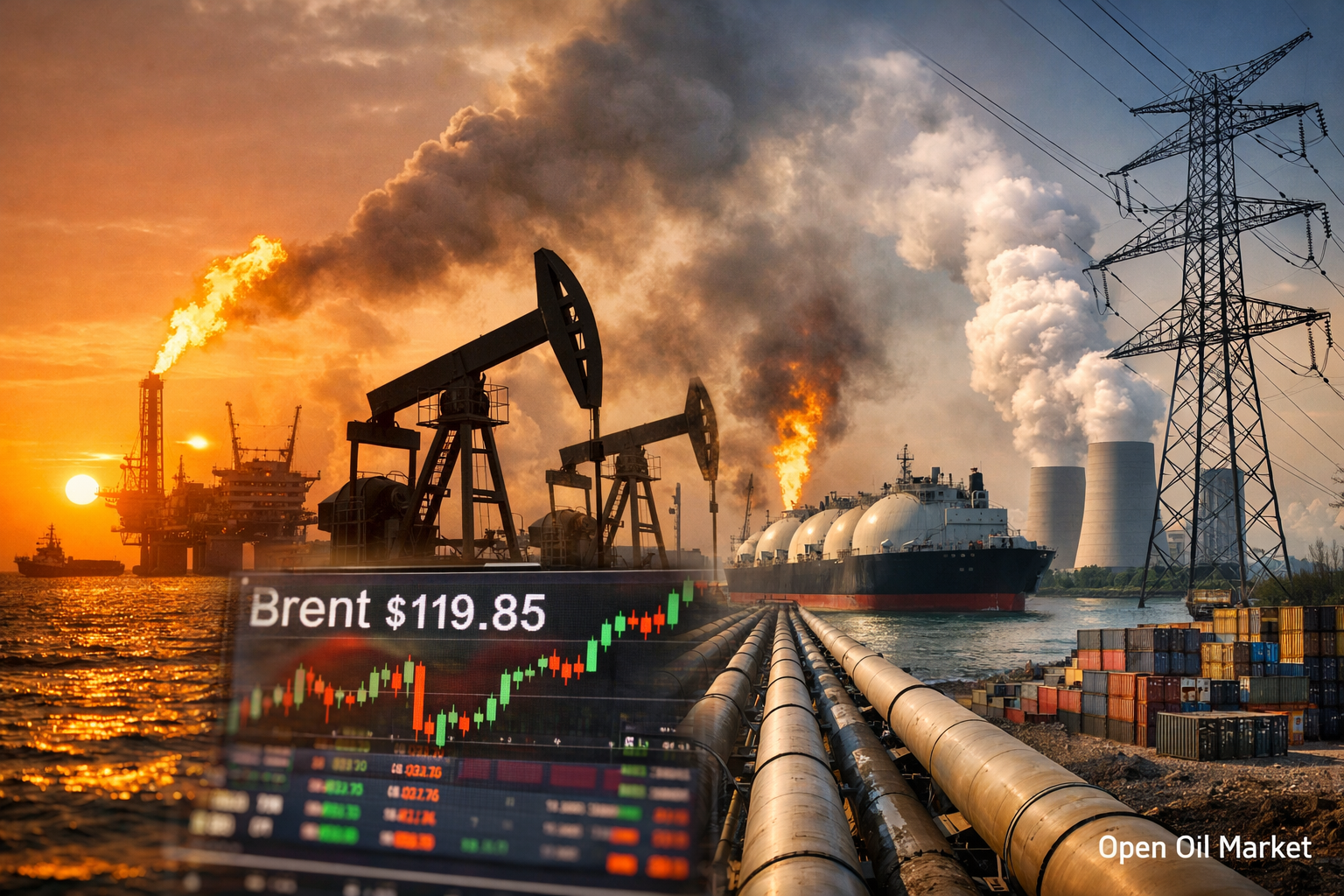
The oil market ahead of March 22 is driven primarily not by macroeconomic factors but by the risk of physical supply shortages. The rise in Brent prices to multi-month highs reflects market participants' concerns about logistics, rather than just the current balance of supply and demand. For investors in oil and gas, not only the extraction volumes but also the speed of raw material transit through critical routes are crucial.
Key factors for the oil market include:
- The reduction of flows through the Strait of Hormuz, which remains one of the most important nodes in global oil and petroleum product trade;
- The rising geopolitical premium in Brent and WTI futures;
- Limited options for the rapid replacement of Middle Eastern barrels;
- Increased focus on strategic reserves and emergency market stabilisation measures.
Even if part of the physical shortage is alleviated, the oil market is already indicating that in 2026, the premium for supply security is becoming a structural factor once again. For oil companies and traders, this means heightened volatility, for refiners—higher raw material costs, and for fuel consumers—accelerated inflationary pressures.
IEA, OPEC+ and Supply: The Market Receives Support, But Not a Complete Solution
Major market institutions are attempting to mitigate the supply shock; however, their capabilities are limited. The IEA has already initiated a large-scale release of oil from strategic reserves, while OPEC+ previously agreed to a moderate increase in production. However, for the global energy sector, the volume of additional barrels is not the only crucial aspect; the ability to quickly deliver them to the market is equally important.
- Strategic Reserves. The release of reserve oil alleviates the severity of the shortage and signals to the market that governments are prepared to support supply liquidity.
- OPEC+. Additional production is beneficial in itself, but under conditions of disrupted logistics, its effect is limited.
- Non-OPEC Supply. The USA, Latin America, and certain producers outside the cartel have an opportunity window, but quickly substituting the scale of Middle Eastern flows remains challenging.
As a result, the oil market remains tense. For participants in the energy sector, this is not a “paper” shortage scenario; rather, it is a situation where the physical delivery of oil is becoming as important as extraction itself.
Gas and LNG: Europe Again Pays a Premium for Security
The European gas market is once again becoming one of the most vulnerable points in global energy. Following a new wave of tensions, gas prices have sharply risen, and the European energy sector faces a dilemma: to maintain strict storage refill targets or to ease pressure on the market to avoid provoking a further spike in prices.
The most important trends in gas and LNG include:
- European gas prices have noticeably risen compared to levels at the end of February;
- For the EU, LNG supplies, primarily from the USA, are again critical;
- The flexibility of regulations regarding underground gas storage refill is becoming a subject of political discussion;
- Gas directly impacts the cost of electricity in European countries.
For European gas consumers, chemical industries, metallurgy, and electricity sectors, this means heightened price risk. For the global LNG market, it indicates the increasing significance of American supplies, intensified competition for flexible volumes, and improved margins for exporters capable of quickly redirecting shipments.
Pertroleum Products and Refineries: Refining is Again in a Phase of Super Margins
The petroleum products segment is becoming one of the main beneficiaries of the current market structure. For refineries, this is a period of high profitability, especially in regions where access to alternative raw materials and developed export logistics exist. The shortage of diesel, jet fuel, and certain middle distillates enhances refining margins.
Several drivers are forming in the petroleum products market now:
- Rising raw material prices and disruptions in Middle Eastern flows;
- Reduction of export offerings from some Asian players;
- Support for prices of diesel, kerosene, and marine fuel;
- The increasing significance of independent and complex refineries outside conflict zones.
For companies in the sector, this means that in the near term, investor attention will shift from upstream activities to refining and logistics. Refineries that can quickly switch raw materials and maintain high utilisation rates gain a competitive edge. In the global market for petroleum products, this creates prerequisites for local shortages and a more stringent pricing environment.
Asia: China, India, and a New Configuration of Fuel Demand
Asia remains the main arena for redistributing flows of oil, gas, and petroleum products. China and India effectively set the tone for the entire eastern segment of the energy sector. Any restrictions on fuel exports from China or difficulties with raw material imports in India quickly reflect on the premiums for diesel, gasoline, jet fuel, and crude oil.
It is particularly important that India is betting on a combination of coal, solar generation, wind, and storage solutions to navigate the summer peak in electricity demand without significant shortages. This indicates a new logic for the Asian energy balance: while oil and gas are important, system resilience is increasingly being ensured not by a single fuel type but by a combination of traditional generation, renewables, and backup capacities.
China, for its part, remains a systemic factor for the global petroleum products market. Any administrative restrictions on fuel exports from the PRC automatically heighten tensions across Asia and boost profitability in other jurisdictions' refining activities.
Electricity: Gas, Coal, and Renewables no Longer Compete but Ensure System Resilience
In 2026, the global electricity sector operates in a model where there is increasingly less opposition between traditional generation and renewable energy. High demand for electricity, increasing loads from data centres and digital infrastructure, as well as climatic peaks in consumption make reliability the priority, rather than ideology.
Now, three conclusions are crucial for the electricity market:
- Gas remains a price anchor for many energy systems, particularly in Europe;
- Coal retains its role as a backup resource during peak demand periods;
- Renewables and storage enhance system resilience, but cannot instantly replace flexible capacities everywhere.
This is particularly evident in the USA and India, where rising energy consumption is pushing authorities and businesses towards a more pragmatic approach. In practice, the global energy sector is moving not towards a rapid abandonment of hydrocarbons, but towards a mixed model where oil, gas, coal, electricity, and renewables mutually support the stability of energy systems.
Russia, Europe and the New Gas Architecture
European energy continues to move away from the former model of dependency on Russian gas; however, the current crisis illustrates that the issue of diversification is far from resolved. Even with the reduction in the share of Russian supplies, the European market remains highly sensitive to any external shocks in LNG and pipeline gas.
For the global energy sector, this means:
- Europe will accelerate the diversification of gas and LNG suppliers;
- The value of flexible supply and regasification infrastructure will continue to rise;
- Any new wave of restrictions will strengthen the reconfiguration of trade flows between Europe and Asia.
For oil and gas companies, this creates a more fragmented global market, where regional premiums, insurance costs, freight, and political risks increasingly impact the final price of gas and petroleum products.
What This Means for Investors and Participants in the Energy Sector
As of March 22, 2026, the global energy sector is entering a phase where not only exploration companies thrive, but also those who control logistics, refining, export infrastructure, and generation balance. For investors, oil companies, refineries, petroleum product suppliers, electricity producers, and traders, the key focal points are:
- Oil: the market remains expensive and jittery until confidence in delivery routes is restored;
- Gas and LNG: Europe will pay a premium for security, while the USA strengthens its role as a systemic supplier;
- Refineries and Petroleum Products: high refining margins may persist longer than the market anticipates;
- Electricity: resilience will be achieved by countries with a more diversified energy balance;
- Renewables and Storage: their significance is growing, but they provide maximum value when linked with traditional generation.
The bottom line for the global energy sector is clear: oil and gas, energy, electricity, LNG, coal, renewables, and petroleum products are once again united by the common theme of energy security. This will determine market behaviour, corporate strategy, and investment decisions in the coming weeks.