Startup and Venture Capital News for Wednesday, 28 January 2026: Major Investment Rounds, Venture Fund Activity, Global Trends in AI, Fintech, and Climate Tech. Analytical Overview for Venture Investors and Funds.
The global venture capital market approaches the end of January 2026 in a state of confident recovery. Following a prolonged downturn from 2022 to 2024 and a cautious rebound in 2025, investors worldwide are once again actively investing in promising tech startups. Record funding deals are being closed, and IPO plans are once again taking centre stage. Major industry players are returning with large-scale investments, while governments and corporations are intensifying support for innovations – significant private capital is flowing into the startup ecosystem. These trends signal the emergence of a new investment boom at an early stage, although market participants remain selective and cautious in their deal-making.
Venture activity is on the rise across all regions. The United States is solidifying its leadership position (particularly through investments in the field of artificial intelligence), while investment in startups in the Middle East has increased dramatically due to inflows from sovereign wealth funds. In Europe, a reshuffle has occurred: Germany has overtaken the United Kingdom for the first time in terms of venture deals. India, Southeast Asia, and Gulf countries are setting records for capital attraction, while activity in China has slightly declined. The startup ecosystems of Russia and its neighbouring countries are striving to keep pace with global trends despite external constraints.
Below are key events and trends shaping the venture market agenda for 28 January 2026:
- The Return of Mega Funds and Large Investors. Leading venture firms are raising unprecedented sums for new funds, flooding the market with liquidity and rekindling risk appetite.
- Record Rounds in AI and a New Wave of Unicorns. Unusually large deals are pushing startup valuations to new heights, particularly in the AI segment, resulting in a surge of new unicorns.
- Revival of the IPO Market. Successful debuts of tech companies on public markets and new listing applications confirm that the long-awaited "window" for going public has reopened.
- A Wave of Consolidation through M&A Deals. Major mergers, acquisitions, and partnerships are reshaping the industry landscape, providing investors with opportunities for quick exits.
- Diversification of Sector Focus. Venture capital is flowing not only into AI but also into fintech, climate projects, biotechnology, defence developments, crypto startups, and other promising areas.
- Local Focus: Russia and CIS Countries. Despite restrictions, new funds and programmes are being launched in the region to support local startup ecosystems, attracting investor attention.
The Return of Mega Funds: Big Money Back in the Market
The largest investment players are triumphantly returning to the venture arena - there has been a noticeable increase in risk appetite across the industry. In recent weeks, several top funds have announced the closure of new mega funds. American firm Lightspeed Venture Partners has raised approximately $9 billion (the record fundraising for 2025), while several other leading firms have also formed multi-billion dollar funds. Following a period of quiet, Tiger Global is also making a comeback, targeting around $2.2 billion for its new fund - significantly less than its previous volumes, reflecting a more cautious approach. Sovereign investors are becoming more active, with Gulf states injecting billions into technology projects and launching their own startup support programmes.
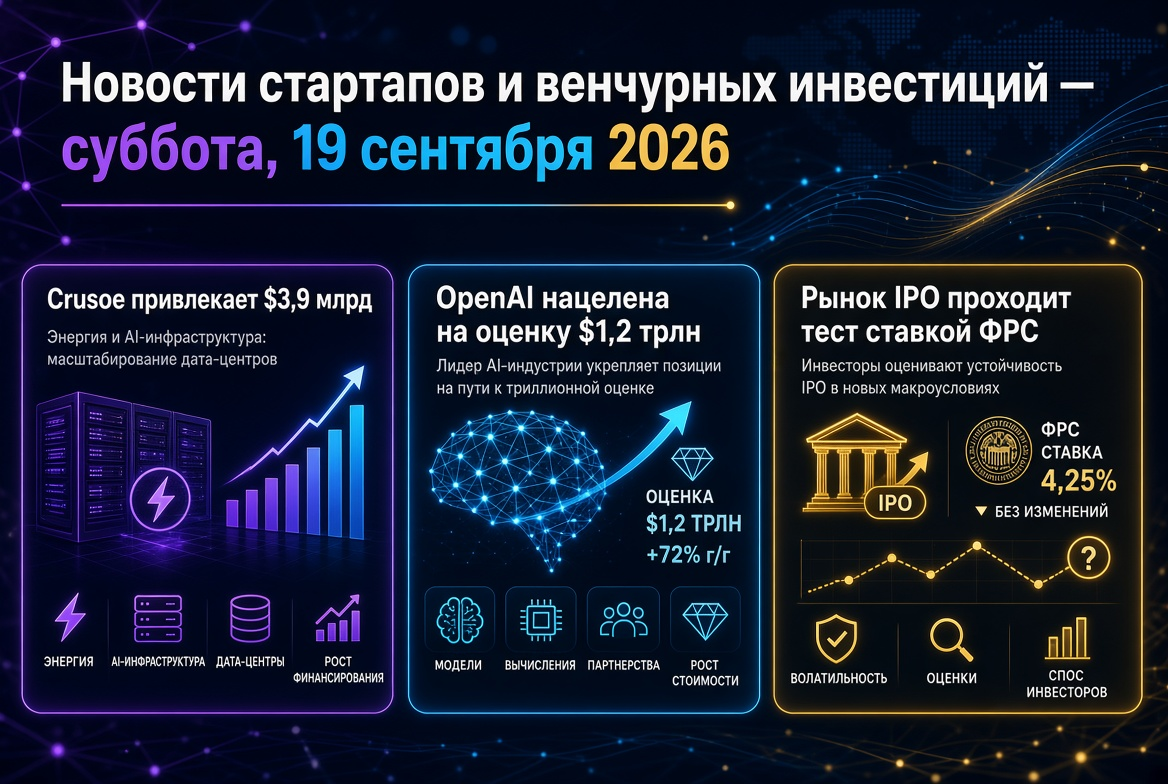
The Japanese conglomerate SoftBank, having recovered from previous setbacks, is once again making significant bets. At the end of 2025, SoftBank invested around $40 billion in OpenAI. The return of such powerful financiers means the emergence of hundreds of billions of dollars in "dry powder" (uninvested capital), ready to be deployed. These resources are already entering the market, intensifying competition for the best projects and supporting high valuations for promising companies. The return of mega funds and large institutional players not only heightens the competition for the most lucrative deals but also instils confidence in the industry regarding further capital inflows.
Record AI Investments and a Surge in New Unicorns
The realm of artificial intelligence remains the primary driver of the current venture boom, showcasing unprecedented funding volumes. Investors are eager to position themselves at the forefront of the AI revolution by allocating colossal amounts to the most promising projects. In 2025, several companies attracted multi-billion dollar rounds: OpenAI raised around $40 billion at a valuation of approximately $300 billion, while its competitor Anthropic secured around $13 billion. Capital is flowing not only to established leaders but also to new teams.
For example, American startup Baseten, which is developing infrastructure for AI, raised around $300 million at a valuation of ~$5 billion. Such inflows are quickly expanding the “unicorn” club. In recent months, dozens of startups – from generative AI and specialised chips to cloud AI services – have crossed the $1 billion valuation threshold. While experts warn of overheating risks, the appetite for venture capital in AI startups remains undiminished.
IPO Wave: Window for Exits is Open Again
The global primary public offerings market is coming back to life after a two-year hiatus, providing startups with new opportunities to go public. In Asia, a new wave of listings has been initiated by Hong Kong: in recent months, several major tech companies have debuted there, collectively raising billions in investments. For instance, Chinese electronics manufacturer Xiaomi sold an additional share package of approximately $4 billion, demonstrating that investors in the region are once again ready to actively support large placements.
The situation is also improving in the US and Europe: following successful debuts in 2024–2025, more unicorns are preparing to go public. American fintech giant Stripe, which has long delayed its IPO, is planning to list in 2026, riding on the favourable market conditions. Additionally, design platform Figma opted for a standalone public listing instead of selling to a strategic investor and raised over $1 billion – its valuation rose confidently after this. Even the crypto industry is keen to capitalise on the revival: fintech company Circle successfully conducted an IPO. The resurgence of IPO market activity is critical for the venture ecosystem: successful public exits return capital to investors and allow them to redirect it towards new projects.
Consolidation and M&A: Major Deals Transforming the Industry
High startup valuations and competition for leaders are leading to increased consolidation within the tech sector. Large corporations and highly valued late-stage unicorns are increasingly acquiring promising teams or merging with each other to accelerate growth. The year 2025 has become one of the record years for deal volume: the total value of venture M&A worldwide approached historical highs, surpassing the 2021 boom level in the US. The pinnacle of this wave was Google’s acquisition of the startup Wiz (cybersecurity) for approximately $32 billion – the largest purchase of a venture company in the industry’s history.
In addition to this landmark deal, various sectors have seen several multi-billion-dollar acquisitions. Below are just a few examples:
- Capital One acquired the fintech platform Brex for approximately $5.15 billion
- Coinbase acquired the cryptocurrency exchange Deribit
- IonQ acquired the quantum company Oxford Ionics
The activation of the M&A market provides venture funds with new opportunities for profitable exits from investments, while it enables startups to gain resources for scaling under the wing of large partners. The consolidation of players through mergers accelerates the maturation of individual niches while simultaneously opening new niches for the next wave of teams.
Diversification of Investments: Not Just AI
The rise of 2025–2026 is characterised by the influx of capital into various sectors. After the downturn of recent years, funding in financial technology is reviving: significant rounds are taking place not only in the US but also in Europe and emerging markets, fuelling the growth of new fintech services. At the same time, there is an increase in interest in climate and environmental projects, with startups in renewable energy, energy storage, and carbon emissions reduction attracting record investments. The appetite for biotechnology is also returning: recent breakthroughs in medicine are inspiring funds to once again finance large healthcare projects. Moreover, the partial restoration of confidence in the cryptocurrency market has enabled some blockchain startups to secure investments once again.
There is also a growing focus on defence technologies, aerospace developments, and robotics. In light of geopolitical challenges, investors are keen to support projects in national security, aerospace startups, and innovations for Industry 4.0. Below are the main areas, apart from AI, that investments are currently focusing on:
- Financial Technology (Fintech): digital banks, payment platforms, online services
- Climate and “green” projects: renewable energy, carbon emissions reduction, eco-friendly infrastructure
- Biotechnology and medicine: development of new drugs, biomedical devices, digital health
- Defence and aerospace technologies: defence-tech startups, drones, satellites, robotic systems
As a result, the venture landscape is becoming more balanced. Capital is being distributed across various sectors, reducing the risk of overheating in any one area. Funds are forming diversified portfolios and are keen to avoid repeating past mistakes, where excessive funding of a single trend led to the emergence of "bubbles."
Russia and CIS: Local Initiatives Amid Global Trends
Despite external constraints, there is a revival of startup activity in Russia and neighbouring countries. In particular, several new venture funds amounting to around 10–12 billion rubles have been announced, aiming to support early-stage technology projects. Local startups are starting to attract significant capital: for example, the Krasnodar-based food tech project Qummy raised around 440 million rubles at a valuation of about 2.4 billion rubles. Furthermore, foreign investors have once again been allowed to invest in local projects, gradually restoring interest from overseas capital.
Although the volumes of venture investments in the region are still modest compared to global figures, they are gradually increasing. Some large companies are considering taking their technology divisions public with an improvement in market conditions – for instance, VK Tech has publicly acknowledged the possibility of an IPO in the foreseeable future. New government support measures and corporate initiatives are designed to give an additional boost to the local startup ecosystem and integrate it into global trends.
Looking Ahead: Cautious Optimism
The venture community enters 2026 with a sense of measured optimism. Successful IPOs, mega-rounds, and exits at the end of the previous year have shown that the downturn is behind us, yet the lessons of the recent past have not been forgotten. Investors are now much more meticulous in assessing the business models of startups and their path to profitability, avoiding chasing growth at any cost. This disciplined approach helps prevent market overheating.
At the same time, key trends instil confidence in further growth. The window for IPOs, which was closed in 2022–2023, has now opened, allowing mature companies to execute their plans for going public. An active M&A market provides projects with exit opportunities, while the emergence of new mega funds ensures capital availability for financing the next generation of startups. Risks of macroeconomic instability persist, yet venture investors are approaching the upcoming rise with greater preparedness than before. The first weeks of 2026 confirm that the global startup ecosystem is gaining momentum. If positive trends continue, this year may deliver further growth in venture investments and the emergence of new technological leaders.