Latest Startup and Venture Investment News for Thursday, 20 November 2025: The Return of Mega Funds, Giant AI Rounds, IPO Resurgence, a Wave of M&A, Renewed Interest in Crypto Startups, and New Unicorns. A Comprehensive Review for Venture Investors and Funds.
By the end of November 2025, the global venture market is showing a confident recovery after the downturn of recent years. According to industry analysis, the total volume of venture investments reached approximately $97 billion in the third quarter of 2025—an increase of nearly 38% compared to the previous year and the best quarterly figure since 2021. The prolonged period of ‘venture winter’ from 2022–2023 is behind us, and the influx of private capital into technology startups is significantly accelerating. Major funding rounds and the launch of new mega funds signal a return of risk appetite among investors, although they continue to invest selectively and cautiously.
Venture activity is on the rise across virtually all regions of the world. The USA remains in the lead (especially in the rapidly evolving AI segment), while investment volumes in the Middle East have nearly doubled over the year, and for the first time in a decade, Germany has overtaken the UK in terms of total venture capital in Europe. In Asia, the booming rise in India and Southeast Asia offsets a relative decline in China. Emerging tech hubs are also forming in Africa and Latin America. The startup ecosystems in Russia and the CIS countries are striving to keep pace despite external constraints. Overall, the global market is gaining momentum, although investors still prefer the most promising and resilient projects.
- Return of Mega Funds and Big Capital. Leading venture players are forming record funds and are once again injecting significant capital into the market, fueling risk appetite.
- Record Rounds in AI and a New Generation of Unicorns. Mega rounds of funding in artificial intelligence are inflating company valuations and spawning a wave of new ‘unicorns’—startups valued at over $1 billion.
- Revival of the IPO Market. Successful public listings of technology companies and new listing applications confirm that the long-awaited ‘window’ for exits has reopened.
- Industry Focus Diversification. Venture capital is being directed not only into AI but also into fintech, climate projects, biotechnology, space, and defence developments—the investment horizon is expanding.
- Wave of Consolidation and M&A. Major mergers and acquisitions are reshaping the industry landscape, creating new opportunities for profitable exits and accelerated company growth.
- Return of Interest in Crypto Startups. After a prolonged ‘crypto winter’, blockchain projects are once again attracting substantial funding and attention from venture funds and corporations.
- Local Focus. New funds and initiatives are being launched in Russia and neighbouring countries to support local startups, gradually attracting investor interest despite geopolitical constraints.
Return of Mega Funds: Big Money Back in the Market
The largest investment funds and institutional players are making a comeback on the venture scene, signalling a new wave of appetite for risky investments. Following a downturn in VC fundraising during 2022–2024, leading firms are resuming capital attraction and launching mega funds, showcasing confidence in market prospects. For instance, the Japanese conglomerate SoftBank is forming its third Vision Fund, with a volume of approximately $40 billion, focused on advanced technologies (including artificial intelligence and robotics). In the USA, the firm Andreessen Horowitz is raising a record-sized venture fund—around $20 billion—targeting late-stage AI startups. Sovereign funds from Gulf countries are also becoming active, pouring billions into high-tech projects and developing their own tech hubs.
Simultaneously, dozens of new venture funds are emerging across various regions, attracting significant institutional capital for investments in technology companies. The return of such large-scale ‘mega structures’ means that startups have more opportunities to secure funding for growth, and competition among investors for the best deals is noticeably intensifying.
Record Investments in AI: A New Wave of Unicorns
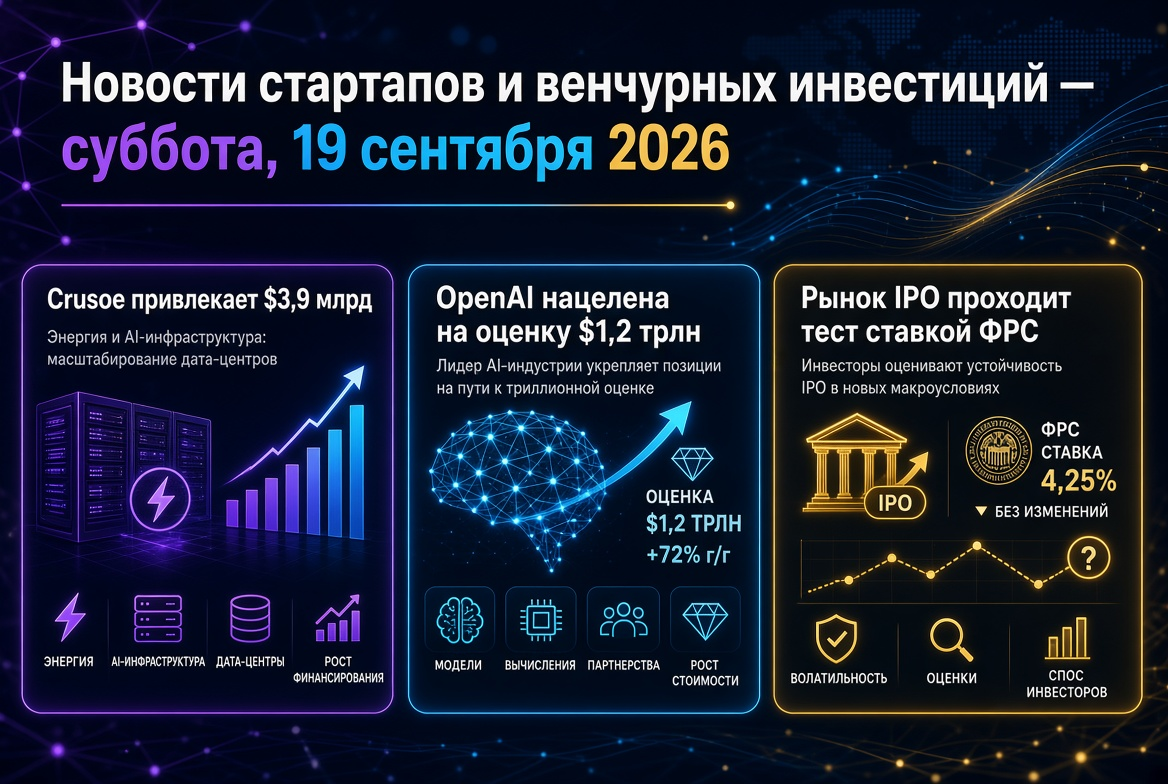
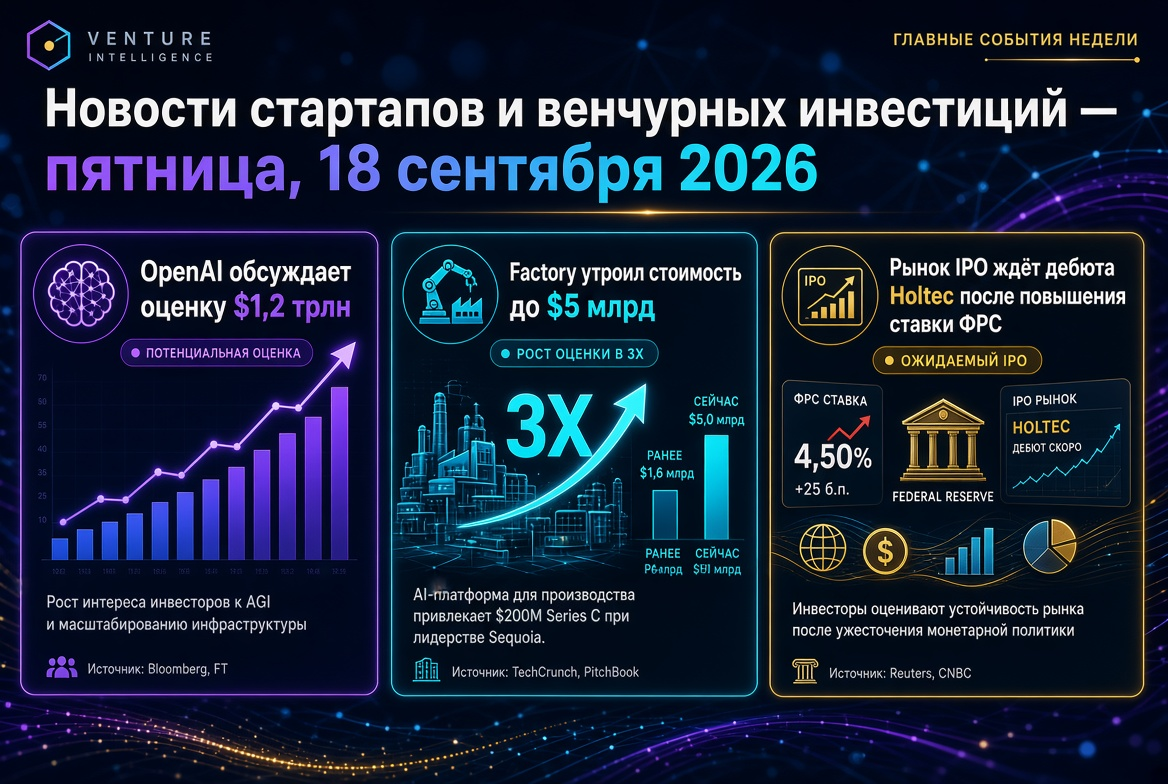
The artificial intelligence sector has become the main driver of the current venture boom, demonstrating record levels of funding. Estimates suggest that nearly half of all venture capital raised in 2025 will be directed towards AI-related companies. Global investments in artificial intelligence this year may exceed $200 billion—a level unprecedented for the industry. This excitement is due to AI technologies promising to drastically enhance efficiency across numerous fields—from industrial automation and transportation to personal digital assistants—opening up multi-trillion-dollar new markets. Despite concerns about market overheating, funds continue to increase their investments, fearing they might miss the next technological revolution.
This unprecedented influx of capital is accompanied by its concentration among leaders. The lion's share of funds is directed towards a select few companies poised to become defining players in the new era of AI. For example, the Californian startup OpenAI has attracted a total of approximately $13 billion in funding, while French-based Mistral AI secured around $2 billion, and Jeff Bezos’ new venture Project Prometheus is launching with an initial capital of $6.2 billion. Such mega rounds sharply increase the valuations of these companies, creating a new cohort of ‘super unicorns’. While such deals inflate valuations and fuel discussions about a bubble, they also concentrate vast resources on the most promising areas, laying the groundwork for future breakthroughs. In recent weeks, dozens of companies worldwide have announced major rounds—including the UK platform Synthesia (raising $200 million at a valuation of around $4 billion for the development of AI-based video generation technology) and the American cybersecurity developer Armis (securing $435 million in a pre-IPO round at a valuation of $6.1 billion).
Revival of the IPO Market: The Window for Exits is Open Again
Amid rising valuations and capital influx, technology companies are once again actively preparing for public market entry. After nearly two years of stagnation, there has been a surge in IPOs as a key exit mechanism for venture investors. A series of successful primary placements in 2025 has confirmed the opening of a ‘window of opportunity’ for exits. For instance, in the USA, the number of IPOs since the beginning of the year has already surpassed 300, which is significantly higher than in 2024, and the shares of several debutants have demonstrated solid growth. Positive signals are also emerging in developing markets: the Indian educational unicorn PhysicsWallah went public in November with an impressive stock price increase of over 30% on its first trading day, serving as an encouraging indicator for the entire edtech sector.
The success of recent placements restores investor confidence that the market can absorb new technology issuers. Following the initial ‘canaries’, several major private companies have announced IPO plans, eager to take advantage of the favourable environment. Even giants like OpenAI are considering a public offering in 2026 with a potential valuation in the hundreds of billions of dollars—if it occurs, it would be an unprecedented event for the venture industry. Overall, the revival of the IPO market expands horizons for investment exits, facilitating capital returns for venture funds and stimulating a new cycle of investments in startups.
Diversification of Industries: Investment Horizons are Expanding
In 2025, venture investments encompass a much broader range of sectors and are no longer limited to artificial intelligence alone. Following last year’s downturn, the fintech sector has notably revived: new fintech startups are attracting large funding rounds, particularly in payment systems and decentralised finance. There is vigorous growth in climate and ‘green’ technologies in response to a global demand for sustainable development—investors are backing projects from renewable energy to carbon capture technologies.
Additionally, interest in biotechnology and medtech is returning: major funds, especially in Europe, are forming specialised funds to support pharmaceutical and medical startups. Space technologies and defence projects are also garnering more attention—geopolitical factors and breakthroughs in private space exploration are prompting investments in satellite constellations, rocket building, unmanned systems, and defence AI solutions. Thus, the investment focus of venture capital has significantly expanded, enhancing market resilience—even if the hype around AI subsides slightly, other sectors are prepared to carry the baton of innovation.
Wave of Consolidation and M&A: The Industry is Being Reshaped
High valuations of startups and intensifying competition are prompting companies to seek synergy through mergers and acquisitions. In 2025, a new wave of consolidation is underway: large technology corporations are once again actively pursuing acquisitions, while mature startups are merging to strengthen their market positions. Such deals are reshaping the industry landscape, allowing for the formation of more sustainable business models and providing investors with the awaited exits.
In recent months, several notable M&A transactions have caught the attention of the venture community. For instance, the American IT giant Cisco announced the acquisition of a startup in the AI translation space, integrating new technologies into its products. Other corporations are also keeping pace: strategic investors from the finance and industry sectors are acquiring promising fintech and IoT companies, seeking access to their developments and customer bases. Simultaneously, some unicorns prefer to merge with one another or sell to major players in order to jointly overcome rising costs and expedite scaling. For venture funds, this wave of consolidation opens new exit pathways—successful M&A often yields substantial profits and confirms the viability of invested business models.
Renewed Interest in Crypto Startups: The Market is Awakening After the ‘Crypto Winter’
After an extended decline in interest in cryptocurrencies and blockchain projects—the so-called ‘crypto winter’—the situation started changing in 2025. Venture investments in crypto startups have noticeably increased: estimates suggest that the total volume of funding for blockchain projects this year has surpassed $20 billion, more than double that of 2024. Investors are once again demonstrating interest in infrastructural solutions for the crypto market, decentralised finance (DeFi), blockchain platforms, and Web3 applications.
Major Silicon Valley funds and even conservative players are returning to this segment. In recent weeks, several crypto and DeFi startups have secured funding rounds from prominent investors. For example, the venture division of the broker Robinhood and Peter Thiel's Founders Fund participated in financing promising blockchain platforms. By the end of the year, the volume of venture capital invested in cryptocurrency projects could approach a record $25 billion. This indicates that the industry is undergoing a sort of renaissance: after the market cleansed itself of speculation, the focus has shifted to real use cases of blockchain, attracting ‘smart money’. As a result, several crypto startups are once again vying for unicorn status, with some exchange and infrastructural projects already reaching billion-dollar valuations.
Local Focus: Russia and CIS Countries
Despite global constraints, active steps are being taken in Russia and neighbouring countries to develop local startup ecosystems. Government and private institutions are launching new funds and initiatives aimed at supporting early-stage technology projects. For instance, the authorities in St Petersburg discussed the establishment of a city venture fund in November to finance promising high-tech companies—similarly to what was implemented in the Republic of Tatarstan with a fund of 15 billion rubles. Additionally, major corporations and banks in the region are increasingly acting as investors and mentors for startups, developing corporate accelerators and venture divisions.
Aside from governmental efforts, the entrepreneurial community is notably revitalising. International technology forums and summits (such as the recent Moscow AI Journey 2025) are being held, drawing attention to local innovations and establishing bridges between Russian developers and global investors. All of this occurs against the backdrop of a desire for technological sovereignty—local startups are adapting to new conditions and seeking niches where they can compete at a global level. Gradually, investor interest in the region is returning: the first cases of successful funding rounds and exits are emerging even under current challenging conditions. Thus, the local market is striving to keep pace with global trends, laying the groundwork for future growth and integration into the global startup ecosystem.