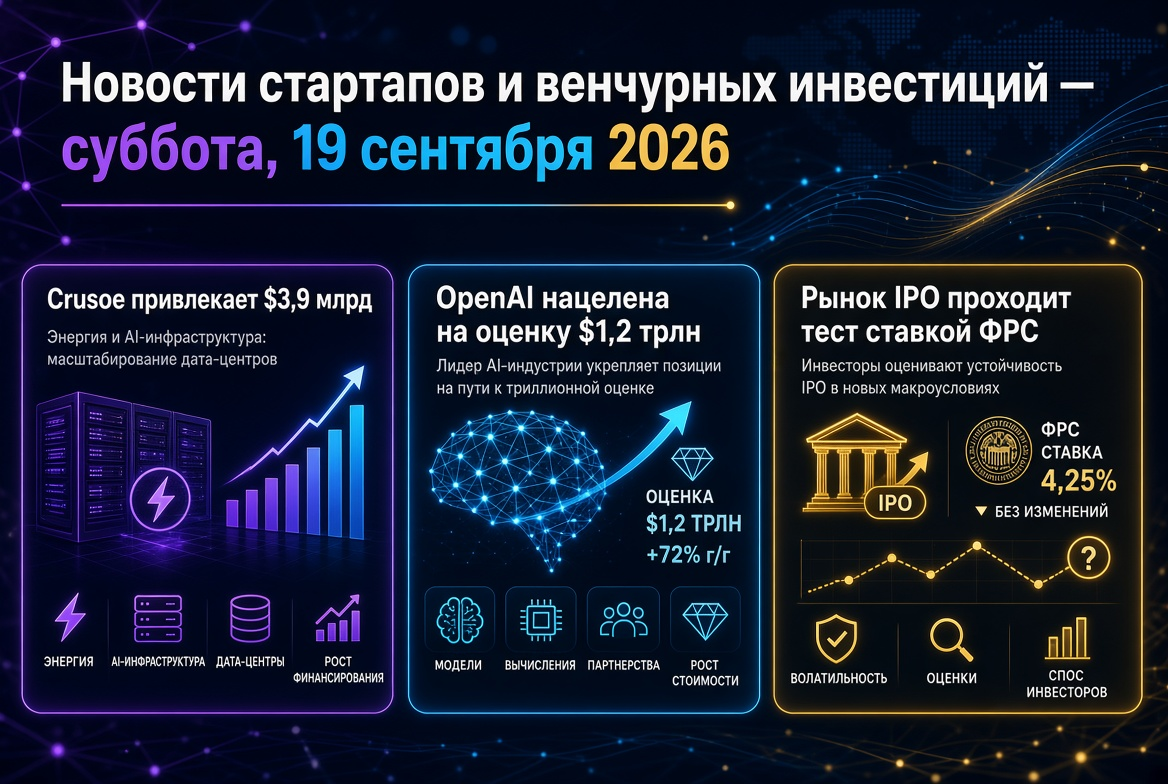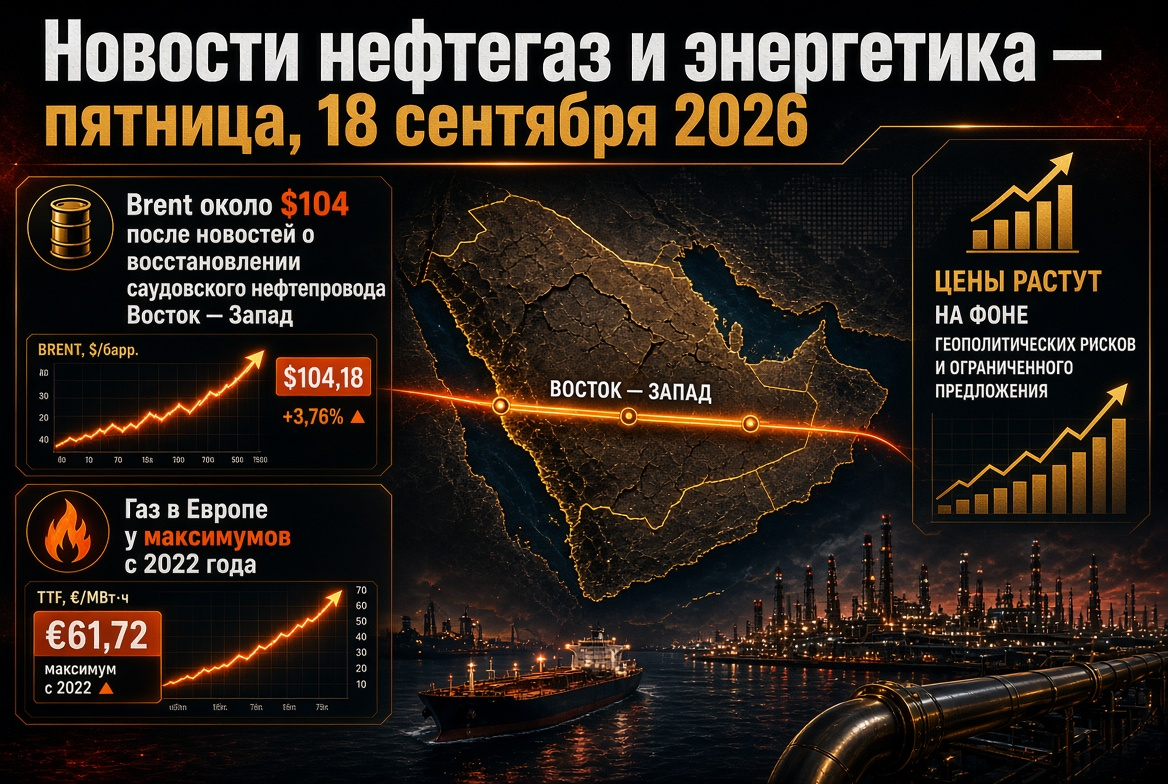
Startup and Venture Investment News — Monday, 2 February 2026: AI Mega-Rounds, Consolidation, and the Revival of IPOs
By February 2026, the global venture market is exhibiting continued robust growth following previous downturns. Investors worldwide are once again actively funding technology startups — record-breaking deals are being made, a queue of anticipated IPOs is forming on the horizon, and major funds are raising unprecedented capital. Governments and corporations are ramping up their support for innovation, returning private capital to the startup ecosystem and underpinning the new market developments.
The surge in venture activity encompasses all regions. The US retains its leading position (especially within the artificial intelligence sector), the Middle East has reached record investment levels, Europe is witnessing a rise in deals (Germany has surpassed the UK in venture investment for the first time), and there is a capital influx in India and Southeast Asia amid a relative decline in China. The startup ecosystems in Russia and the CIS are also striving to keep pace by launching local funds and initiatives, although their dynamics remain restrained due to external limitations. Overall, the industry is forming a new venture boom, with investors acting selectively and paying close attention to project quality and the sustainability of business models.
Below are the key events and trends shaping the venture market agenda for 2 February 2026:
- Return of Mega Funds and Large Investors. Leading venture players are raising gigantic new funds and significantly increasing investments, flooding the market with capital and igniting risk appetite.
- Record Rounds in AI and New Unicorns. Unprecedented funding is elevating startup valuations to unseen heights, particularly in the AI sector, generating a wave of new unicorn companies.
- Revival of the IPO Market. Successful stock placements of technology companies and new high-profile plans to go public confirm that the long-awaited "window" for exits has reopened.
- Diversification of Sector Focus. Venture capital is flowing not only into AI but also into fintech, climate technologies, biotech, defence developments, and even crypto startups, encompassing a broader range of innovations.
- Wave of Consolidation and M&A Deals. Major mergers, acquisitions, and strategic investments are reshaping the industry landscape, creating new opportunities for exits and accelerated company growth.
- Local Focus: Russia and the CIS. Despite limitations, new funds and programmes are emerging in the region to support local startups and drive the development of local technology ecosystems.
Return of Mega Funds: Big Money Back in the Market
The largest investment players are triumphantly returning to the venture arena, signifying a renewed appetite for risk. Major Silicon Valley funds and global investors are attracting substantial resources: accumulated reserves of "dry powder" are estimated in the hundreds of billions of dollars, ready for deployment as market confidence strengthens. For instance, Japan's SoftBank is boosting its presence — in addition to launching Vision Fund III (previously announced at approximately $40 billion for advanced technologies), discussions are underway regarding its involvement in a colossal round for OpenAI. Reports indicate that SoftBank is prepared to invest an additional $30 billion, while OpenAI is seeking up to $100 billion in funding at a potential valuation of approximately $800 billion. Such moves confirm the return of "big money" to the technology sector.
Sovereign funds in the Middle East are also on the rise: investments in startups there reached a record $3.8 billion in 2025 (an increase of around 74% year-on-year). Saudi Arabia and the UAE are directing billions towards technology projects, creating regional tech hubs and mega-programmes to support startups. Concurrently, new venture funds are emerging globally — both corporate and public-private partnerships — aimed at fostering innovation. For example, the German government launched the Deutschlandfonds transformation fund with €30 billion to stimulate high-tech industries. These giant funds and programmes are filling the startup market with liquidity, heightening competition for the best deals, and instilling confidence in the industry regarding the long-term inflow of capital.
Record Investments in AI and a New Wave of Unicorns
The artificial intelligence sphere is the main driver of the current venture surge, demonstrating record funding volumes. Investors are eager to secure positions among AI race leaders, directing enormous funds into the most promising projects. It is estimated that in 2025, global investments in AI startups reached approximately $150 billion — almost double the previous record set in 2021. Several companies have quickly emerged as leaders: OpenAI, Anthropic, SpaceX, and Stripe are now valued in the tens or hundreds of billions of dollars and are considered potential "hecto-unicorns" (valued over $100 billion). Elon Musk's startup xAI, for instance, attracted about $10 billion, while OpenAI previously garnered over $8 billion in investments at a valuation around $500 billion, laying the groundwork for a potential IPO with a valuation of up to $1 trillion. Additionally, Anthropic secured a new round of approximately $10 billion in January 2026 at a valuation of about $350 billion. Such massive rounds are often substantially oversubscribed — the excitement surrounding AI startups is reaching its peak.
It is important to note that funding is not limited to end-use AI applications but also extends to infrastructure solutions for them. Venture capital is readily flowing into the "shovels and pickaxes" for the new AI ecosystem: from cloud platforms and specialised chips to data storage systems and energy projects to supply computational power. For instance, the startup PaleBlueDot AI, creating infrastructure for AI, attracted $150 million at a valuation exceeding $1 billion, while Standard Nuclear secured $140 million for the development of advanced nuclear fuel technologies, anticipating demand from AI data centres. The current investment boom is generating a wave of new unicorns — the number of startups valued above $1 billion is rapidly increasing. Although experts warn of potential market overheating and the possibility of a bubble, investor appetite for AI projects remains undiminished.
The IPO Market Awakens: A Window of Opportunity for Exits
The global market for initial public offerings (IPOs) is emerging from a prolonged lull and gaining momentum, providing startups with a genuine opportunity for large-scale exits. A new wave of IPOs has been initiated in Asia, spearheaded by Hong Kong: in recent months, several major technology companies have gone public, collectively raising billions of dollars. Notably, Chinese battery manufacturer CATL successfully conducted an IPO raising approximately $5 billion, reaffirming investors' readiness in the region to actively participate in IPOs again.
The situation is also improving in the US and Europe. By the end of 2025, several unicorns debuted on the stock market with impressive results. For example, American fintech startup Chime conducted its IPO, with its shares rising 30% on the first day of trading. Following it, the design platform Figma went public, attracting approximately $1.2 billion at a valuation of around $15–20 billion, with its shares steadily rising. The success of these placements has served as a signal for other players: leading the list of candidates for IPOs in 2026 are giants such as OpenAI, Anthropic, SpaceX, Stripe, and other highly valued companies poised to be "headliners" of the market. The year 2026 is already being called the "year of hecto-unicorns," with several companies valued over $100 billion potentially going public. Their prospective placements are attracting enormous attention — the success or failure of these IPOs will influence investor sentiment and the perception of the AI boom as a whole.
The revival of activity in the IPO market is crucial for the venture ecosystem. Successful public exits allow funds and early investors to lock in profits, return capital to investors, and reinvest in new projects. The expansion of the IPO "window" enhances the appeal of startups for late-stage financing, as investors once again have a clear path to liquidity. Consequently, the revitalisation of the IPO market strengthens the entire venture investment chain, from seed stage to large exits.
Diversification of Investments: Not Just AI
Venture investments in 2025-2026 are encompassing an increasingly broader range of industries, moving beyond a single dominant theme. Following the decline of previous years, fintech is steadily recovering: significant funding rounds for financial technologies are occurring not only in the US but also in Europe and emerging markets. Investors have rekindled their interest in climate and "green" technologies — in line with the global trend towards sustainable development, record amounts are flowing into climate and environmental startups. A notable example is a coalition of venture funds led by Breakthrough Energy Ventures, which announced the establishment of a new fund worth $300 million for investments in climate innovations in early 2026, demonstrating a growing appetite for this sector.
Interest in biotechnology and medtech is also returning: the emergence of new drugs, vaccines, and digital health platforms is again attracting capital as the industry emerges from a period of reduced valuations. Simultaneously, amid geopolitical tensions, the defence and security segment is growing rapidly: venture investors are actively financing defence technology projects and cybersecurity. By the end of 2025, investments in defence startups in Europe reached a record ~$1.5 billion (about 6% of the entire European venture), reflecting the demand for new developments in the security sector. Finally, trust in crypto startups is gradually returning: after a market cooling, several blockchain projects have once again managed to attract investments. For instance, the US crypto platform Mesh secured $75 million for developing its payment network, while some fintech companies from the crypto space are integrating into traditional finance. Overall, the diversification of sector focus indicates that venture capital is now being distributed more evenly across various technological sectors — from artificial intelligence and finance to climate initiatives and defence, reducing the market's dependence on a single trend.
Consolidation and M&A: Bigger Players on the Scene
Intensified competition and high startup valuations are leading to a wave of consolidation within the industry. Major corporations and financial institutions are increasingly acquiring promising startups, while the startups themselves are merging or selling to strategic investors to obtain resources for further growth. The start of 2026 has been marked by several high-profile mergers and acquisitions deals. In January, the largest banking-fintech deal was announced: American bank Capital One is acquiring fintech unicorn Brex for approximately $5.15 billion — a record instance of a bank absorbing a startup in industry history. Another example is the London investment fund Hg, which agreed to acquire the American software company OneStream for $6.4 billion, buying stakes from shareholders (the deal is set to close in the first half of 2026).
Consolidation is also impacting the European market: in January, the stock exchange operator Deutsche Börse agreed to acquire the financial platform Allfunds for approximately €5.3 billion, making it one of the largest M&A transactions in European fintech. Asian unicorns are also expanding their presence through deals: for instance, the Australian payment company Airwallex has entered the South Korean market by acquiring local startup Paynuri. High-tech giants are not staying on the sidelines — large IT corporations are renewing strategic acquisitions of teams and technologies. For example, Apple acquired an Israeli AI startup in the audio technology space in early 2026, strengthening its competencies in artificial intelligence. This new wave of mergers and acquisitions is reshaping the market landscape: larger combined players are gaining scalability advantages and access to new technologies, while consolidation opens up additional exit pathways for investors through company sales. Ultimately, M&A activity is contributing to the health of the ecosystem, allowing the most successful startups to integrate into larger companies or strengthen positions through mergers.
Russia and the CIS: Local Initiatives Amid Global Trends
Against the backdrop of global revitalisation, the venture market in Russia and neighbouring countries is currently developing more cautiously, but steps are being taken to stimulate its growth. By the end of 2025, the volume of venture investments in Russia decreased by approximately 18%, totalling around $146 million (in comparison, the global market grew by almost 50% during the same period). The number of deals declined by a quarter, and almost all investments were domestic — foreign capital is almost absent in the region. Nevertheless, private investors and funds emerged as key drivers: they increased investments, compensating for the reduced activity of government programmes and corporate venture units. Approximately 70% of deals were allocated to projects in Moscow, with startups in artificial intelligence and machine learning showing the most notable growth (around $70 million was invested in this sector, nearly half of the entire market).
Despite external pressures, new funds and initiatives aimed at supporting technology companies are emerging in Russia and the CIS. New investment holdings with significant equity capital are being established based on reorganised government structures: for example, the recently created "Venture Investments" company has taken on management of assets worth tens of billions of roubles from former "Rosnano" and VEB projects to continue financing IT startups in the Far East. Additionally, major private groups are establishing sector-specific funds: the "Voskhoд" fund (with support from Interros) invested 250 million roubles in a developer of industrial 3D printers, while several new venture partnerships are forming to support import substitution solutions and innovations under sanctions. Startup ecosystems in Kazakhstan, Uzbekistan, and other neighbouring countries are also striving to attract investor attention — for example, the volume of venture investments in Kazakhstan's AI sector has multiplied over the past year, reaching record levels (over $70 million). Although the scales of the regional markets are incomparable to global ones, these local efforts are crucial for technological development in this geography.
Market participants in Russia are pinning hopes for revitalising venture activity in 2026 on improving macroeconomic conditions. A potential decrease in the key interest rate and the emergence of successful local IPOs or stake sale deals could enhance the attractiveness of investments in startups. For now, in the absence of stable exits, investors in the region are focused on relatively mature projects with revenue and a clear business model, where risks are more predictable. Nonetheless, even in a challenging environment, interest in technologies in Russia and the CIS remains, and the local venture market is striving to leverage the best global practices and trends as much as possible.
Cautious Optimism: Quality Growth Ahead
At the start of 2026, the venture industry is in a state of moderate optimism. Following a period of turbulence, there is a noticeable recovery: large funds are once again investing, high-profile deals and successful IPOs are returning confidence to market participants. However, the lessons from previous years have led to a more measured approach — even amid the boom, investors are carefully selecting projects, prioritising the quality of the team, the sustainability of the business model, and the potential for profitability. This is especially true for overheated segments such as artificial intelligence, where grandiose valuations coexist alongside a heightened focus on actual commercial metrics.
As a result, the global startup market is entering 2026 both inspired and cautious. On one hand, record funding volumes, the return of “long” money, and expanded exit opportunities create a solid foundation for the next wave of technological advancement. On the other hand, risks of overheating persist in certain niches, and macroeconomic and geopolitical factors require maintaining vigilance. Nevertheless, the overall trend is positive: venture capital continues to serve as a driver of innovation, and the startup ecosystem is globally moving towards a more mature and balanced growth trajectory. In the coming months, investors and entrepreneurs will be eager to seize the opportunities presented, all while adhering to principles of cautious optimism and focusing on the long-term value of the companies they create.