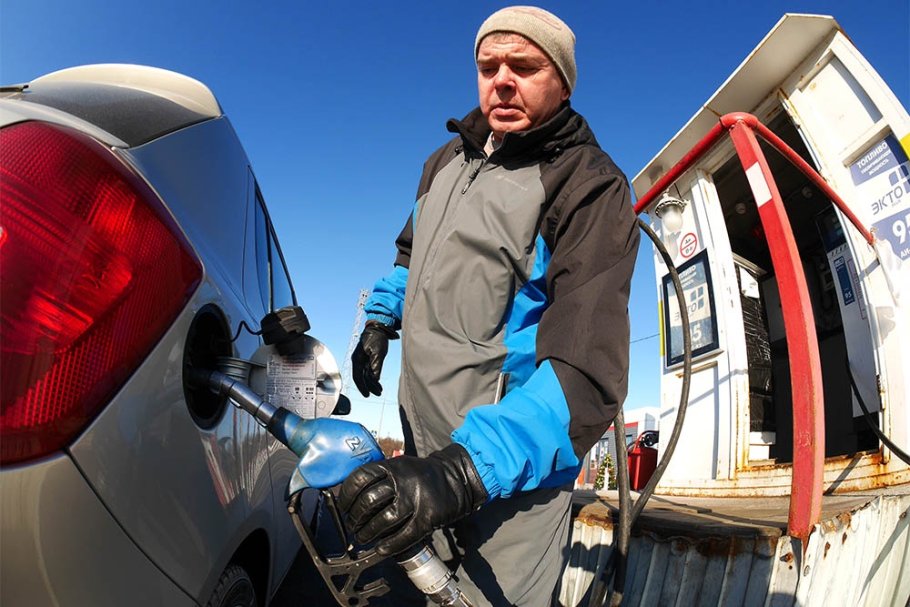
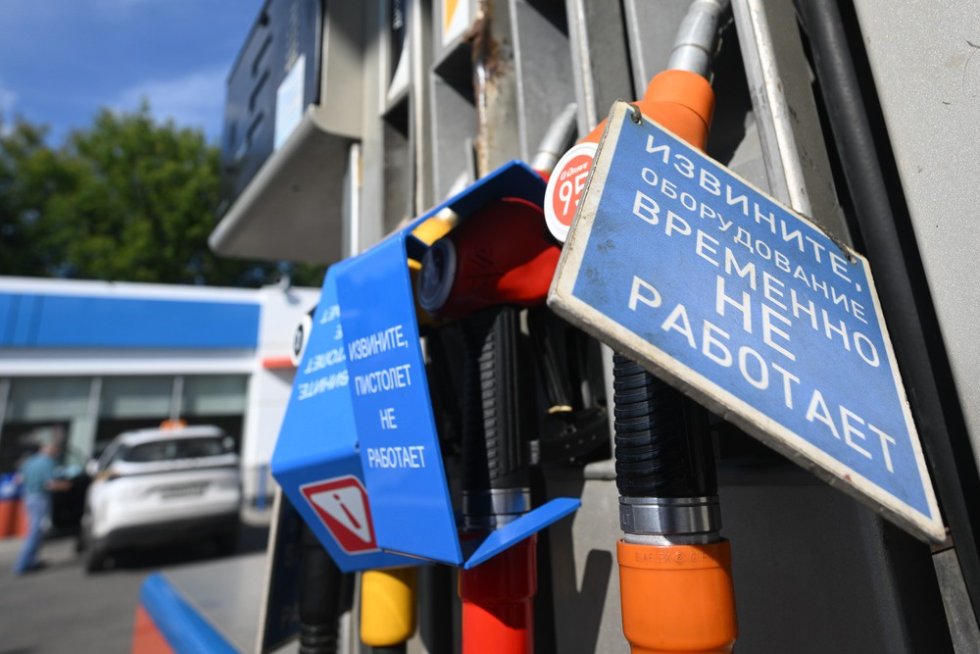
Reports of petrol shortages and queues at filling stations have been coming from parts of the southern and central regions of the European part of Russia, including Moscow and surrounding areas, as well as some southern districts of Siberia and the Far East.
During a meeting with Deputy Prime Minister Alexander Novak on 14 August, it was noted that the situation in the fuel market remains tense, although major oil companies are taking all necessary measures to increase supplies to the most vulnerable regions of the Russian Federation. It was also emphasised that agricultural enterprises are sufficiently supplied with fuel, and the harvesting campaign is proceeding as scheduled.
Following the meeting, Novak instructed relevant agencies and oil production companies to implement additional measures to ensure fuel supplies in regions currently facing difficulties. Moreover, he mandated that the prices for fuel for agricultural producers, as well as prices at filling stations, be closely monitored.The harvesting equipment operated by agricultural workers primarily runs on diesel fuel (DF). Its supplies to the market normalised in the second half of July, and there are currently no recorded disruptions. The fact is that DF has historically been produced in significantly larger quantities in Russia than petrol. According to the latest official data, in 2024, petrol production reached 41.1 million tonnes, while diesel production was 81.6 million tonnes. This situation is attributed to the fact that a substantial portion of DF (nearly half) was previously exported to Europe, whereas only a small fraction of petrol (10-15% of production volume) was sent abroad.
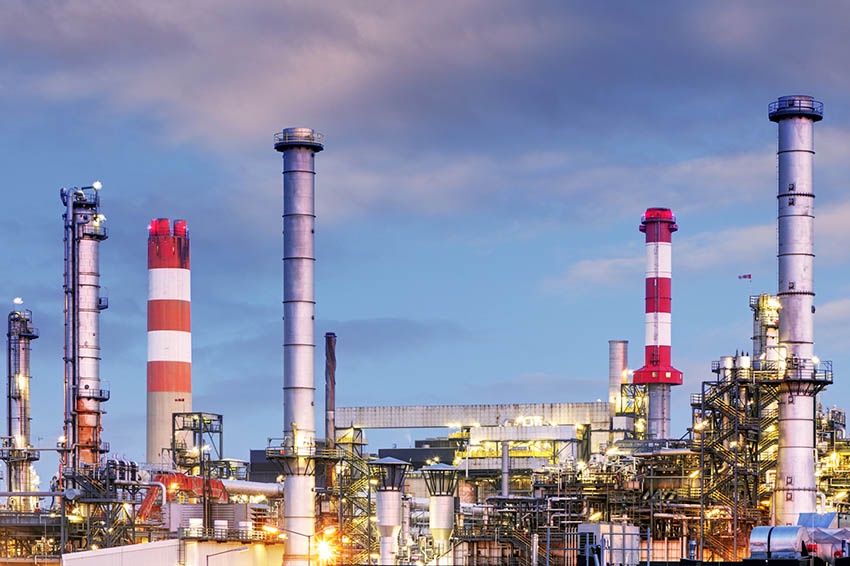
Consequently, the halt of oil refineries (ORFs) due to damage sustained from drone strikes has critically impacted the petrol supply. It is no coincidence that its export has been fully prohibited since April, with almost all produced volumes being directed to the domestic market (except for batches sent under intergovernmental agreements). However, the current amount is clearly insufficient. Although, it is possible that the issue may not be solely related to a physical shortage.
One of the main factors affecting the reliability of fuel supplies remains logistics. Due to unplanned repairs at the ORFs, many filling stations have been forced to abruptly change suppliers, leading to interruptions and delays in deliveries. The infrastructure is not elastic - it is not possible to load, transport, and unload more than what, for example, the capacity of the railway allows.
Additionally, as noted by Sergey Tereshkin, the CEO of Open Oil Market, in a conversation with "RG", even before the ORF shutdowns for unplanned repairs, the ban on petrol exports had effectively become permanent.
This means that even prior to this year, the balance of petrol supply and demand in the domestic market was close to zero. A gradual, albeit limited, renewal of the vehicle fleet could have led to an increase in the demand for AI-95 petrol after 2022, while sanctions on equipment supplies for Russian ORFs have hampered the expansion of refining capacity.
According to Sergey Frolov, managing partner at NEFT Research, it cannot be stated that there is a nationwide fuel crisis at this time; rather, the situation involves local shortages in specific regions. The primary cause is the planned and unplanned repairs at Russian ORFs. Government measures are in place, but they cannot fully eliminate the primary reason for the shortage of petroleum products - a reduction in production.
In order to prevent a fuel shortage, the government has allowed imports since July. Belarus has become the main supplier. According to Reuters, in July Russia received 212,000 tonnes of petrol and 162,000 tonnes of DF from there. However, the capacities of the two Belarusian ORFs are also not limitless. In fact, considering domestic consumption, exporting over 200,000 tonnes of petrol to Russia per month is close to their maximum capabilities. Moreover, there is once again the logistics factor - fuel is transported to Russia by rail. Additionally, importing petrol by sea is very expensive and time-consuming. The delivery of the first batch of petrol from India to Russia took 48 days.
Tereshkin believes that in September and October, the market is unlikely to see record June rates of price increases, as participants in the fuel supply chain gradually adapt to the risks of shortages. However, he believes that the absolute price level will still surpass pre-crisis levels.
Regarding the availability of fuel at filling stations, by the end of August, additional volumes of fuel below Euro-5 standards, which have been allowed for sale since 13 August, are expected to reach retail. These should alleviate the tension in the market. However, Frolov notes that even the production of petrol of a lower ecological class cannot fully compensate for the lost volumes and resolve the logistics issues of delivering fuel to specific areas.
Tereshkin also points out that, unfortunately, it is currently impossible to rule out the likelihood of new technological downtimes at the ORFs. In addition to the loss of capacity due to unforeseen circumstances, planned repairs will also affect fuel availability.
According to Dmitry Gusev, Deputy Chairman of the Supervisory Board of the Association "Reliable Partner" and member of the Expert Council for the "Filling Stations of Russia" competition, there is a general understanding that the market needs to be reformatted. The transition to direct contracts between suppliers and buyers has already begun, along with a reduction in the number of intermediary sellers - traders. The situation is expected to normalise once the parameters of how the fuel market should operate in our country become definitively clear. This is likely to happen by October, according to the expert.
From Frolov's perspective, the situation can only be fully stabilised when the repairs of the ORF capacities are completed, sufficient to meet the current demand.
Source: RG.RU