Current Global News on the Oil, Gas, and Energy Sector as of 14 December 2025: Oil Prices, European Gas Market, Sanctions, Oil Products, Renewable Energy Sources, Coal, and Investments in the Fuel and Energy Complex. Comprehensive Analytical Review.
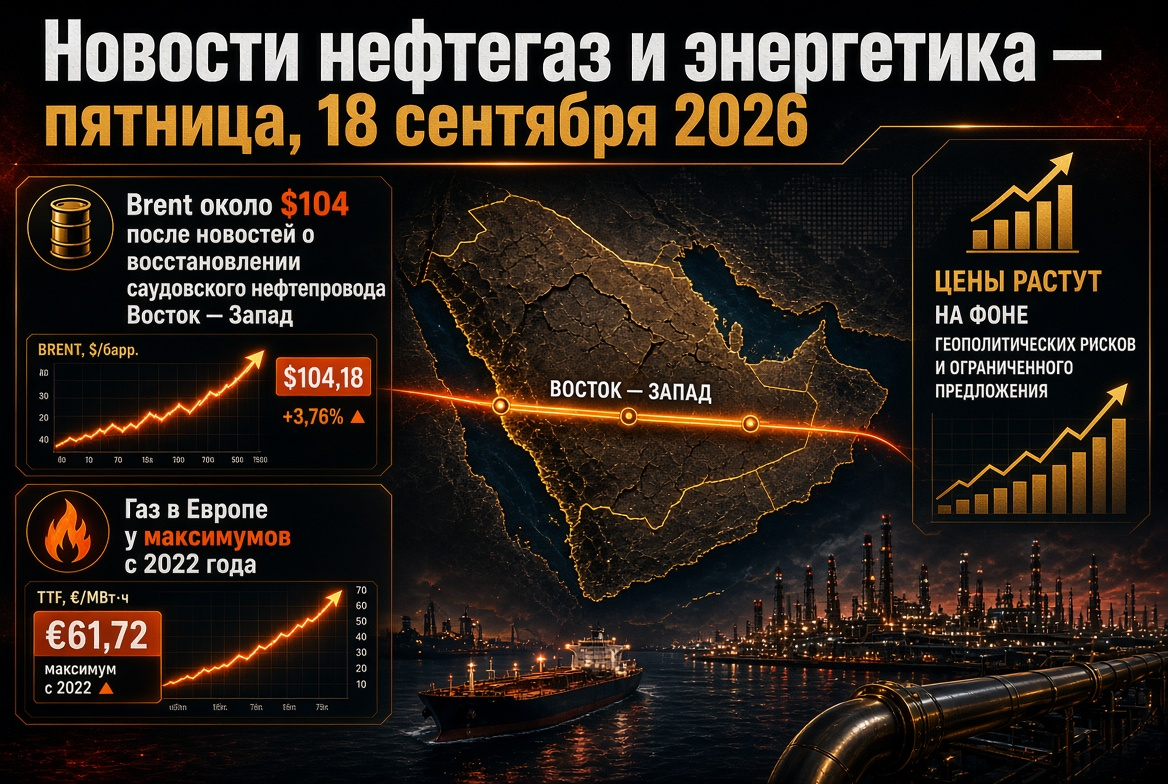
Key developments in the global fuel and energy complex (FEC) as of 14 December 2025 indicate that global markets continue to grapple with an oversupply of resources amid ongoing geopolitical tensions. Oil prices remain at their lowest levels in recent years: Brent crude is trading at approximately $60-62 per barrel, while American WTI is around $57-59. These levels are significantly lower than those seen in mid-year, as the market is pressured by increased supply amid slowing demand and cautious optimism regarding potential peace talks concerning Ukraine. The European gas market enters winter without signs of shortages: underground gas storage in the EU is still over 70% full, while wholesale prices (TTF hub) hover around €27-29 per MWh (approximately $330 per 1,000 cubic meters), well below the extreme peaks of previous years. Record supplies of liquefied natural gas (LNG) and an unexpectedly mild start to winter ensure an abundance of fuel and relatively low gas prices.
Meanwhile, geopolitical tensions surrounding energy markets remain high. Western countries maintain strict sanctions on the Russian oil and gas sector: the European Union has legally formalised a complete ban on imports of Russian pipeline gas by 2027 and continues to reduce remaining oil purchases from Russia. Diplomatic attempts to resolve the conflict have so far yielded no tangible results, although the US and Ukraine conducted consultations on a peace plan in early December, sparking cautious hopes for the initiation of a negotiation process. However, Russia is not participating in these contacts, and hostilities continue unabated, leaving little ground for lifting sanctions or easing confrontations.
Supplies of energy resources remain threatened by potential military incidents, but the global market is currently compensating for local disruptions. The US is intensifying sanction controls over international oil flows: in early December, Americans seized a tanker carrying oil off the coast of Venezuela and are preparing to intercept more vessels violating the sanctions regime. In parallel, Ukrainian strikes on energy infrastructure—such as attacks on oil facilities in the Black and Caspian Seas—heighten uncertainty. Nevertheless, the global energy supply system demonstrates resilience to such shocks, and market participants hope to avoid a direct confrontation between NATO and Russia that could trigger a global energy crisis. Within Russia, authorities are continuing emergency measures to stabilise the fuel market following an autumn shortage of gasoline and diesel—exports of oil products remain tightly restricted to saturate the domestic market. Simultaneously, global energy is accelerating its "green" transition: investments in renewable energy sources are hitting new records, and leading economies are announcing ambitious plans to reduce their dependence on fossil fuels.
Oil Market: Prices At Lows Amid Oversupply and Hope for Peace
- Global Supply: The global oil market remains oversupplied. OPEC+ countries and other producers collectively extract more oil than the market consumes at current demand levels. Commercial crude inventories in key regions are at a high level, exerting downward pressure on prices.
- OPEC+ Decisions: The cartel and its allies are exercising caution. In the latest meeting, leading OPEC+ participants agreed to maintain production quotas for Q1 2026 at the December 2025 level, effectively extending current restrictions. If necessary, the coalition is prepared to swiftly adjust production levels: a reserve capacity of approximately 1.65 million barrels per day can be gradually returned to the market if conditions demand it.
- US at Maximum: Oil production in the United States is close to record levels. Despite a reduction in the number of active rigs, technological efficiency enabled new highs to be reached in mid-2025 (in the continental states, production exceeded 11 million barrels per day). The high production levels in the US add significant volumes to the market, compensating for some of the reductions from OPEC+.
- Local Disruptions: Recent incidents have only temporarily affected exports. In early December, Ukrainian drones damaged one of the KTK terminals in the Black Sea (the route for Kazakh oil exports); however, shipments quickly resumed via backup facilities. Additionally, Libya's largest oil port suspended operations from 5-6 December due to a storm, but this interruption did not cause a spike in prices. Reports also emerged of a Ukrainian drone attack on a Russian oil platform in the Caspian Sea, which heightened tensions but did not significantly impact supplies. These events did not lead to price increases—the market is capable of absorbing short-term shutdowns given the current balance of supply and demand.
- Price Benchmarks: Brent remains within a narrow range of approximately $60-62 per barrel (over 20% below autumn levels). Investors expect prices to remain subdued in the near term: there is no sharp recovery in demand anticipated, and the easing of monetary policy in the US only moderately supports commodity markets. However, any new geopolitical shock (escalation of conflict or significant production disruptions) could trigger a brief price spike.
Gas Market: Europe Enters Winter with Comfortable Reserves and Low Prices
- High Storage Levels: By mid-December, European gas storage facilities are approximately 75% full. Inventories are gradually decreasing with the onset of cold weather but still significantly exceed average levels for this time of year. The established buffer sharply reduces the risk of gas shortages in the depths of winter.
- Record LNG Imports: The supply of liquefied natural gas to Europe remains at a historically high level. Weakened demand for LNG in Asia has freed up additional volumes for the European market, partially compensating for the cessation of pipeline supplies from Russia. The US has notably increased its LNG exports, becoming a key external gas supplier to the EU amid rising demand.
- Diversification of Sources: European countries are strengthening energy security through alternative suppliers. Purchases of gas from Norway, Algeria, Qatar, Nigeria, and other regions have increased. New infrastructure—from LNG terminals to international interconnectors—is operating at maximum capacity, ensuring a stable influx of fuel from various parts of the world.
- Low Prices: Wholesale gas prices in the EU are now significantly below the peak values of 2022. The Dutch TTF index remains below €30 per MWh (about $330 per 1,000 cubic meters) and continues a steady decline for the fourth consecutive week. Despite seasonal increases in consumption and periodic reductions in renewable energy generation, the market remains balanced due to the abundance of supply. New price spikes are not forecast unless there is an exceptionally cold winter or other force majeure events.
Russian Market: Stabilisation After Fuel Shortages and Extension of Export Restrictions
- Ban on Gasoline Exports: The Russian government implemented a temporary full ban on the export of automotive gasoline by all producers and traders (with the exception of minimal supplies under intergovernmental agreements) at the end of August. Initially set to last until October, the autumn fuel crisis forced an extension of this measure, effectively keeping the ban in place until the end of the year to maximise gasoline supply to the domestic market.
- Restrictions on Diesel: Simultaneously, the ban on diesel fuel exports for independent traders has been extended until the end of 2025. Oil companies with their own refineries are permitted limited diesel exports to avoid halting processing due to full tanks. These measures aim to prevent a repeat of fuel shortages in the domestic market, which caused a spike in wholesale prices during the autumn.
- Domestic Stabilisation: Due to these measures, the situation at petrol stations has improved significantly. Prices for gasoline and diesel fuel within the country have retreated from the peaks of September and have stabilised under state control. Long-term regulatory mechanisms are also being considered—adjustment of the "damper," preferential lending for independent petrol stations, and changes to the tax burden— to avoid further supply disruptions in the future.
- Production and Redirection of Exports: Russian oil production at the end of 2025 hovers around 9.5 million barrels per day, in line with OPEC+ quotas. At the same time, oil exports are being redirected from European markets to Asian ones: buyers from India, China, and other Asian countries are purchasing Russian oil at a discount to global prices. In the gas sector, pipeline gas exports to Europe have decreased to new lows, but supplies to China via the "Power of Siberia" route reached unprecedented levels, partially compensating for lost markets.
Sanctions and Policy: Intensified Pressure from the West Amid Attempts at Dialogue
- Long-term EU Restrictions: Brussels is formalising its legislative refusal of Russian energy carriers. On 4 December, EU institutions agreed on a regulation mandating that imports of Russian pipeline gas must be entirely discontinued by 1 November 2027. Simultaneously, EU countries aim to accelerate the reduction of remaining purchases of Russian oil and oil products, despite potential costs for their refiners.
- G7 Measures: The "Group of Seven" and its allies maintain stringent sanctions against the Russian FEC. A price cap on Russian oil remains in effect, along with an embargo on many types of oil products. Financial restrictions complicate payments and the insurance of transactions involving Russian oil and gas. Although some Asian importers continue to increase purchases from Russia, circumventing restrictions, the collective West shows no signs of readiness to ease sanctions until the conflict is resolved.
- Increased American Control: The US is intensifying enforcement of sanctions in the global oil market. Following the seizure of a sanctioned tanker carrying Venezuelan oil in early December, Washington is reportedly preparing to intercept more vessels transporting oil from Venezuela in violation of sanctions. These actions demonstrate that sanction pressures are being upheld not only regarding Russia but also other exporting countries, creating risks for the global market.
- Diplomacy and Negotiations: In the past week, the US and Ukraine have held several rounds of consultations on a peace settlement, outlining the framework for a potential agreement. These contacts have generated cautious optimism regarding the prerequisites for initiating a peace process. However, Russia is not partaking in these negotiations, and hostilities continue without reduction in intensity. There are currently no genuine grounds for lifting sanctions or easing geopolitical confrontations.
- Market Risks: The situation remains tense. Strikes continue on energy infrastructure within the context of the conflict: attacks on oil terminals, gas facilities, and electrical networks heighten uncertainty. Any escalation impacting export routes (such as oil transit through the Black Sea or residual gas supplies through Ukraine) could destabilise markets. Nevertheless, the global energy supply system continues to exhibit resilience to local shocks, and market participants hope to avoid a direct confrontation between NATO and Russia that could trigger a global energy shock.
Asia: India and China Strengthening Energy Security
- India’s Position: Under pressure from the West, New Delhi temporarily reduced purchases of Russian oil in late autumn; however, India remains one of Moscow's largest clients. Indian refineries are actively processing available Urals oil at discounted prices to cover domestic fuel needs. Excess volumes of oil products are being exported by Indian companies, including to European markets, effectively delivering Russian barrels to end-users after processing.
- China's Strategy: Despite economic slowdown, Beijing retains a key role in the global energy market. Chinese importers are diversifying supply channels: new long-term contracts for LNG purchases have been signed (with Qatar, the US, etc.), and pipeline gas deliveries from Russia have increased (volumes via "Power of Siberia" reached record highs this autumn). Concurrently, China is building up its strategic oil reserves and stimulating domestic production, striving to reduce reliance on foreign sources.
- Growing Demand: Developing Asian economies continue to increase energy resource consumption. In 2025, regional demand for oil and natural gas rose, although the rate of growth slowed somewhat due to last year’s high prices and more moderate GDP growth. India demonstrates a steady increase in fuel usage (gasoline, diesel) as its vehicle fleet and industry expand. China is focusing on gasification and electrification of its economy, supporting high demand for natural gas and electricity. Both countries’ long-term goal is to meet energy consumption without undermining environmental objectives; consequently, renewable energy capacities are also expanding rapidly.
Renewable Energy: Record Investments Supported by Governments
- Record Growth: 2025 has become another record year for investments in renewable energy sources. Analysts estimate that global investments in "green" energy have surpassed $1 trillion, outpacing investments in fossil fuels. Renewable energy capacities are growing at unprecedented rates: a total of over 300 GW of new solar and wind power plants have been commissioned worldwide in the past year, exceeding last year’s figures.
- Climate Policy: At the COP30 climate summit held in November in Brazil, the global community reaffirmed its commitment to accelerating the energy transition. Countries agreed to aim for tripling the installed capacity of renewables by 2030 and set an annual financing target of $1.3 trillion for climate initiatives. Numerous governments and companies announced new emissions reduction targets and increased shares of clean energy, bolstered by subsidies and tax incentives.
- New Projects: Large-scale clean energy initiatives are being implemented worldwide. In Europe, new offshore wind farms have been commissioned. Giant solar farms are being constructed in China and India, while the first hydrogen hubs based on solar and wind energy are being launched in the Middle East. The storage systems boom continues, with many countries introducing large battery complexes to balance the irregularity of renewable energy generation. Despite economic challenges, investors maintain a strong interest in the "green" sector, anticipating long-term returns from low-carbon projects.
Coal Sector: Strong Demand Supports the Market, but Peak has Passed
- Asian Demand: China, India, and Southeast Asian countries remain the largest consumers of coal. In 2025, global coal consumption holds close to historical maximums due to these regions, where coal continues to dominate electricity generation. Developing economies are reluctant to abandon cheap coal, especially in the face of rising energy consumption, using it to meet the baseload energy demand.
- Signs of a Plateau: Despite high demand levels, growth in the coal market is slowing. Analysts note that global coal consumption has likely plateaued and will begin to decline in the coming years as new capacities in renewable energy and gas-fired power plants come online. In several countries, a decrease in coal generation is already being recorded: the US and Europe are closing coal-fired power plants, while in China, plans for new coal mines and stations are being scaled back in line with declared carbon neutrality goals.
- Prices: Global coal prices have stabilised after a tumultuous rise in 2022. The benchmark index for energy coal (ARA, Europe) hovers around $95-100 per tonne, significantly lower than last year's peaks. In Asia, pricing has also decreased due to improved logistics and increased output from major exporters (Australia, Indonesia, Russia). No significant price spikes are forecast in the future unless there is an exceptionally cold winter or other unforeseen circumstances.
- Pressure from Energy Transition: The coal sector is feeling increasing pressure from environmental constraints. International banks and funds are increasingly refusing to finance coal projects, and investors demand emission reduction strategies from companies. Even countries heavily reliant on coal are declaring plans to gradually reduce the share of coal generation by the 2030s. All this indicates that the global "coal peak" is near or already passed, and its role will gradually decline in the long-term perspective.
Oil Products and Refineries: Demand for Diesel Rising, Gasoline Stagnating
- Distillates on the Rise: Global consumption of distillate fuels—primarily diesel and aviation fuel—continues to increase. Global air travel has nearly returned to pre-crisis levels, driving growth in aviation kerosene demand. Diesel remains the backbone of transport and industry: logistics, agriculture, and construction expansion in developing countries support high demand for diesel. Refineries in numerous regions are increasing the yield of diesel fractions to take advantage of favourable market conditions.
- Gasoline: Consumption of automotive gasoline in developed countries has reached its peak and is beginning to decline. Improvements in fuel efficiency, growth in hybrid and electric vehicle sales, and environmental restrictions in cities are reducing gasoline demand in Europe and North America. However, in developing economies (Asia, Africa, Latin America), gasoline use is still rising alongside vehicle ownership. Globally, however, the gasoline market is in a stage of stagnation, prompting refiners to adapt to new realities.
- Refinery Adaptation: The oil refining industry is adjusting to structural shifts in demand. New high-tech refineries in Asia and the Middle East are focusing on producing the most in-demand products—diesel, aviation fuel, and naphtha for petrochemicals. Simultaneously, older capacities suffering from low margins and tightening environmental regulations continue to be phased out in OECD countries. In 2025, global oil refining volume saw a slight increase compared to last year; however, investments are primarily concentrated in regions with rising demand, while in Europe and the US, industry capital is shifting towards biofuel production and petrochemicals.
Companies and Investments: Industry Consolidation and Project Diversification
- Russian Players: Energy companies in Russia are adapting to sanctions and relying on domestic resources for development. Gazprom Neft plans to issue up to 20 billion rubles in ruble bonds with a floating interest rate tied to the key rate of the Central Bank to attract funding amid closed external capital markets. Rosneft is advancing its "Vostok Oil" megaproject in the Arctic, constructing infrastructure for the development of giant fields in the Taymyr Peninsula; the project is expected to significantly increase oil production by the end of the decade.
- Majors' Strategies: Western oil and gas giants (ExxonMobil, Chevron, Shell, BP, etc.) are maintaining spending discipline in the face of low prices. They are focusing on projects with maximum returns and limiting capital expenditure growth, prioritising shareholder value—paying stable dividends and conducting share buybacks. Consolidation continues: in the US, several major deals have taken place over the last two years (ExxonMobil acquired the shale company Pioneer Natural Resources, and Chevron acquired the company Hess), strengthening the positions of supermajors and their resource base.
- Middle East and New Directions: State companies in the Persian Gulf are actively investing in both traditional oil and gas as well as emerging sectors. Saudi Aramco, ADNOC, and QatarEnergy are expanding oil and gas production, constructing refineries and petrochemical complexes while simultaneously funding projects in hydrogen, carbon capture, and renewable energy. Oil exporters are thereby diversifying their business models, preparing for the gradual transition of the global economy to low-carbon sources. Overall, global investments in oil and gas exploration and production in 2025 showed moderate growth compared to the lows of recent years—reflecting cautious optimism within the sector regarding future hydrocarbon demand.