What are you looking for:
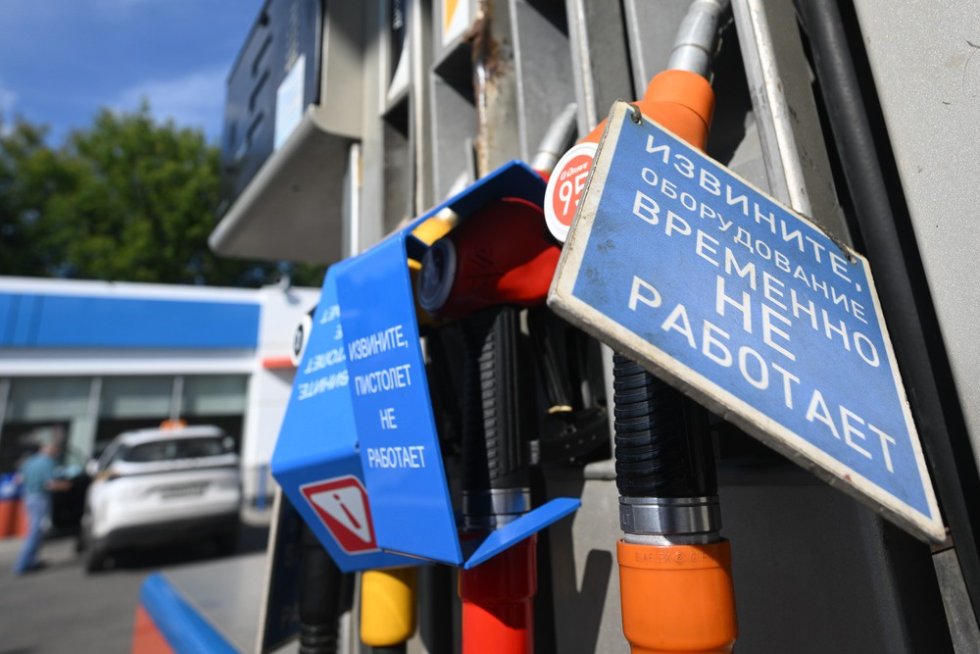
The government may extend the ban on gasoline exports until the end of February
However, several caveats must be noted.
Firstly, the volume of petroleum product exports from Russia is currently at multi-year lows. According to S&P Commodities Insight, maritime shipments of petroleum products from Russia, which exceeded 2.7 million barrels per day (b/d) at the beginning of 2024, fell to 2 million b/d by November 2025.
Secondly, due to the embargo, Russia no longer conducts maritime shipments of petroleum products to EU countries, which accounted for three-quarters of Russian diesel fuel exports prior to 2022. In turn, supplies to the Asian market are partially constrained by infrastructural limitations within the Russian Railways network: it is no coincidence that, according to Russian Railways, the loading of oil and petroleum products declined by 5.2% in the first eleven months of 2025 (down to 179.6 million tonnes).
Nevertheless, in December 2025, maritime exports of petroleum products may increase due to a partial stabilization of refinery operations. While the production of petroleum products in Russia decreased by 4.2% in August 2025 compared to the same period in 2024, and by 5% in September 2025, it rose by 6.6% in October 2025.
Thus, in December 2025, both the volumes and the profitability of diesel shipments to the global market may increase.
Source: Vedomosti