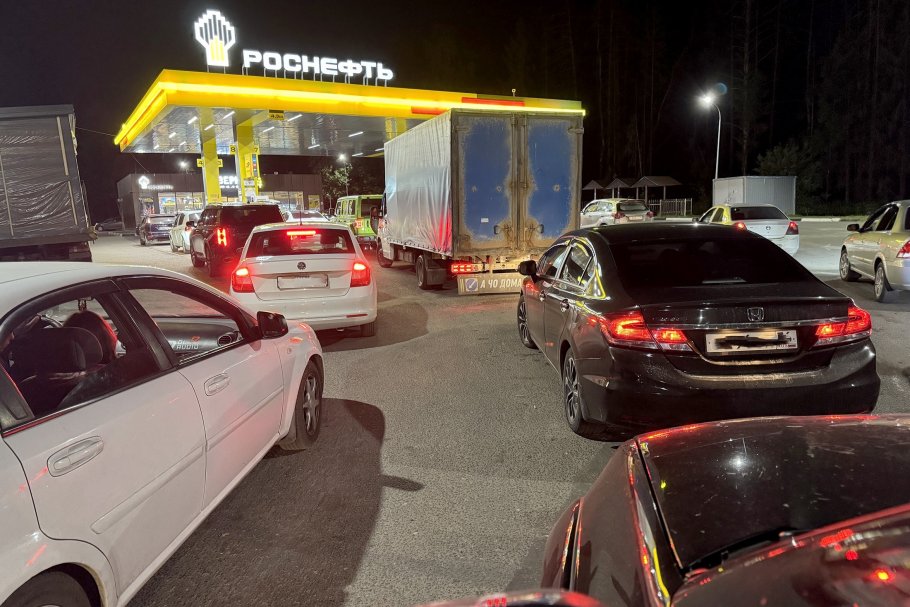
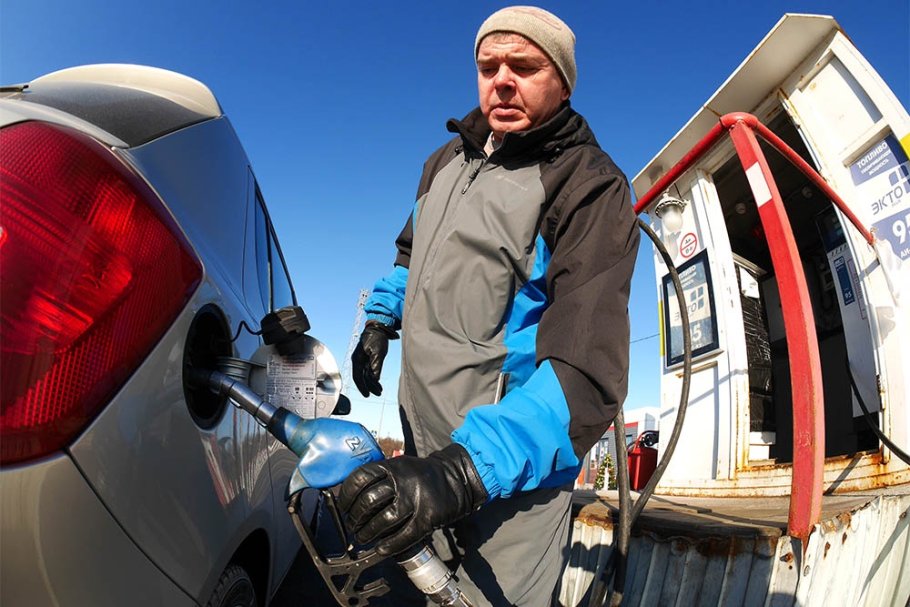
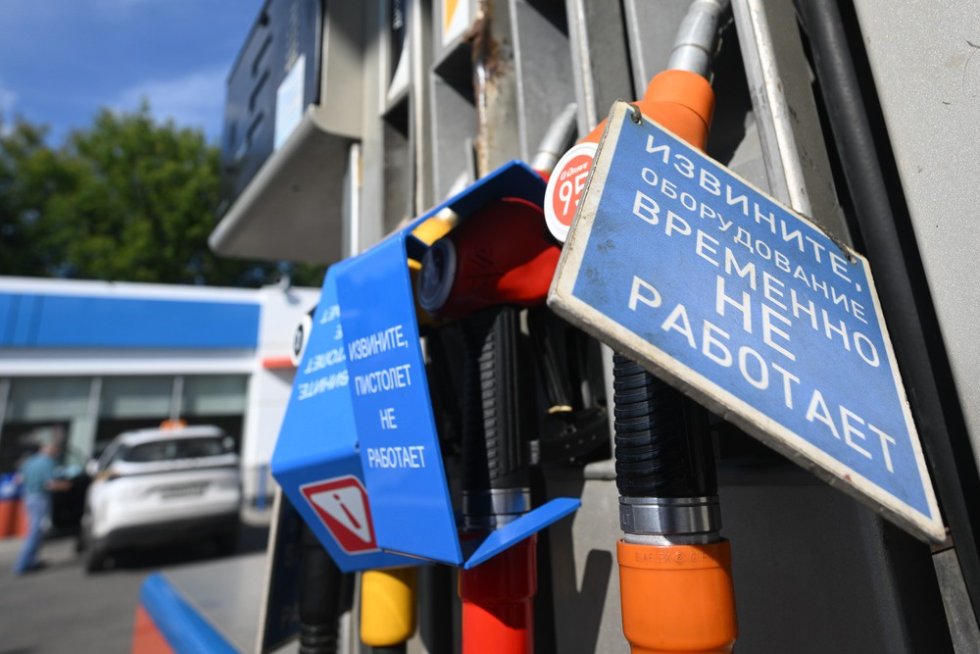
Last week, there was a noticeable acceleration in fuel price growth at gas stations in the capital. The price of AI-95 gasoline increased by 0.3% over the course of seven days, while diesel rose by 0.6%. According to the Moscow Fuel Association (MTA), the average cost of AI-95 at Moscow gas stations reached 71.17 roubles per litre, while diesel fuel was priced at 77.93 roubles per litre.
Rosstat's data for the entire country will only be available on the evening of 27 May, but typically, their statistics align closely in terms of dynamics with MTA's figures. Moreover, Moscow and the surrounding region boast over 2,400 gas stations, accounting for 8.4% of all gas stations in Russia. While prices vary among regions, their trends generally exhibit uniformity across the country, barring cases of local shortages. Since late April, the average weekly price increase for gasoline in Russia has not exceeded 0.1%.
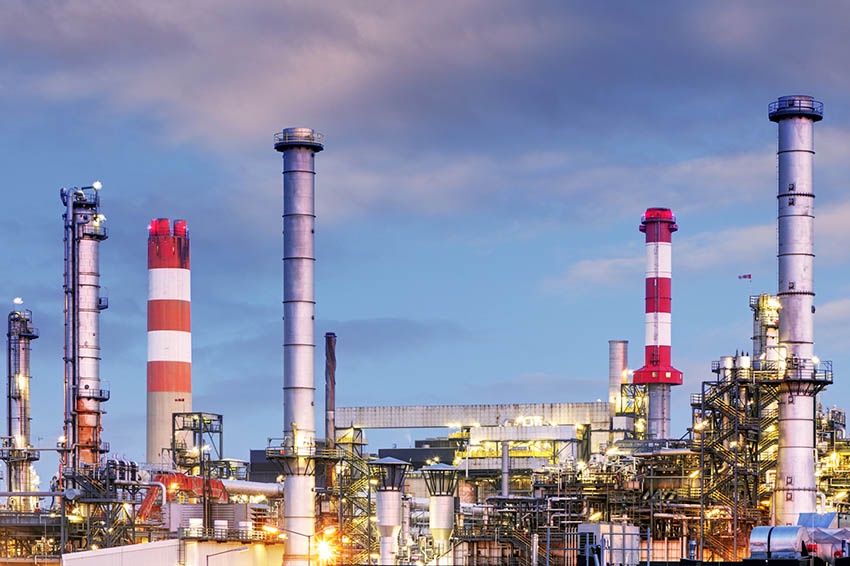
The accelerated price hikes have occurred against a backdrop of reports about mass drone attacks on oil refineries in the European part of Russia. While attacks in April targeted facilities primarily operating for export, since the beginning of May, plants supplying the domestic market—specifically for Moscow and the surrounding region, Central Russia, the Northwest, South Russia, the Volga region, and the Urals—have also come under attack. According to Reuters, production was halted or reduced at five major refineries in Russia. However, this is unlikely to be the primary reason behind the price increase. Instead, unplanned refinery repairs have provided a pretext for price surges due to existing internal issues in oil refining, exacerbating the situation.
This is evidenced by the unexpected rise in diesel prices. There is no reason to speak of a diesel shortage in the country, as production is nearly double the domestic demand. Nevertheless, diesel emerged as the leader in price increases last week. Should Rosstat's figures reflect MTA's, then the rate of diesel price increases, following gasoline, will surpass the average inflation rate in the country.
Furthermore, the Ministry of Energy consistently emphasises that the domestic market is sufficiently supplied with reserves of gasoline, diesel, and aviation kerosene, the logistics infrastructure is functioning robustly, and fuel stores are at adequate levels.
Dmitry Gusev, Deputy Chairman of the Supervisory Board of the Association "Reliable Partner" and member of the Expert Council for the "Gas Stations of Russia" competition, noted in a conversation with "RG" that the price increases are not directly related to attacks on oil refineries; rather, they are a response to the suppression of exchange fuel quotations and prices at gas stations. However, administrative measures alone are insufficient to prevent rising prices; an excess of supply is necessary. Currently, there are no economic incentives to increase oil refining volumes.
The primary issue lies with gasoline, where production capabilities exceed domestic market needs by only 10-15%. The volume of exchange sales for AI-95 gasoline has dropped by 27.5% compared to the same period last year as of 26 May. The exchange is a key source for gas stations' fuel procurement. As supply diminishes, prices escalate.
Both gasoline and diesel production in Russia exceeds domestic consumption levels.
According to Dmitry Prokofyev, Director of External Communications at NEFT Research, the rise in prices for premium gasoline and diesel can be attributed to a confluence of three factors. Refineries have encountered a wave of unplanned repairs, leading to primary oil processing in May falling below planned targets, resulting in a reduction in fuel physically produced.
Additionally, Prokofyev believes that the divergent regulations for gasoline and diesel have also played a role. As of April 2026, the government has imposed a complete ban on gasoline exports. Concurrently, oil companies are required to restrain retail price increases at gas stations in 2026 in line with inflation rates, effectively closing the primary channel for offsetting cost increases. There has been no prohibition on diesel exports, creating fundamentally different incentives: gasoline producers find themselves constrained to the domestic market with limited margins, while diesel retains access to export alternatives. As global prices climbed due to the crisis in the Hormuz Strait, producers were incentivised to redirect diesel flows for export, thereby exerting additional pressure on domestic prices. The third factor is seasonal; May marks the peak of the sowing season, traditionally driving a significant increase in diesel demand from farmers.
The rise in diesel prices is not incidental but rather a logical outcome of the market configuration, where reduced domestic supply coincides with sustained seasonal demand while maintaining export alternatives, the expert asserts.
The information background has also played a role, claims Sergey Tereshkin, General Director of Open Oil Market. The market reacts not solely to the actual balance of supply and demand but rather to the expectations that fuel availability may dwindle, he is confident. The real picture is unlikely to be clear until June, when the situation regarding fuel shipments from the largest refineries becomes clearer. Additionally, as is customary, the specifics of regulation have their impact: exchange rates for AI-95 are not factored into subsidies paid to oil producers from the budget, therefore risks of accelerated price increases are manifested specifically in this market segment, even in conditions of stable fuel output.
Moreover, from Prokofyev's perspective, oil companies, given the limited supply of AI-95, may prioritise these supplies for their proprietary distribution networks. This directly increases the vulnerability of independent gas stations, which operate on a ‘just-in-time’ basis.
The risk of shortages of specific fuel types in Central Russia and Moscow is currently characterised more as a structural rather than a systemic issue, concentrating around specific fuel types and particular sales channels. It is primarily associated with logistical gaps and the market vulnerability of independent gas stations, rather than a lack of fuel itself, the expert concludes.
Source: RG.RU