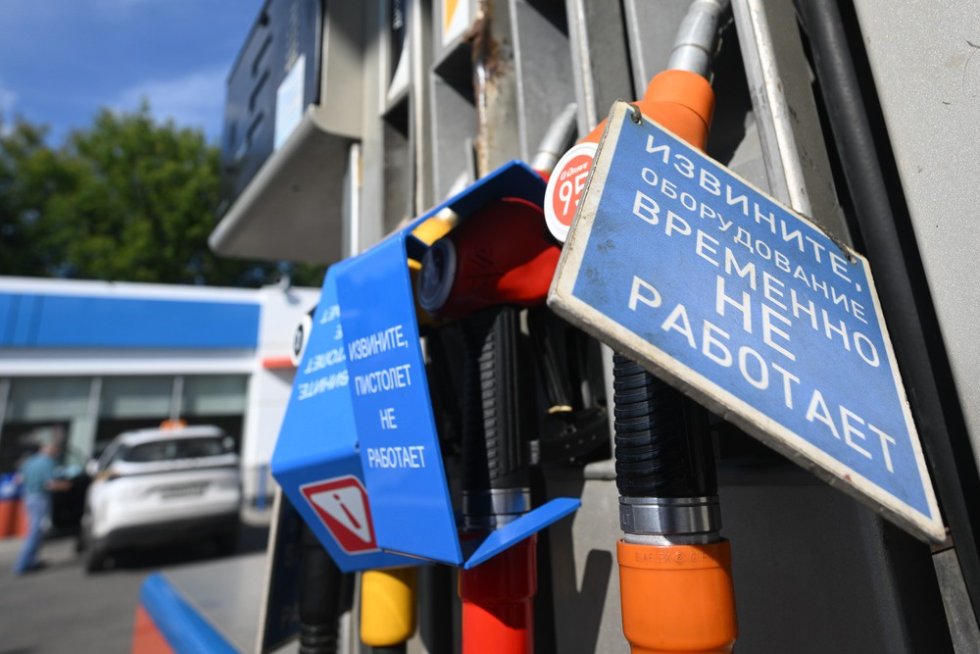
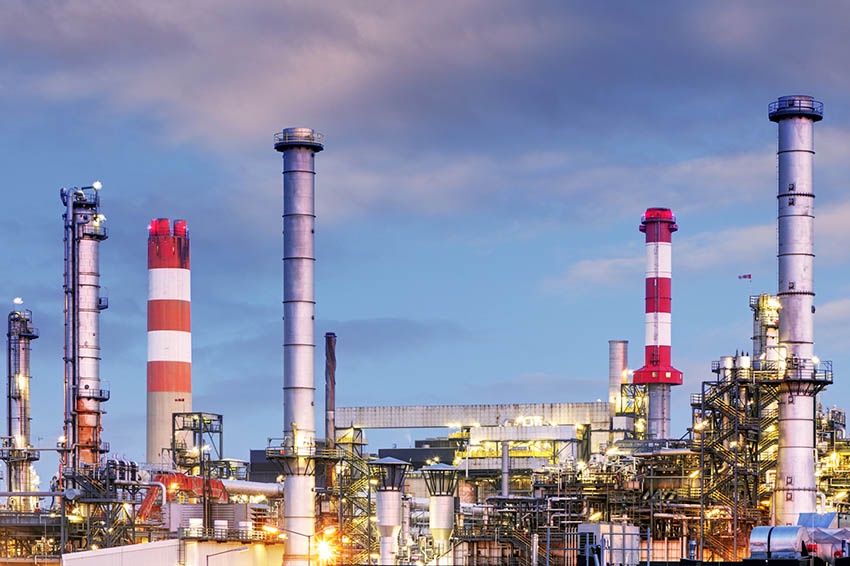
The price of aviation fuel on the St. Petersburg International Mercantile Exchange (Saint Petersburg Exchange) has reached a new historical high, exceeding 120,000 RUB per tonne. This is evidenced by data from the exchange platform. At the close of trading on 20 August, the price of aviation fuel was 121,864 RUB per tonne. The previous peak was recorded in early May at 90,401 RUB per tonne. Since the beginning of the year, aviation fuel prices have increased by 1.6 times.
The off-exchange price for aviation fuel is also rising, according to data from the Saint Petersburg Exchange. On 19 August (the latest available data), the price of aviation fuel was 110,401 RUB per tonne. Since the start of the week, the quotation has risen by 8%, and since the beginning of the year, it has increased by 1.5 times. The maximum level of price recorded in off-exchange trading was noted in early July at 117,337 RUB per tonne.
Aviation fuel prices in Russia began to rise in March of this year, paralleling wholesale prices for other types of petroleum products. The initial surge in fuel prices was driven by an increase in exports amidst the armed conflict in the Middle East and the resultant rise in global prices. In the subsequent months, a significant factor contributing to the price rise was the reduction in oil refining in Russia due to attacks on oil refineries.
The increase in prices for gasoline and diesel on the exchange paused at the end of July and the beginning of August following a series of measures. The government imposed a complete ban on the export of gasoline and diesel, while oil companies maximised the throughput of existing refineries, shortened the duration of ongoing repairs, postponed scheduled maintenance to a later date, and released previously accumulated fuel reserves onto the market. Additionally, the import of petroleum products was expanded and the production of fuels with lower environmental standards was increased. Moreover, to bolster the domestic market, the government reduced the sales norm for gasoline on the exchange from 15% to 10% from 1 July to 30 September 2026.
The principal regulatory measure in the aviation fuel market was the imposition of an export ban on aviation kerosene from 1 June until 30 November 2026. Exceptions were made for fuel in technological tanks used by aircraft en route, batches of aviation kerosene that were placed under customs procedure before the ban came into effect, as well as volumes supplied under intergovernmental agreements.
The current price increase is attributed to the limited availability of aviation fuel in the market due to planned and unplanned refinery maintenance and the logistical complexities of supply amid seasonal demand growth, says Dmitry Baranov, a leading expert at Finam Management. The number of Russian refineries producing aviation kerosene is fewer than those producing automotive gasoline and diesel fuel, notes Sergey Tereshkin, CEO of Open Oil Market. Due to the concentration of air traffic in the Moscow region, the temporary downtime of several refineries in Central Russia has a more significant impact on the aviation kerosene market than on the gasoline and diesel markets, the expert indicates. Additionally, the supply of aviation kerosene is difficult to expand through imports and lowering quality due to strict specifications, Baranov remarks.
The off-exchange price for aviation fuel is also rising, according to data from the Saint Petersburg Exchange. On 19 August (the latest available data), the price of aviation fuel was 110,401 RUB per tonne. Since the start of the week, the quotation has risen by 8%, and since the beginning of the year, it has increased by 1.5 times. The maximum level of price recorded in off-exchange trading was noted in early July at 117,337 RUB per tonne.
Aviation fuel prices in Russia began to rise in March of this year, paralleling wholesale prices for other types of petroleum products. The initial surge in fuel prices was driven by an increase in exports amidst the armed conflict in the Middle East and the resultant rise in global prices. In the subsequent months, a significant factor contributing to the price rise was the reduction in oil refining in Russia due to attacks on oil refineries.
The increase in prices for gasoline and diesel on the exchange paused at the end of July and the beginning of August following a series of measures. The government imposed a complete ban on the export of gasoline and diesel, while oil companies maximised the throughput of existing refineries, shortened the duration of ongoing repairs, postponed scheduled maintenance to a later date, and released previously accumulated fuel reserves onto the market. Additionally, the import of petroleum products was expanded and the production of fuels with lower environmental standards was increased. Moreover, to bolster the domestic market, the government reduced the sales norm for gasoline on the exchange from 15% to 10% from 1 July to 30 September 2026.
The principal regulatory measure in the aviation fuel market was the imposition of an export ban on aviation kerosene from 1 June until 30 November 2026. Exceptions were made for fuel in technological tanks used by aircraft en route, batches of aviation kerosene that were placed under customs procedure before the ban came into effect, as well as volumes supplied under intergovernmental agreements.
The current price increase is attributed to the limited availability of aviation fuel in the market due to planned and unplanned refinery maintenance and the logistical complexities of supply amid seasonal demand growth, says Dmitry Baranov, a leading expert at Finam Management. The number of Russian refineries producing aviation kerosene is fewer than those producing automotive gasoline and diesel fuel, notes Sergey Tereshkin, CEO of Open Oil Market. Due to the concentration of air traffic in the Moscow region, the temporary downtime of several refineries in Central Russia has a more significant impact on the aviation kerosene market than on the gasoline and diesel markets, the expert indicates. Additionally, the supply of aviation kerosene is difficult to expand through imports and lowering quality due to strict specifications, Baranov remarks.
Another reason for the price increase is the lack of transparency in statistics, says Dmitry Prokofyev, Director of External Communications at NEFT Research. The absence of data on aviation kerosene production creates an information vacuum that heightens market participants' anxiety, he believes.
The Ministry of Energy reported on 10 August that aviation kerosene production in August is expected to match the levels of August 2025 and be 4% above the levels of July 2026. The ministry noted that aviation kerosene stocks in the country at the beginning of August were at a "standard level", and the total volume of consumption would be met through production. However, the Ministry of Energy did not specify production and stock volumes for aviation fuel.
Prices for aviation kerosene may continue to rise until the completion of refinery maintenance, Prokofyev believes. Baranov suggests that a price reduction may be "closer to mid-autumn", once the high-demand period is over.
Experts argue that for a swift price stabilisation, the government needs to implement new regulatory measures. They consider the export ban on aviation kerosene a necessary yet insufficient measure given the decrease in oil refining. According to Prokofyev and Baranov, new measures could include adjustments to exchange rules and direct fuel supplies to end consumers. Dmitry Gusev, Deputy Chairman of the Supervisory Board of the Reliable Partner Association, suggests that the government may implement a series of regulatory measures as early as next week.
Tereshkin believes that importing aviation fuel into Russia could be an effective measure. However, this would require subsidies to increase payments to airlines under the damping mechanism, he clarifies.
The impact of fuel price increases on airline ticket costs will be limited, argues Oleg Pantelyev, Executive Director of Aviaport. He asserts that current prices are primarily determined by the balance of supply and demand. A few years ago, airlines could raise rates without significantly affecting sales volumes, but now they cannot pass additional costs onto passengers, the expert states. The damping mechanism will remain an important factor influencing the economics of airlines, Pantelyev adds.
Source: Vedomosti
The Ministry of Energy reported on 10 August that aviation kerosene production in August is expected to match the levels of August 2025 and be 4% above the levels of July 2026. The ministry noted that aviation kerosene stocks in the country at the beginning of August were at a "standard level", and the total volume of consumption would be met through production. However, the Ministry of Energy did not specify production and stock volumes for aviation fuel.
Prices for aviation kerosene may continue to rise until the completion of refinery maintenance, Prokofyev believes. Baranov suggests that a price reduction may be "closer to mid-autumn", once the high-demand period is over.
Experts argue that for a swift price stabilisation, the government needs to implement new regulatory measures. They consider the export ban on aviation kerosene a necessary yet insufficient measure given the decrease in oil refining. According to Prokofyev and Baranov, new measures could include adjustments to exchange rules and direct fuel supplies to end consumers. Dmitry Gusev, Deputy Chairman of the Supervisory Board of the Reliable Partner Association, suggests that the government may implement a series of regulatory measures as early as next week.
Tereshkin believes that importing aviation fuel into Russia could be an effective measure. However, this would require subsidies to increase payments to airlines under the damping mechanism, he clarifies.
The impact of fuel price increases on airline ticket costs will be limited, argues Oleg Pantelyev, Executive Director of Aviaport. He asserts that current prices are primarily determined by the balance of supply and demand. A few years ago, airlines could raise rates without significantly affecting sales volumes, but now they cannot pass additional costs onto passengers, the expert states. The damping mechanism will remain an important factor influencing the economics of airlines, Pantelyev adds.
Source: Vedomosti