Prior to this, the export ban on diesel fuel only applied to traders, while direct producers, namely oil refineries, were permitted to export. Earlier, in April of this year, a full ban on petrol exports was introduced. The temporary lag between these bans can be attributed to the fact that petrol production in Russia is only 10-15% above domestic demand, whereas diesel fuel is produced at a surplus of 40-45%. This is why petrol was the first to be placed under a complete ban.
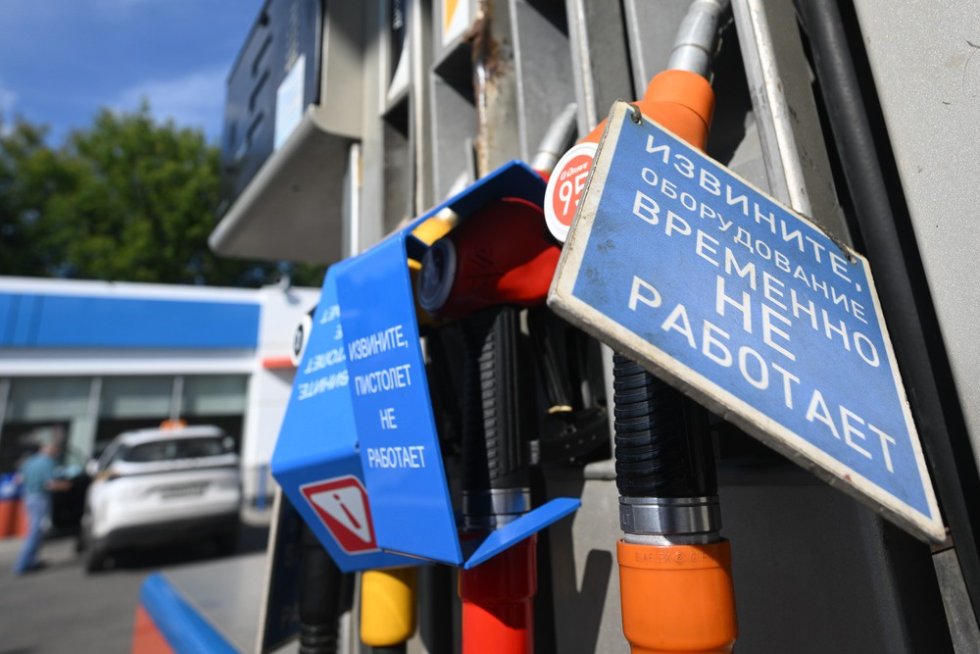
Fuel issues in Russia began against the backdrop of seasonal demand increases and oil refinery shutdowns due to unscheduled repairs following drone attacks. Initially, this led only to a rise in wholesale and retail prices, but now there is a real threat of fuel shortages.
As noted by Sergey Tereshkin, CEO of Open Oil Market, in an interview with "RG", the export ban seems aimed at saturating the diesel supply chain. There are sufficient operational capacities to satisfy domestic market demands, even considering the unexpected repairs at refineries. With the export ban now in place, producers will have no alternative but to supply fuel to Russian consumers, whether in wholesale or to filling stations.
The crux of the matter is that exporting diesel remains more profitable for producers in Russia than selling it on the domestic market. Given the reduced output due to refinery repairs, exports could begin to encroach upon internal market supplies.
According to Dmitry Gusev, Deputy Chairman of the Supervisory Board of the "Reliable Partner" Association and a member of the Expert Council for the "Petrol Stations of Russia" competition, it cannot be stated that there is a diesel deficit. However, considering the emerging problems and the internal demands of the nation in various sectors, preventive measures are now necessary to avoid such a deficit and mitigate potential issues.
The expert believes that, although there is government pressure to keep fuel prices in check, the primary objective is to ensure fuel accessibility for the population and businesses. In any case, the price will depend on market dynamics.
Tereshkin asserts that off-exchange prices will continue to significantly exceed exchange levels, though the increase in prices within the over-the-counter segment is likely to slow down.
Another nuance pertains to the technical aspects of petroleum product production. A tonne of crude oil cannot be converted solely into petrol or solely into diesel. Approximately 300 kg of diesel, 240 kg of petrol, and 410 kg of other petroleum products can be derived from it. If diesel production begins to decrease due to market saturation, the output of other petroleum products will also decline, which, in the worst-case scenario, could impact oil extraction rates. Notably, the export ban on diesel is considerably more sensitive for Russian refineries compared to the ban on petrol, as diesel remains one of the two key export petroleum products (alongside fuel oil) with high margins.
Tereshkin is confident that if the ban is limited to a two-month period, it will not have any significant impact on oil extraction dynamics, especially since reduced oil refining typically results in an increase in crude oil exports while simultaneously decreasing petroleum products.
In addition to the diesel export ban, Novak announced that starting from July, Russia will begin importing petroleum products. This is expected to help satisfy the domestic market, primarily for petrol. Since the prices of imported petrol are higher than domestic prices, the government has previously decided that importers will be eligible for a damper (compensation from the budget for part of the price difference between domestic fuel and its export price). This measure will help to prevent excessive increases in domestic petrol and diesel prices and also make such imports attractive for intermediaries. Previously, only Russian and Belarusian refineries could receive this damper. Now it also applies to imported petrol: for fuel from EAEU countries, a coefficient of 0.9 has been set from June 1, 2026, while a separate formula based on import parity will be introduced for supplies from other countries.
Earlier assessments indicated that the total volume of necessary fuel imports to Russia per month would hardly exceed 0.5-1 million tonnes, which should not significantly impact filling station prices.
Source: RG.RU